

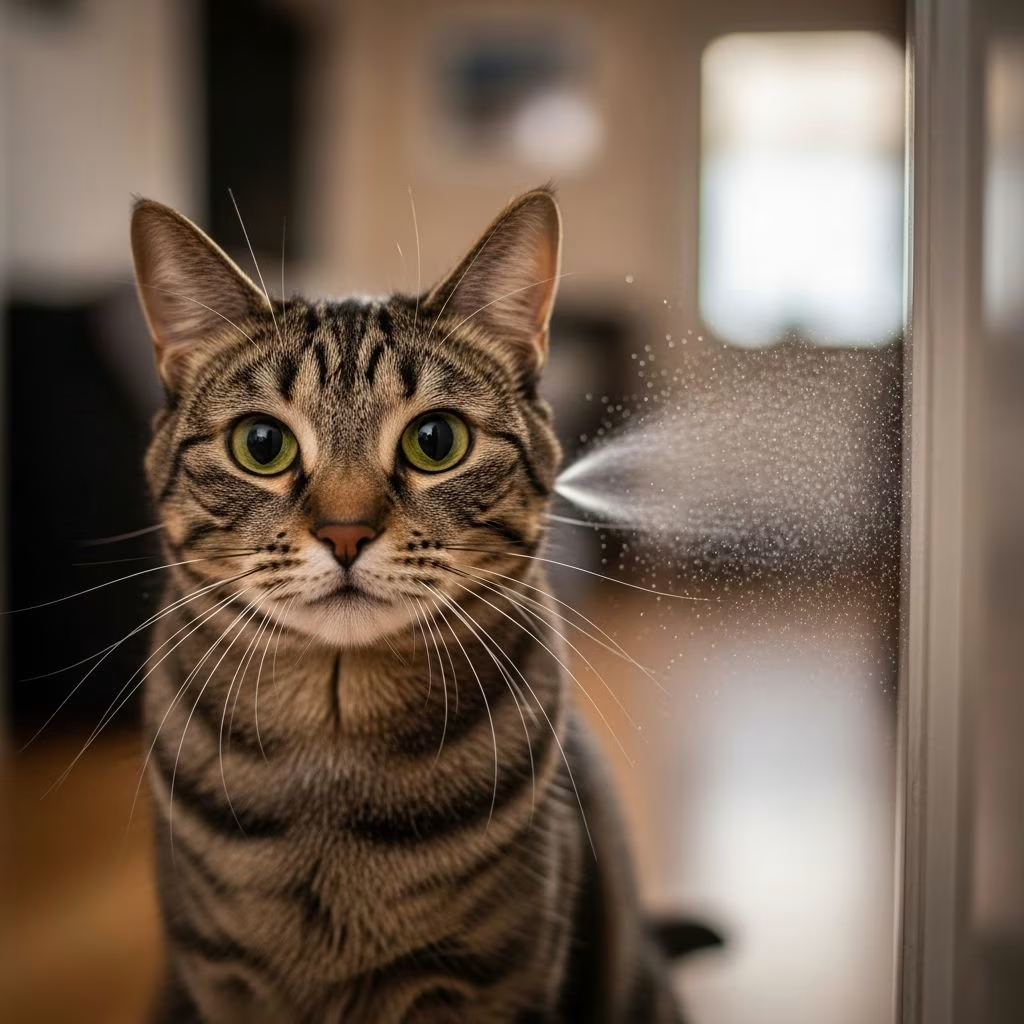
Cat spraying, also known as urine marking, is a natural feline behavior where cats deposit small amounts of urine to communicate territory, status, or reproductive availability. Unlike inappropriate elimination, spraying typically involves backing up to vertical surfaces with a quivering tail, and it affects both male and female cats, though intact males are most prone. Understanding this behavior is key to addressing it effectively without punishment, which can worsen stress.
What Is Cat Spraying?
Spraying is a form of communication in cats, distinct from regular urination. Cats spray by standing with their tail raised and quivering, projecting urine onto vertical objects like walls, furniture, or curtains. The amount is usually small—mere droplets—compared to puddles from litter box avoidance. This behavior signals to other cats (or even humans) about the sprayer’s presence, health, or mating readiness. Both sexes spray, but unneutered males do so most frequently due to testosterone-driven territorial instincts.
Indoor spraying often indicates underlying issues like anxiety or conflict, rather than spite. Recognizing spraying early prevents escalation, as repeated marking reinforces the habit through lingering scents.
Why Do Cats Spray?
Cats spray for several reasons rooted in instinct, environment, and health. Primary causes include territorial disputes, stress, hormonal influences, and medical conditions. Identifying the trigger is essential for resolution.
- Territorial Marking: Cats spray to claim space, especially in multi-cat homes or near outdoor felines visible through windows. This advertises boundaries to intruders.
- Stress and Anxiety: Changes like new pets, moves, or rearrangements unsettle cats, prompting spraying to restore familiarity.
- Hormonal Drives: Intact cats spray to attract mates or assert dominance; 90% of cases resolve post-neutering.
- Medical Problems: Urinary tract infections (UTIs), bladder stones, or diabetes can mimic spraying.
How to Tell If Your Cat Is Spraying or Urinating
Differentiating spraying from urination guides treatment. Use this table for quick identification:
| Feature | Spraying | Urination |
|---|---|---|
| Posture | Backed up to vertical surface, tail up/quivering | Squatting over horizontal surface |
| Amount | Small droplets | Large puddle |
| Odor/Sites | Strong, ammonia-like on walls/curtains | On floors/bed, may mix feces |
| Frequency | Infrequent, targeted spots | Frequent, random/large volumes |
Spraying targets landmarks; urination signals litter box issues. Observe patterns and consult a vet if unsure.
Medical Causes of Spraying in Cats
Rule out health issues first, as 20-30% of spraying stems from them. Common culprits:
- Urinary Tract Infections (UTIs): Cause straining, blood in urine, frequent attempts. Bacteria or crystals irritate the bladder, mimicking marking.
- Bladder Stones/Kidney Disease: Painful conditions increase urgency, leading to misdirected urine.
- Diabetes/Hyperthyroidism: Boost urine output and frequency.
- Hormonal Imbalances: In intact cats, steroids amplify marking.
Vets diagnose via urinalysis, bloodwork, or imaging. Treat with antibiotics, diet changes, or surgery. Untreated issues persist or worsen.
Unneutered vs. Neutered Cats: Spraying Differences
Intact males spray most (up to 90% reduction post-neutering), driven by testosterone. Intact females spray during heat. Neutered cats rarely spray unless stressed. Spay/neuter early (4-6 months) prevents habit formation. For adults, success rates are 75-90%, though some residual behavior lingers weeks post-surgery.
Stress-Related Spraying in Cats
Stress triggers 50% of spraying cases. Cats, solitary by nature, dislike changes:
- New household members/pets
- Outdoor cats prowling
- Routine disruptions (vacations, loud noises)
- Insufficient resources in multi-cat homes
Anxious cats spray to self-soothe via familiar scents.
Territorial Spraying Causes and Solutions
Territorial spraying arises from perceived threats:
- Neighborhood cats (block views with blinds)
- Multi-cat tension (add resources per cat +1)
- New adoptions without proper intros
Solutions: Vertical space (trees/shelves), pheromone diffusers, motion sprinklers outdoors.
How to Stop Cats from Spraying: Vet-Approved Tips
Comprehensive approach: Vet check, neuter if needed, clean thoroughly, modify environment.
- Veterinary Exam: First step always.
- Spay/Neuter: Halts 80-90% of cases.
- Clean Sites: Enzymatic cleaners remove pheromones; avoid ammonia.
- Pheromones: Feliway diffusers calm nerves.
- Litter Optimization: One box per cat +1, unscented, scooped daily.
- Enrich Environment: Play, perches, routines.
- Medicate if Needed: Anti-anxiety under vet guidance.
Cleaning Up Cat Spray: Best Practices
Thorough cleaning breaks the cycle:
- Use enzymatic cleaners (e.g., Nature’s Miracle).
- Avoid steam cleaners/ammonia (mimic urine).
- For fabrics: Biological detergent + surgical spirit spray, dry fully.
- Scatter food kibble on spots to deter returns.
Preventing Cat Spraying in Multi-Cat Homes
Resource competition fuels spraying:
- Separate feeding/litter stations.
- Slow intros: Scent swap, supervised meets.
- Extra hiding spots/escape routes.
- Monitor dynamics; isolate aggressors temporarily.
FAQs: Cat Spraying
Will neutering stop my cat from spraying?
Yes, in 75-90% of cases, especially if done young. Hormones drop quickly, reducing urges.
Is cat spraying a sign of illness?
Often, yes—UTIs or stones common. Vet urinalysis rules it out.
How do I clean sprayed areas?
Enzymatic cleaners only; test fabrics first. Place food to discourage repeats.
Why is my female cat spraying?
Stress, heat (if intact), or territory. Spay helps.
Can pheromone products stop spraying?
They reduce stress-related cases effectively, often with behavior mods.
When to See a Vet for Cat Spraying
Seek help if: New behavior, blood/straining, multiple sites, or persists post-cleaning/neutering. Vets assess medically/behaviorally, prescribing meds if needed.
Patience yields results—most cats stop with combined interventions. Focus on root causes for a harmonious home.
References
- Cat Behavior Problems – Marking and Spraying Behavior — VCA Animal Hospitals. 2023. https://vcahospitals.com/know-your-pet/cat-behavior-problems-marking-and-spraying-behavior
- Urine Marking in Cats — ASPCA. 2024. https://www.aspca.org/pet-care/cat-care/common-cat-behavior-issues/urine-marking-cats
- Diagnosis and Management of Feline Urine Marking — Today’s Veterinary Practice. 2022. https://todaysveterinarypractice.com/behavior/on-your-best-behavior-diagnosis-management-of-feline-urine-marking/
- Stop your Cat Spraying or Soiling in the House — Blue Cross UK. 2024. https://www.bluecross.org.uk/advice/cat/behaviour-and-training/stop-your-cat-spraying-and-soiling-in-the-house
- How to Stop a Cat From Spraying Indoors — Loveland Regional Animal Hospital. 2023. https://lovelandregional.com/blog/how-to-stop-a-cat-from-spraying-indoors/
- Study Gives Clues to Causes of Spraying — Fear Free Happy Homes. 2023. https://www.fearfreehappyhomes.com/study-gives-clues-to-causes-of-spraying/



