

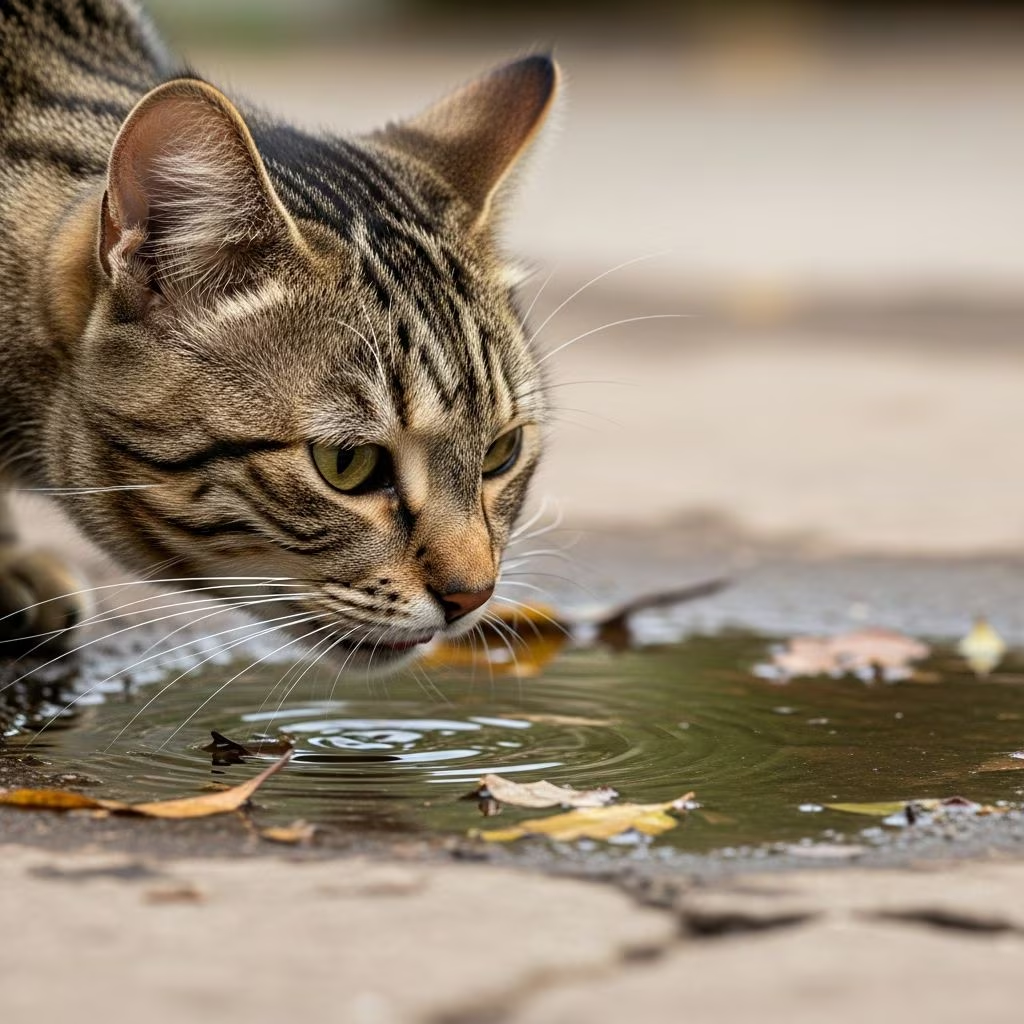
Cats often bypass perfectly clean water bowls in favor of questionable sources like toilet bowls, rain puddles, sink drips, or even potted plant saucers. This baffling behavior stems from deep-seated instincts, sensory preferences, and environmental cues shaped by their wild ancestry.
While it may seem gross to us, cats perceive these ‘dirty’ waters differently. In the wild, felines avoided stagnant sources near kills to prevent contamination, leading domestic cats to reject bowls near food or those that feel unsafe. Understanding these drivers helps owners provide appealing hydration options, promoting better health and preventing risks like bacterial exposure.
Instinctual Reasons Cats Prefer Dirty Water
Cats’ water habits trace back to their predatory origins. Wild cats separate drinking spots from hunting grounds because decaying prey contaminates nearby water, risking illness. Domestic cats retain this aversion: if a bowl sits near kibble or litter, they instinctively shun it, opting for ‘safer’ alternatives like a distant puddle or toilet.
- Separation from Food: Cats refuse bowls close to meals, associating proximity with contamination risks from rot.
- Moving Water Instinct: Flowing sources like taps or refilling toilets mimic streams, seen as fresher and less parasite-prone than still bowls.
- Exploration Drive: Curiosity leads cats to novel sources; a plain bowl feels too ‘easy,’ triggering wariness.
This hardwired caution persists despite home comforts, explaining why even pampered pets sip from sinks.
Bowl and Placement Issues
The water bowl itself can be the culprit. Cats suffer ‘whisker fatigue’ from deep, narrow designs pressing sensitive whiskers, making drinking uncomfortable. Plastic bowls leach odors or retain bacteria, altering taste via cats’ acute senses.
| Bowl Problem | Why Cats Hate It | Solution |
|---|---|---|
| Plastic Material | Absorbs smells, scratches harbor germs | Switch to stainless steel or ceramic |
| Deep/Narrow Shape | Whisker fatigue causes discomfort | Use wide, shallow bowls |
| Near Food/Litter | Instinctual contamination fear | Place 10+ feet away, quiet spot |
| Shady/Dull Location | Hard to see surface (poor close vision) | Bright, reflective area |
Placement matters too: cats crave quiet, traffic-free zones away from eating areas. A bowl in a high-traffic kitchen? They’ll head for the bathroom instead.
Water Quality and Freshness Factors
What we deem fresh often isn’t to cats. Stagnant bowl water grows microbes quickly, tasting off after hours. Toilet water, constantly refreshed, seems superior—plus, it’s oxygenated and cooler.
Cats detect subtle flavors: chlorine in tap water repels some, while others prefer filtered. Filtered or bottled trials help pinpoint tastes.
- Stagnancy: Bowl water sours fast; moving sources stay appealing.
- Temperature: Cooler water from depths (toilets, puddles) attracts.
- Chemicals: Sensitive noses reject treated tap; try spring water.
Multiple Water Sources and Preferences
One bowl rarely suffices. Cats thrive with options, mirroring wild scavenging for dispersed sources. Provide stations around home: one by bed, another in living room.
Fountains excel, simulating streams with circulation—many cats drink triple from them. Cats also favor visible, sparkling water that ‘dances’ under light.
Health Risks of Dirty Water Drinking
Though instinctive, dirty sources endanger health. Toilets harbor E. coli, Salmonella; cleaners add toxins. Puddles risk antifreeze or parasites—cats can’t taste dangers like ethylene glycol.
- Bacteria/Parasites: GI upset, infections.
- Chemicals: Kidney damage from cleaners/antifreeze.
- Debris: Choking or blockages.
Excessive thirst signals issues like diabetes or kidney disease—vet check if persistent.
How to Get Your Cat to Drink from the Bowl
Redirect safely with tweaks:
- Upgrade Gear: Ceramic/steel, wide bowls; fountains for flow.
- Relocate: Quiet, elevated, sunny spots away from food.
- Refresh Often: Change 1-2x daily; add ice for coolness.
- Multiple Stations: 2-3 sources per cat.
- Water Variety: Test filtered, bottled; wet food boosts intake.
Track intake: adults need 3-4oz daily per 5lbs body weight. Flavorless tuna water kickstarts.
Frequently Asked Questions (FAQs)
Why does my cat prefer toilet water over her bowl?
Toilet water is moving, cool, oxygenated—mimicking wild streams. Bowls stagnate quickly.
Is it safe for cats to drink puddle water?
No—puddles hold antifreeze, bacteria, parasites. Lethal risks abound.
How can I stop my cat from drinking sink water?
Provide a fountain; place appealing bowls nearby. Running taps attract due to motion/light.
Does bowl material affect cat drinking?
Yes, plastic imparts off-tastes; use glass, ceramic, or steel.
What if my cat suddenly drinks more dirty water?
May indicate thirst issues like diabetes/hyperthyroidism. Consult vet.
Conclusion
Cats’ dirty water dalliances blend survival instincts with picky senses. By optimizing bowls, locations, and freshness, owners ensure hydration without hazards. Experiment patiently—your cat will thank you with healthier sips.
References
- Why Do Cats Drink Dirty And Stagnant Water? — Senior Cat Wellness via YouTube. 2023. https://www.youtube.com/watch?v=xlwsvIBk-6k
- Why are cats fussy about water? — The Cat Behavior Clinic. 2023. https://www.thecatbehaviorclinic.com/why-are-cats-fussy-about-water/
- Why does my cat always drink from the sink/toilet/tap/puddle? — Sure Pet Care. 2024. https://www.surepetcare.com/en-us/advice-news/cat-care/cat-hydration/why-does-my-cat-always-drink-from-the-sink-toilet-tap-or-puddle
- Cat Drinking Toilet Water: Understanding the Behavior — UAH Pet. 2024. https://www.uahpet.com/blogs/post/cat-drinking-toilet-water-understanding-the-behavior-and-how-to-stop-it
- Why Does He Do That? Water Bowl Behavior Explained — Every Animal Matters. 2023. https://everyanimalmatters.org/why-does-he-do-that-water-bowl-behavior-explained/



