

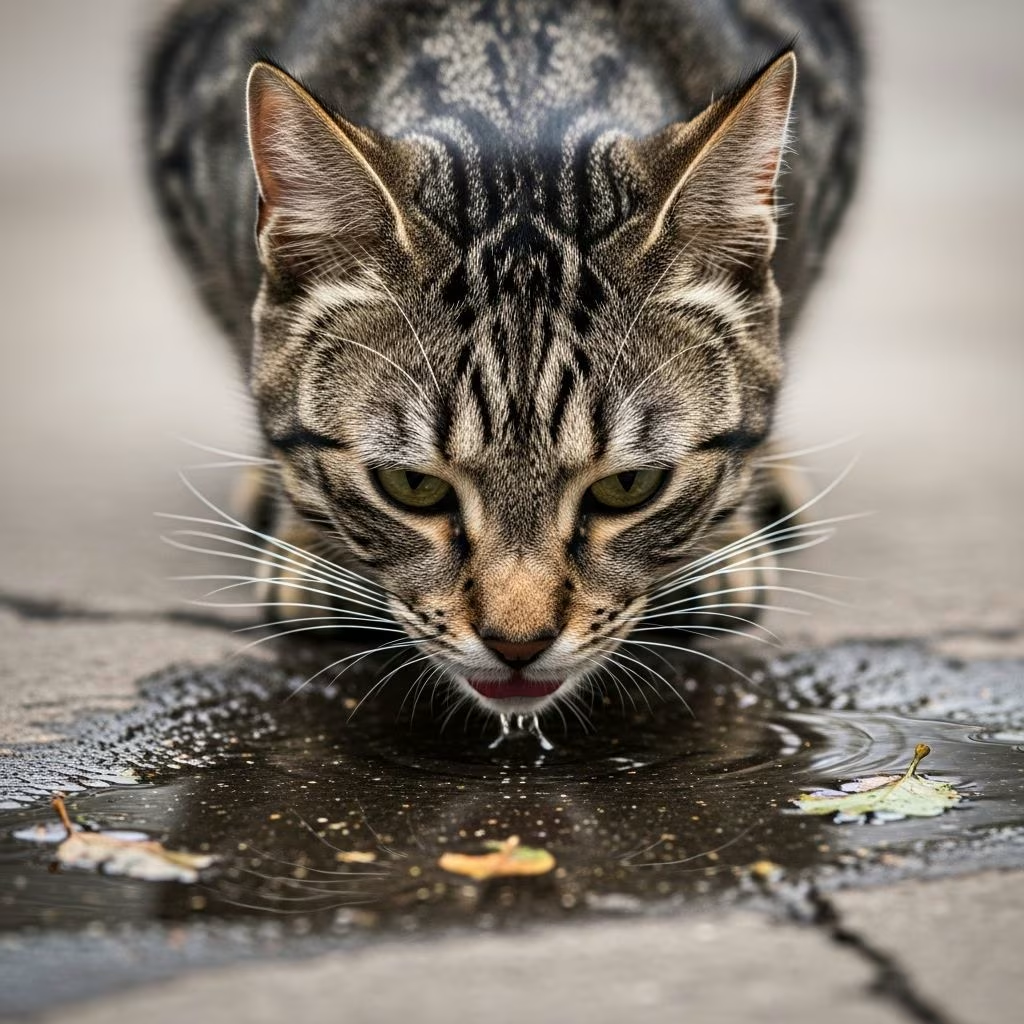
Cats are notorious for their finicky habits, and one puzzling behavior many owners observe is their cat lapping up dirty water from puddles, toilets, or sinks while ignoring a fresh bowl at home. This isn’t mere rebellion—it’s rooted in evolutionary instincts and practical preferences. In the wild, cats’ ancestors sought out multiple water sources to avoid contamination near kills or predator hotspots. Today, domestic cats may shun their bowls due to design flaws, placement, or staleness, opting for “dirty” alternatives that seem fresher or safer to their senses.
Understanding these behaviors is crucial, as dirty water poses real health risks like parasites and bacteria. This article explores the four primary reasons cats drink dirty water, potential illnesses they can contract, their love for running water, and actionable tips to redirect them to clean sources. By addressing these factors, you can ensure your feline stays hydrated safely.
Why Do Cats Drink Dirty Water? The 4 Possible Reasons
Your cat’s preference for murky puddles or toilet water over a pristine bowl stems from innate survival mechanisms refined over millennia. Cats have highly sensitive noses—14 times more powerful than humans’—detecting subtle off-flavors or scents we miss. Here are the four vet-verified reasons:
1. The Size and Shape of Their Water Bowl
Cats evolved as hunters with short muzzles and whiskers that act as sensors. Deep, narrow bowls force their whiskers to brush the sides, creating an uncomfortable “whisker fatigue” sensation that discourages drinking. Wide, shallow bowls mimic natural sources like streams, allowing cats to lap without discomfort.
- Plastic bowls can harbor bacteria in micro-cracks, imparting a foul odor cats detect instantly.
- Ceramic or stainless steel are preferable, as they don’t retain smells and are easier to clean.
- Bowls with reflective surfaces help cats see the water clearly, as their vision struggles with still surfaces in dim light.
Switch to a wide glass or metal dish, and watch your cat’s interest pique. Studies on feline hydration note that improper bowl design leads to reduced intake, increasing dehydration risks.
2. The Bowl May Be Too Close to Their Food
In the wild, cats separate eating and drinking to avoid contamination from decaying prey. Placing water next to food bowls triggers this instinct, making the water unappealing. Domesticated cats retain this aversion, often walking past their bowl to a distant puddle.
- Separate bowls by at least 10 feet, ideally in different rooms.
- Elevated stands can further mimic natural separation and reduce whisker stress.
- Multi-cat homes amplify this; ensure no food scent wafts over water stations.
This simple relocation can double water consumption, as observed in veterinary behavior studies.
3. Water Has Been Sitting in the Bowl for Too Long
Stagnant water quickly accumulates dust, absorbs airborne odors, and loses oxygenation, tasting flat to a cat’s discerning palate. Within hours, it can develop a filmy surface or bacterial buildup invisible to us but repulsive to them.
- Refresh water twice daily, or use fountains for constant circulation.
- Coliform bacteria from paws or litter can contaminate bowls, especially in longhaired cats whose fur traps feces.
- Filtered or bottled water eliminates chlorine tastes many cats dislike.
Cats’ preference for novelty explains why toilet water—frequently flushed and cooler—seems fresher than day-old bowl water.
4. Cats Like Multiple Drinking Sources
Wild cats scout various watering holes to evade predators or rivals. A single bowl feels risky, especially if guarded by another pet or in a high-traffic area. Providing options restores their sense of security and variety.
- Place 3-5 bowls around the house: kitchen, bedroom, living room.
- Quiet, low-traffic spots prevent stress-induced avoidance.
- Outdoor access cats naturally seek puddles; indoor multiples curb this.
This strategy boosts overall hydration, vital for kidney health in cats prone to urinary issues.
Can Cats Get Sick from Drinking Dirty Water?
Yes, dirty water is a vector for serious pathogens. While occasional sips from a puddle might not harm a robust outdoor cat, regular indulgence risks illness. Indoor cats, less exposed to germs, are ironically more vulnerable due to naive immunity.
| Risk Factor | Diseases | Symptoms | Transmission |
|---|---|---|---|
| Parasites | Roundworms, Giardia, Tritrichomonas | Diarrhea, vomiting, weight loss | Stagnant warm water |
| Bacteria | Leptospirosis (Leptospira sp.) | Fever, jaundice, kidney failure; zoonotic | Muddy marshes, rodent prey |
| Chemicals | Bleach, antifreeze | Gastro upset, toxicity | Toilets, puddles |
1. Worms and Protozoa
Stagnant puddles breed parasites like Giardia, thriving in warm climates. Cats ingest cysts while drinking, leading to chronic diarrhea. Longhaired breeds are at higher risk due to fur contaminating bowls.
2. Leptospirosis
This spirochete bacteria survives months in muddy water, especially near farms or woods. No feline vaccine exists, and it’s transmissible to humans. Cats often contract it via infected rodents.
3. Toilets
Seemingly clean, toilets harbor E. coli and chemicals like bleach. Even unflushed water can cause vomiting or poisoning.
Monitor for symptoms like lethargy or loose stools; consult a vet promptly. Regular deworming and vaccines mitigate some risks.
Cats Enjoy Running Water
Many cats obsess over faucets, showers, or fountains, ignoring still bowls. This stems from distrust of stagnant sources—running water signals purity, oxygenation, and safety. Flowing water also reflects light, aiding poor close-up vision, and avoids the vulnerability of bowl-drinking with one’s back exposed.
- More oxygen means better taste and hydration benefits.
- Fountains encourage 20-50% more drinking per veterinary reports.
- Instinct links motion to freshness, bypassing contamination fears.
Invest in a pet fountain; the gentle trickle satisfies instincts while filtering debris.
Frequently Asked Questions (FAQs)
Why does my cat prefer the toilet over her water bowl?
Toilet water is often cooler, freshly flushed, and running—mimicking preferred natural sources. It lacks food smells and stagnation.
Is puddle water safe for outdoor cats?
No, puddles harbor parasites, bacteria, and toxins like antifreeze. Limit access and provide appealing indoor options.
How can I get my cat to drink more from her bowl?
Use wide ceramic bowls, separate from food, refresh often, add fountains, and offer multiples in quiet spots.
Can dirty water cause kidney problems in cats?
Indirectly yes—dehydration from avoidance plus infections strain kidneys. Chronic cases lead to urinary crystals.
What if my cat suddenly starts drinking dirty water?
Rule out medical issues like dental pain or GI upset causing taste aversion. Vet check recommended.
Conclusion
Cats drinking dirty water reflects smart instincts clashing with domestic setups. By optimizing bowl type, location, freshness, and variety—plus fountains—you’ll steer them to safe hydration. This prevents health scares from leptospirosis to parasites. Daily cleanings and monitoring ensure your cat thrives. Fresh water isn’t just a bowl; it’s a trust-building ritual honoring their wild heritage.
References
- Why Do Cats Sometimes Drink Dirty Water? Vet-Verified Reasons — Catster. 2023. https://www.catster.com/cat-behavior/why-do-cats-sometimes-drink-dirty-water/
- Prevalence of coliform bacterial contamination in cat drinking water — PMC (NCBI). 2021-04-26. https://pmc.ncbi.nlm.nih.gov/articles/PMC8076466/
- Why does my cat always drink from the sink/toilet/tap/puddle? — Sure Petcare. 2023. https://www.surepetcare.com/en-us/advice-news/cat-care/cat-hydration/why-does-my-cat-always-drink-from-the-sink-toilet-tap-or-puddle
- Why Do Cats Drink Dirty And Stagnant Water? — YouTube (Senior Cat Wellness). 2023. https://www.youtube.com/watch?v=xlwsvIBk-6k
- My cat won’t drink water! What should I do? — Olympia Pet Emergency. 2024-08-15. https://www.olympiapetemergency.net/site/blog/2024/08/15/cat-wont-drink-water



