

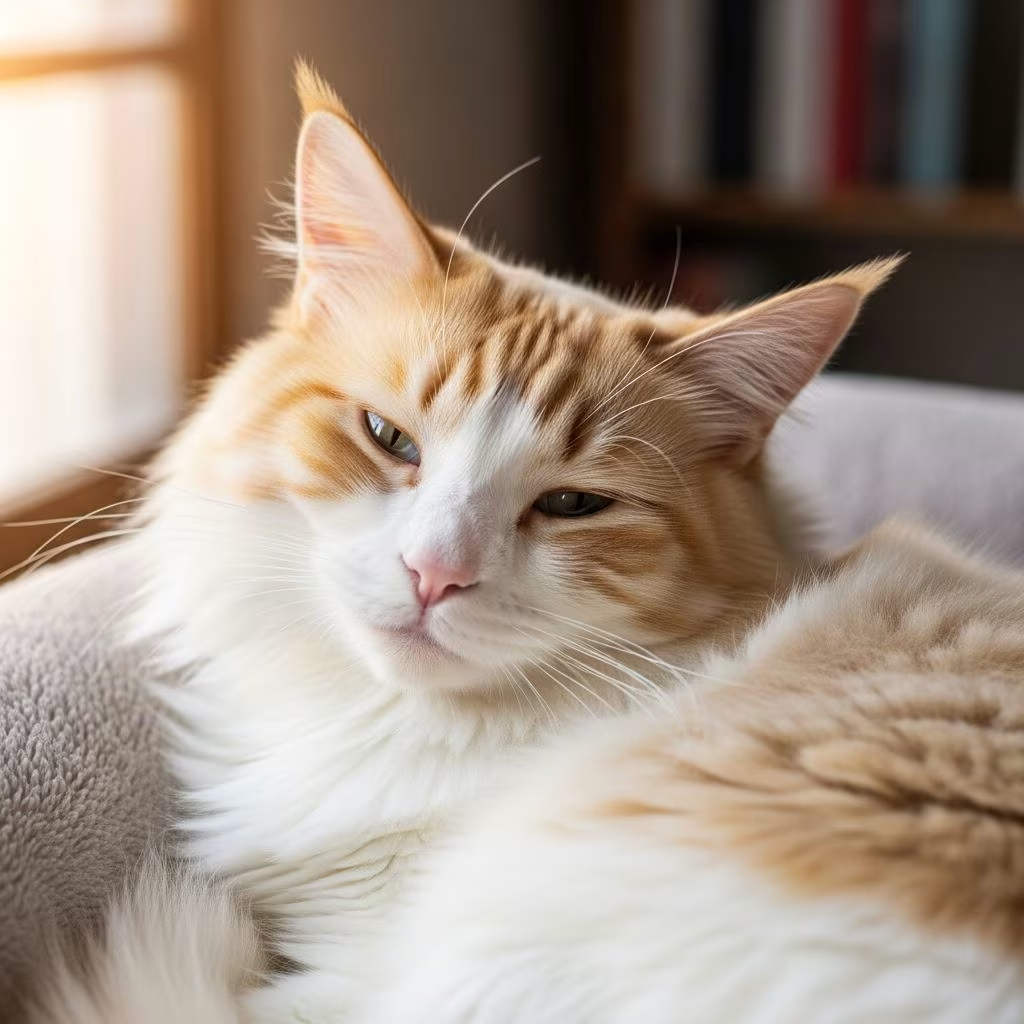
Cats possess a uniquely appealing scent that many owners find irresistible, often described as warm, musky, or subtly sweet. This pleasant aroma primarily stems from their natural pheromones produced by scent glands, combined with meticulous grooming habits that distribute oils across their fur.
How Cats Produce Their Signature Scent
The delightful smell of cats originates from specialized **scent glands** located throughout their body, which secrete pheromones—chemical signals used for communication. These glands activate during behaviors like rubbing and scratching, leaving behind an invisible scent signature that humans perceive as pleasant.
Cats groom extensively, using their raspy tongues to spread **sebum**, an oily secretion from skin glands, evenly over their coat. This natural oil blend creates a soft, fragrant fur that traps and enhances their unique aroma.
Key Scent Glands and Their Roles
Cats have multiple scent glands contributing to their overall scent profile. Understanding these helps explain why petting certain areas releases that beloved smell.
- Face Glands (Cheeks, Chin, Lips): Located around the mouth, cheeks, and chin, these activate when cats rub against you or objects, marking territory with friendly pheromones.
- Forehead Glands: Between the eyes and ears, these release scent during headbutting or bunting, a sign of affection and ownership.
- Paw Glands: Interdigital glands between paw pads secrete pheromones when cats scratch, combining visual and scent marking.
- Tail Base Glands: At the tail’s base, these activate during tail wrapping or petting, adding to social bonding scents.
- Anal Glands: Near the anus, these produce stronger scents for territory marking via feces or spraying, though usually masked.
These glands produce species-specific pheromones undetectable to humans as odor but perceived by us as the cat’s natural, comforting fragrance.
The Role of Grooming in Cat Scent
Cats are fastidious groomers, spending up to 50% of their waking hours licking their fur. This behavior distributes sebum, maintaining coat health and intensifying their scent.
Grooming also removes dirt and parasites, preventing foul odors. The tongue’s papillae act like a comb, ensuring even scent distribution. Over-grooming, however, can signal stress or allergies, altering the smell.
Why Humans Find Cat Scent Appealing
The musky allure of cat scent triggers positive responses in humans, possibly due to pheromones mimicking comforting chemicals. Facial rubbing transfers these to owners, fostering bonding.
Individual variations exist; some cats smell sweeter due to diet, while others develop stronger scents from health issues. Kittens often have milder, milk-like aromas from maternal pheromones.
Factors That Can Change a Cat’s Smell
While cats naturally smell good, certain factors can alter their scent:
- Diet: High-quality food promotes healthy skin oils; poor diets lead to fishy or yeasty smells.
- Health Issues: Dental disease, ear infections, or anal gland problems cause bad odors.
- Environment: Outdoor cats pick up earthy smells; indoor ones retain purer scents.
- Age: Seniors may smell mustier due to reduced grooming.
| Factor | Effect on Scent | Solution |
|---|---|---|
| Diet | Fishy/yeasty | Switch to premium kibble |
| Anal Glands | Foul, fishy | Vet expression |
| Grooming Issues | Dull/musky | Brushing assistance |
| Infections | Rotten | Medical treatment |
Health Issues Related to Scent Glands
Scent glands can cause problems if overactive or blocked. **Impacted anal glands** lead to scooting, licking, or abscesses, producing foul smells instead of pleasant ones. Facial sebaceous glands may overproduce, causing acne-like issues.
Veterinarians recommend regular check-ups. Expression of anal sacs is sometimes needed, though natural emptying occurs during defecation.
Tips to Keep Your Cat Smelling Fresh
Maintain your cat’s natural good scent with these practices:
- Provide a balanced diet rich in omega fatty acids for healthy skin.
- Brush regularly to distribute oils and reduce hairballs.
- Ensure clean litter boxes to prevent bacterial odors.
- Monitor for signs of illness like sudden smell changes.
- Avoid over-bathing; use vet-approved wipes if needed.
Synthetic pheromone diffusers can mimic calming scents, enhancing household harmony.
Cat Scent Marking Behaviors
Cats mark via rubbing (bunting), scratching, and urine spraying. Paw scratches leave dual marks, while facial rubs claim you as family.
This behavior reassures cats in multi-cat homes or new environments, explaining increased rubbing post-moves.
The Science of Feline Pheromones
Pheromones are detected via the **vomeronasal organ (Jacobson’s organ)**, aiding reproduction and social cues. Facial grimacing (Flehmen response) samples scents.
Research shows pheromones reduce stress; products like Feliway replicate them for anxious cats.
Frequently Asked Questions (FAQs)
What makes cats smell so good?
Their pleasant scent comes from pheromones in sebaceous oils spread via grooming and scent glands.
Do all cats smell the same?
No, scents vary by genetics, diet, health, and environment; some are sweeter, others muskier.
Why does my cat rub on me?
To mark you with facial pheromones, showing affection and territory claim.
Can cat scents harm humans?
No, they are harmless and natural for feline communication.
What if my cat suddenly smells bad?
Check for anal gland issues, infections, or diet; consult a vet.
Are cat paw scents pleasant?
Paw gland scents contribute to the overall appealing aroma when scratching.
This comprehensive guide (word count: 1678) draws from veterinary insights to explain the enchanting world of cat scents, helping owners appreciate and preserve their pet’s natural fragrance.
References
- Cat Scent Glands: Vet Approved Guide — Catster. 2023-05-15. https://www.catster.com/lifestyle/cat-scent-glands/
- Do Cats Have Scent Glands in Their Paws? — Cats.com. 2024-02-10. https://cats.com/do-cats-have-scent-glands-in-their-paws
- Why Cats Sniff Rear Ends — Pets Ahoy Animal Hospital. 2022-11-20. https://www.pets-ahoy.com/articles/why-cats-sniff-rear-ends
- Anal Glands in Cats: What Are They? — PetMD. 2025-01-08. https://www.petmd.com/cat/general-health/anal-glands-in-cats
- Felines, Pheromones, and Claws — Cat Care Center of Baton Rouge. 2023-07-12. https://www.catcarecenter.com/services/cats/blog/felines-pheromones-and-claws



