

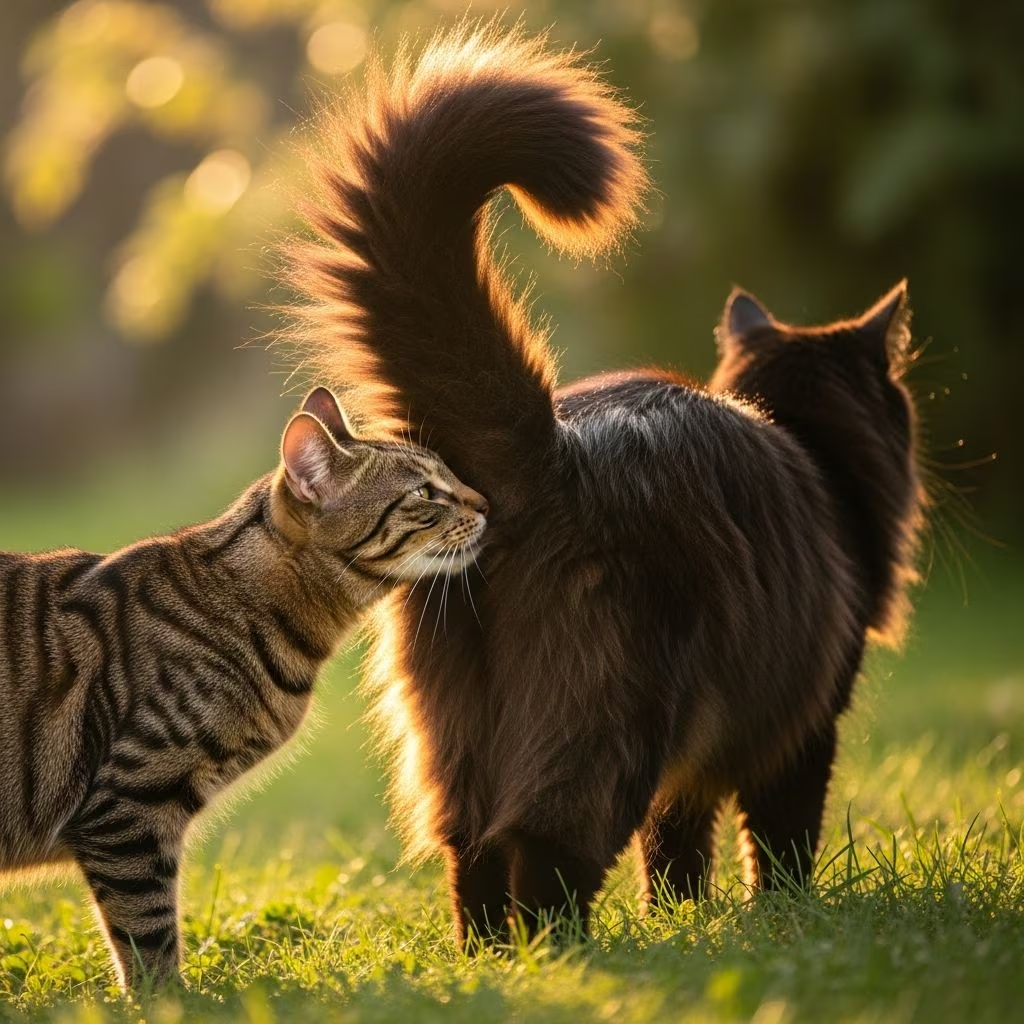
Cats sniff each other’s butts as a primary form of communication, detecting unique pheromones from anal glands that convey identity, health, mood, and reproductive status. This behavior, rooted in their evolutionary instincts, helps cats gather vital social and environmental information without visual or verbal cues.
The Science Behind Butt-Sniffing: Pheromones Explained
Feline communication heavily relies on scent due to specialized glands producing pheromones—chemical signals that carry personal details like age, sex, and emotional state. Anal glands, located near the anus, secrete these pheromones, which cats investigate by sniffing to ‘read’ another cat’s profile. This mirrors how dogs use scent but is more nuanced in cats, who deposit scents via multiple glands including cheeks, paws, and tail base.
Pheromones serve as identification stamps. As cats move, foot glands leave traces along paths, while cheek rubbing (bunting) and head-butting mark familiar objects or people as ‘safe.’ Urine spraying adds territorial warnings, often triggered by stress or intruders, with less volume and a pungent odor from added chemicals.
Anal Glands: The Source of Cat Butt Scent
Anal sacs flank the anus, expressing fluid during defecation or stress. These sacs contain bacteria-specific odors revealing diet, health, and individuality. A healthy cat’s scent is mild; issues like impaction cause strong, foul smells prompting excessive sniffing.
- Gland locations: Two sacs at 4 and 8 o’clock positions around the anus.
- Normal expression: Occurs naturally with stool; manual expression rarely needed unless blocked.
- Health red flags: Scooting, licking anus excessively, or blood indicate veterinary attention required.
Dominant cats mark more via rubbing; subordinates sniff cautiously. In multi-cat homes, this sniffing reinforces hierarchy and group scents.
Why Cats Sniff Butts: Top Reasons
Butt-sniffing deciphers complex messages beyond casual greeting:
- Identification: Like a feline fingerprint, scents confirm familiarity or stranger status.
- Health Check: Abnormal odors signal illness, prompting isolation or care.
- Mood Detection: Stress pheromones warn of tension; contentment shared via bunting.
- Sexual Cues: Unneutered cats detect heat cycles, leading to mating behaviors.
- Territorial Mapping: Reinforces boundaries, especially with outdoor cats visible indoors.
This ritual peaks during greetings after absences, reintegrating scents changed by vet visits or new smells.
Is Butt-Sniffing Normal or a Concern?
Occasional sniffing is standard, fostering bonds in social cats. Excessive obsession may signal:
| Behavior | Possible Cause | Action |
|---|---|---|
| Intense, prolonged sniffing | Anal gland issues, parasites, allergies | Vet exam, fecal test |
| Aggression post-sniff | Territorial dispute | Slow introductions, pheromone diffusers |
| Sudden increase | Stress from changes (new pet, move) | Enrich environment, consult behaviorist |
Neutering reduces marking and sexual sniffing by 90% in males. Monitor for scooting or diarrhea, as these precede gland problems.
Cats Sniffing Humans: What’s That About?
Your cat may sniff or rub your lower areas to mark you with their scent, claiming you as family. It’s affectionate, mixing their pheromones with yours for security. Discourage by redirecting to toys; never punish, as it heightens anxiety.
Multi-Cat Homes: Managing Scent Wars
Conflicts arise from overlapping territories. Strategies include:
- Separate resources: One litter box per cat +1, food stations.
- Feliway diffusers mimic calming pheromones.
- Scent swapping: Rub cloths between cats for familiarity.
- Vertical space: Shelves reduce ground tension.
- Play therapy: Builds positive associations.
Spraying often stems from anxiety, not spite—address triggers like window views of strays.
Health Issues Linked to Scent Changes
Altered butt scents prompt sniffing:
- Impacted Glands: Swelling causes pain; vet expresses and flushes.
- Diabetes/Kidney Disease: Sweet or ammonia urine odors.
- Parasites: Worms irritate, changing gland flora.
- IBD: Inflammation alters digestion, scents.
Annual checkups catch issues early; diet impacts gland health—high-fiber foods aid expression.
Tips to Reduce Excessive Sniffing and Marking
Proactive steps:
- Clean marks with enzymatic cleaners to erase scents.
- Provide scratching posts with catnip for paw marking.
- Enrich: Puzzle feeders combat boredom-induced spraying.
- Spay/neuter promptly.
- Consult vet for sudden behaviors ruling out medical causes.
Positive reinforcement trumps punishment; cats mark from fear, not rebellion.
Frequently Asked Questions (FAQs)
Why do cats smell each other’s butts so much?
It’s their way of exchanging personal info via anal pheromones, assessing health, mood, and status quickly.
Is it bad if my cats sniff butts obsessively?
Not always, but check for health issues if accompanied by licking or aggression; vet visit recommended.
Why does my cat sniff my butt?
They’re scent-marking you as theirs, a sign of affection and ownership.
How can I stop my cat from spraying after sniffing?
Reduce stress with resources, neuter, and Feliway; identify triggers like new pets.
Do all cats have smelly anal glands?
Healthy ones have mild scents; strong odors signal problems needing professional care.
Conclusion: Embracing Feline Scent Language
Understanding butt-sniffing demystifies cat quirks, strengthening bonds. Respect their olfactory world for happier homes.
References
- Cat Behavior Problems – Marking and Spraying Behavior — VCA Animal Hospitals. 2023. https://vcahospitals.com/know-your-pet/cat-behavior-problems-marking-and-spraying-behavior
- Scent Marking and What It Means — Catwatch Newsletter. 2022. https://www.catwatchnewsletter.com/behavior/scent-marking-and-what-it-means/
- Feline Scent-Marking: Cat Communication — Tufts University Cummings School of Veterinary Medicine. 2024. https://www.tvmf.org/articles/feline-scent-marking-cat-communication/
- Urine Marking in Cats — ASPCA. 2023. https://www.aspca.org/pet-care/cat-care/common-cat-behavior-issues/urine-marking-cats
- How Do Cats Mark Their Territory? — Woodgreen Pets Charity. 2024. https://woodgreen.org.uk/pet-advice/cat/how-do-cats-mark-their-territory/



