

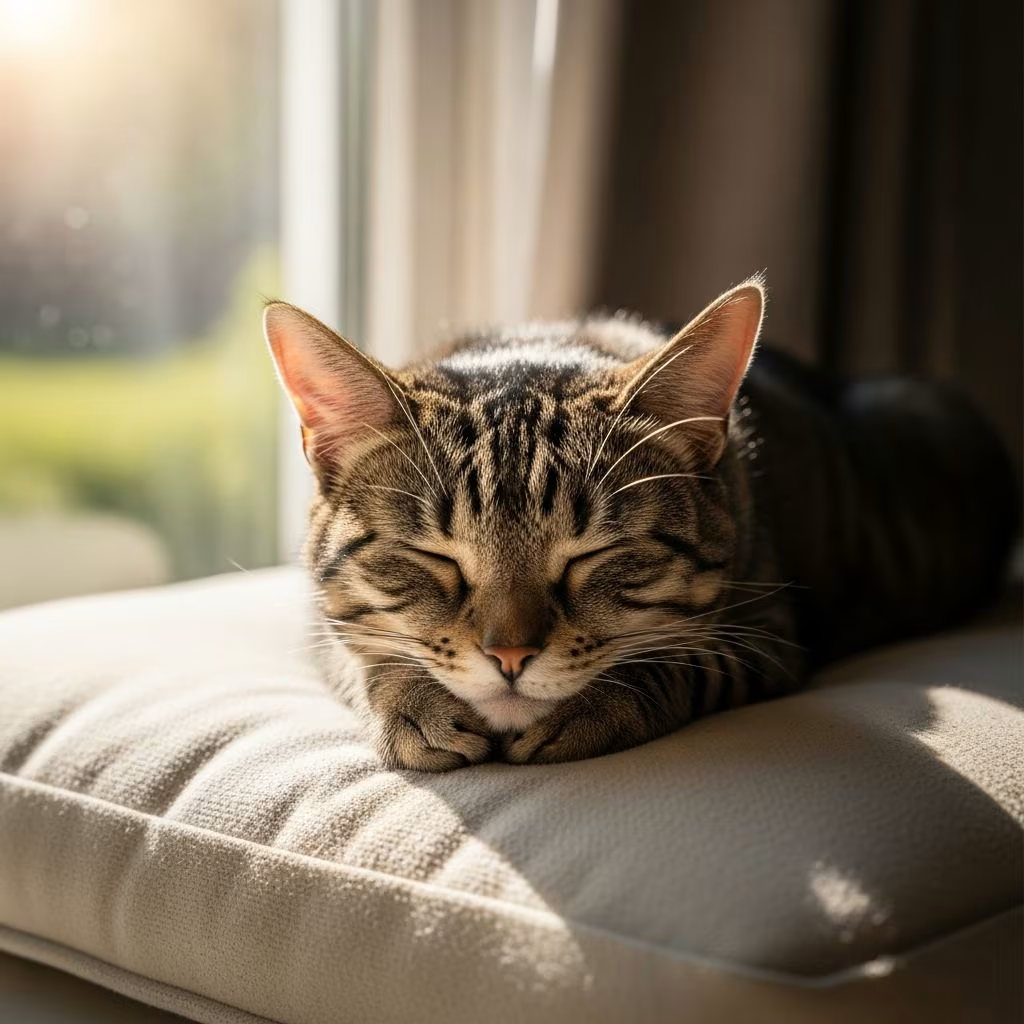
If you’ve ever wondered why your cat seems to sleep most of the day away, you’re not alone. Cats are notorious for their seemingly endless napping habits, often leaving owners questioning whether their feline companions are simply lazy or if there’s a deeper reason behind this behavior. The truth is that excessive sleeping in cats is completely normal and rooted in their evolutionary biology, hunting instincts, and natural physiology.
How Much Do Cats Actually Sleep?
One of the first questions cat owners ask is: how much sleep is normal for a cat? The answer varies depending on the source and the individual cat, but most experts agree that the typical domesticated cat sleeps between 12 and 20 hours per day. As a general rule, cats will sleep approximately 18 hours per day, spread over a series of naps that average 78 minutes each. Some cats may sleep as little as nine hours daily, while others might snooze for up to 20 hours, making it difficult to establish a one-size-fits-all answer.
This variation depends on several factors including age, activity level, health status, and environmental conditions. What’s important to understand is that this sleeping behavior is entirely natural and expected for feline companions, distinguishing them significantly from their human owners.
The Evolutionary Reasons Behind Feline Sleep
To understand why cats sleep so much, we must first examine their evolutionary history. Cats are natural predators, and the amount of energy they expend to stalk, hunt, and catch their prey must be compensated for, primarily through sleep. In the wild, cats engage in intense bursts of hunting activity followed by long periods of rest to recover and conserve energy.
Even though most domestic cats no longer need to hunt for survival, this evolutionary programming remains deeply ingrained in their biology. The hunting instinct requires cats to be ready to pounce at any moment, which demands significant energy expenditure. Sleep serves as the primary mechanism for recovering this energy and maintaining peak physical condition for potential hunting scenarios.
Many domesticated cats have retained the sleeping behaviors of their wild ancestors, maintaining the pattern of multiple naps throughout the day rather than one consolidated sleep period like humans. This adaptation allowed wildcats to survive in their natural habitat and continues to influence modern pet cat behavior.
Understanding Cat Sleep Cycles
Not all cat sleep is created equal. Like humans, cats experience sleep cycles that include both REM (rapid eye movement) and non-REM sleep stages, each serving different restorative functions. Understanding these cycles provides insight into why cats need so much sleep and how their rest differs from human rest patterns.
Non-REM Sleep: Light and Alert Rest
During non-REM sleep, cats experience lighter sleep with slower brain-wave activity, more relaxed body positioning, and slower heart rate and breathing. However, what makes feline non-REM sleep unique is that cats remain surprisingly alert during this phase. Even while appearing to be sleeping, cats maintain active muscles and senses, ready to leap into action at any moment if they detect prey or danger.
A typical non-REM sleep session lasts between 10 and 30 minutes, during which a cat may be easily awakened. This light sleep state allows cats to rest while maintaining their predatory edge—they can bolt after prey or escape danger if necessary, making it an evolutionary advantage for survival.
REM Sleep: Deep Restorative Rest
In contrast, REM sleep is when cats experience very deep sleep. During this phase, an electroencephalogram (EEG) shows erratic brain-wave activity similar to that of an awake cat. Cats display rapid, irregular breathing, fluctuating heart rates, and jerky eye movements during REM sleep. You might observe visible signs of deep sleep including twitching whiskers, flicking tails, moving paws, and even snoring.
A typical REM sleep session lasts approximately 10 minutes before the cat cycles back into non-REM sleep. The complete sleep cycle—alternating between non-REM and REM sleep—repeats until the cat finally wakes up. This cycling pattern throughout the day allows cats to accumulate both light restorative rest and deep sleep necessary for physical and mental recovery.
Cat Naps: The “Catnap” Phenomenon
The term “catnap” has become synonymous with short bursts of sleep, and for good reason. Cats are masters of the power nap, sleeping multiple times throughout the day rather than consolidating sleep into one long nighttime block like humans do. Cat naps typically range from 50 to 113 minutes in duration, with an average nap lasting about 78 minutes.
During these catnaps, cats usually remain in light sleep mode, seldom dipping into deep sleep. This allows them to stay responsive to their environment while still gaining some restorative benefits. The frequency and duration of these naps help cats maximize their energy recovery while maintaining awareness of potential threats or opportunities in their surroundings.
Age-Related Sleep Differences
Sleep requirements vary significantly across different life stages, with kittens and senior cats sleeping considerably more than adult felines.
Kitten Sleep Patterns
Newborn kittens have dramatically different sleep requirements than adult cats. Newborn kittens sleep close to 24 hours per day, as their nervous systems aren’t fully developed at birth. During the first three weeks of life, a kitten sleeps at least 90% of the time, only waking for nursing sessions when mama cat licks them awake.
Young kittens continue to sleep most of the day with just a few brief bursts of energy between meals. As kittens grow through adolescence, their sleep patterns become more erratic, interspersed with periods of intense playfulness and exploration. Eventually, as the kitten matures, their need for sleep slowly diminishes until their sleep pattern resembles that of an adult cat.
Senior Cat Sleep Patterns
Senior cats, like kittens, tend to sleep more than their middle-aged counterparts. This increased sleep requirement in older cats is often related to decreased activity levels, reduced metabolism, and the need for additional recovery time as their bodies age. If your senior cat is sleeping more than usual, it’s often a normal part of the aging process rather than cause for concern.
When Cats Sleep More Than Usual: Health Considerations
While normal cat sleep ranges from 12 to 20 hours daily, sometimes cats may sleep even more than these typical ranges suggest. If your cat is otherwise mentally and physically healthy, it’s possible that your cat simply doesn’t have anything else to do and is bored, particularly in indoor environments with limited stimulation.
Health Conditions Associated with Excessive Sleep
However, if your cat suddenly begins sleeping significantly more than their normal baseline, this could indicate underlying health issues that warrant veterinary attention. Several medical conditions can cause cats to sleep more than usual:
Chronic Illness: Increased lethargy can be a sign of chronic illness in cats. Conditions such as kidney disease, heart disease, diabetes, cancer, liver disease, and neurological conditions, among other things, can cause a cat to sleep more.
Infection: Cats suffering from acute infections can also become more lethargic. Viral, bacterial, or parasitic infections can all cause a cat to sleep more than usual. If you notice your cat is sleeping significantly more and showing other signs of illness, contact your veterinarian.
Cat Behavior and Sleep Patterns
How Cats Adjust Sleep for Social Interaction
Interestingly, research has shown that cats will adjust their sleep patterns to spend more time interacting with their humans. One Italian scientist conducted a small study with 10 cats—five living in smaller homes in close quarters with their owners and five living on bigger properties locked outside at night. The results demonstrated that cats modify their activity and sleep schedules based on their living situations and proximity to their human companions.
This finding suggests that cats are far more socially aware and adaptable than many people realize, actively managing their rest schedules to accommodate time with the people they live with.
Stress and “Fake” Sleep in Cats
Not all sleeping cats are actually sleeping. Cats sometimes feign sleep when they are stressed or anxious. A cat who is feigning sleep will display distinctive body language: a tense body with tail wrapped closely around it, paws tucked underneath, and ears upright and slightly forward as if listening to every sound. The eyes may be open or closed, but the cat remains fully aware of her surroundings.
This behavior reflects a high level of fear and anxiety and is often seen in cats in shelter settings or other stressful environments. If you suspect your cat may be feigning sleep, ensure they have access to what are considered the Five Pillars of a Healthy Feline Environment: a safe place to retreat, multiple, separated resources like litter boxes and food bowls, environmental enrichment, and opportunities for play and social interaction.
Cats Sleeping on You: What It Means
Many cat owners wonder why their cats choose to sleep on them. This behavior carries important emotional significance. Sleep is a vulnerable time, so when your cat sleeps on you, they are indicating that they trust you and feel content and secure with you.
This behavior begins in kittenhood. Cats are raised in litters, and when they’re very young until around 12 weeks of age, sleeping usually means piling onto one another near mom. It’s how they are raised during their peak socialization weeks, and similar to other things they learn during this time, this translates into lifelong habits. Your cat sleeps with you for comfort and security. After their mother, you’re the next best thing.
When your cat prefers to sleep on your chest, they may be drawn to the sounds of your body. Cats likely find comfort in your rhythmic heartbeat and steady breathing patterns. Cats tend to echo the calm sentiments of their sleeping humans, even though they get to sleep for a good 18 hours each day.
Cat Sleeping Positions and Their Meanings
The position your cat chooses for sleeping can reveal information about how comfortable and secure they feel:
Curled Into a Ball: Cats often sleep curled up in a ball with nose to tail. Cats like to be warm, and this shape helps them retain body heat. This position also protects vital organs in their abdomen by surrounding them with less essential and more resilient muscle and bone.
On Their Back: When your cat sleeps on their back with their belly fully exposed, it means they feel very safe and confident. This position is significant because cats instinctively protect their vulnerable organs, so exposing their belly demonstrates exceptional trust.
Side Sleeping: Cats sleeping on their side with legs stretched out are also very comfortable with you. However, this position makes it easier for cats to jump up or run if needed, providing an escape option that helps them rest more peacefully.
Sitting Upright: A cat sleeping in a sitting position is exposing their belly and voting confidence in their surroundings. This position also gives cats easier access to groom their belly with less effort between naps.
Tucked Under Covers: If your cat likes to sleep under the covers, they are probably enjoying the warmth as well as the familiarity and comfort of your scent. Covers also offer an escape from stressful noises, and some cats like the security of being wrapped or swaddled in a blanket.
Frequently Asked Questions
Q: Is it normal for my cat to sleep 20 hours a day?
A: Yes, sleeping 16 to 20 hours daily is completely normal for cats. Some cats naturally sleep more than others, and factors like age, indoor versus outdoor lifestyle, and individual personality all influence sleep duration.
Q: Why does my cat sleep during the day but is active at night?
A: Cats are crepuscular animals, meaning they are most active during dawn and dusk. Many domesticated cats have retained behaviors where they sleep during the day and become active during nighttime hours, which can clash with human sleep schedules.
Q: Should I be worried if my cat suddenly sleeps more?
A: If your cat has suddenly increased their sleep beyond their normal baseline and shows other signs of illness, contact your veterinarian. Sudden changes in sleep patterns can indicate infections or chronic health conditions requiring professional evaluation.
Q: Do cats dream during REM sleep?
A: During REM sleep, cats display physical signs associated with dreaming, including twitching whiskers, moving paws, and tail flicks. While we cannot definitively confirm cats dream the same way humans do, the evidence strongly suggests they experience some form of mental activity during deep sleep.
Q: Why does my cat sleep on me specifically?
A: Your cat sleeps on you because they trust you and feel safe with you. They’re drawn to your body heat, the sound of your heartbeat, and your calm breathing patterns. This behavior stems from their kitten experiences of snuggling with their mother and littermates.
References
- Why Do Cats Sleep So Much? — The Cat Is In The Box. Retrieved November 27, 2025. https://thecatisinthebox.com/blogs/kitty-contemplations/why-do-cats-sleep-so-much
- Why Do Cats Sleep On You? Should You Let Them? — Rover.com. Retrieved November 27, 2025. https://www.rover.com/blog/why-do-cats-sleep-on-you/
- How To Get Your Cat to Sleep At Night — PetMD. Retrieved November 27, 2025. https://www.petmd.com/cat/general-health/how-get-your-cat-sleep-night
- 20 Cat Sleeping Positions and What They Mean — PetMD. Retrieved November 27, 2025. https://www.petmd.com/cat/general-health/cat-sleeping-positions-and-what-they-mean
- Everything You Need to Know About How Cats Sleep — Discover Magazine. Retrieved November 27, 2025. https://www.discovermagazine.com/everything-you-need-to-know-about-how-cats-sleep-46573



