

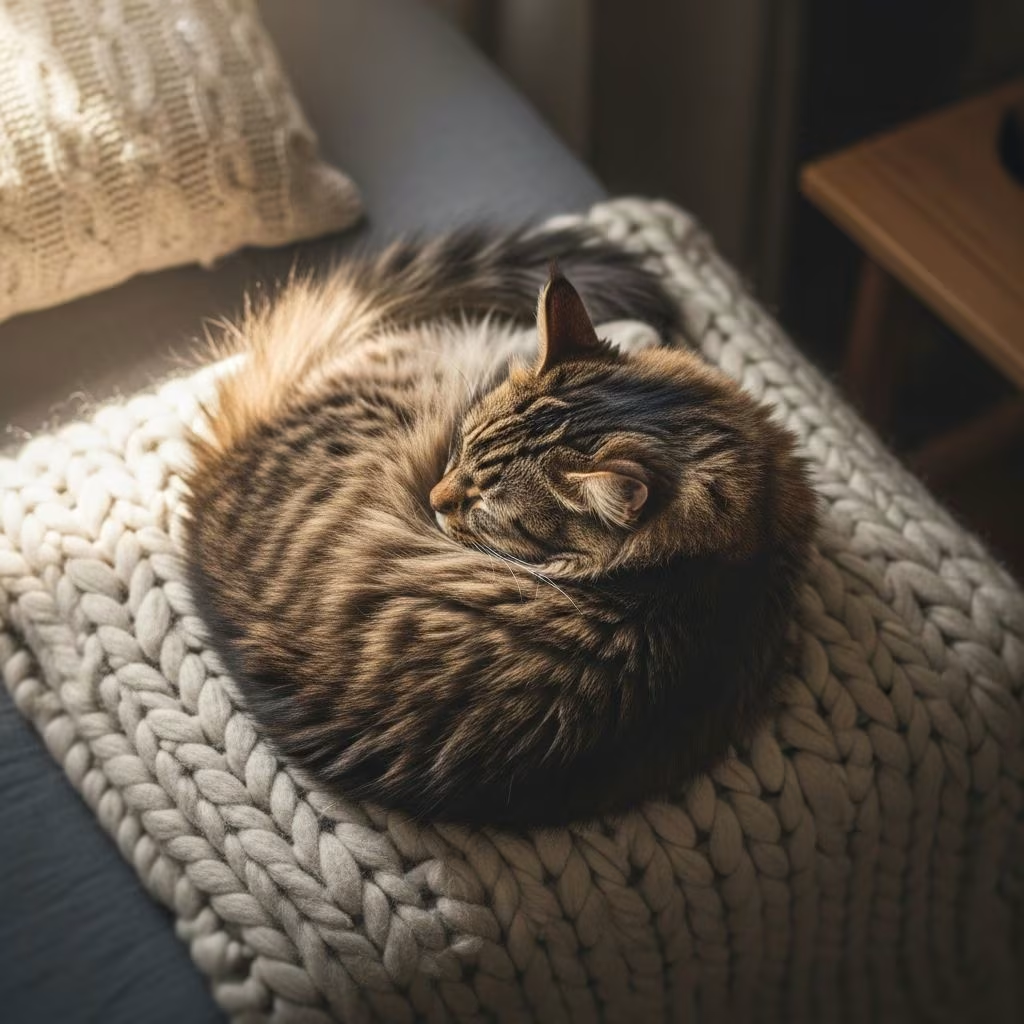
If you own a cat, your smartphone is likely filled with adorable photos of your feline friend catching some Z’s in the most peculiar positions. From sprawling across keyboards to wedging into tiny boxes, cats have a knack for finding the coziest nooks. But one of the most endearing and common sights is your cat curling up into a tight **circle** or **crescent** shape, nose tucked toward tail, paws neatly folded. This sleeping posture, often called the ‘crescent,’ has puzzled cat lovers for generations. Why do cats prefer this balled-up position over stretching out? Is it just for cuteness, or is there more to it?
In this comprehensive guide, we’ll dive deep into the **vet-reviewed reasons** behind this behavior, exploring instinctual, physiological, and environmental factors. We’ll also cover when this position might signal a problem, compare it to other cat sleeping styles, and share tips to help your kitty rest even better. Whether you’re a new cat parent or a seasoned feline enthusiast, understanding these quirks strengthens the bond with your pet.
Why Do Cats Sleep in a Circle?
There are **two primary reasons** why cats choose to sleep in a circle: **comfort through heat conservation** and **security by protecting vulnerable areas**. These instincts stem from their wild ancestry, even for pampered house cats.
1. For Warmth and Comfort
The simplest and most practical explanation is **thermoregulation**. Cats have a normal body temperature of about 100.5–102.5°F (38–39.1°C), higher than humans’ 98.6°F (37°C). In cooler environments, curling into a ball minimizes surface area exposed to the air, trapping body heat close to the core. This ‘crescent’ position allows the tail, chin, and paws to cover the face and belly, creating a natural thermal blanket.
Wild cats, like feral felines or big cats (lions, tigers), exhibit this behavior to survive harsh conditions. Domestic cats retain this trait, especially in winter or drafty rooms. Observational studies note cats tighten their curl in cold weather, loosening it as temperatures rise. Providing heated beds or blankets can encourage more relaxed poses, but many stick to instinct.
Additionally, this position promotes **comfortable muscle relaxation**. The rounded shape aligns the spine naturally, reducing strain during long naps—cats sleep 12–16 hours daily as adults, up to 20 for kittens.
2. For Security and Protection
The second key reason is **defensive instinct**. In the wild, cats are both predators and prey. Sleeping exposes them to threats, so the circle safeguards the **chest, abdomen, and vital organs** (heart, lungs, intestines) by surrounding them with denser muscle, bone, and fur. The face remains alert, with ears perked to detect sounds, and hind legs positioned for a quick spring into action.
This posture makes the cat a smaller, less appealing target. Even indoor cats inherit this from ancestors like the African wildcat. Vets note it’s common in multi-cat homes or near windows where outdoor stimuli (birds, stray animals) trigger vigilance.
Fascinatingly, before settling, cats often **circle repeatedly**—a ritual to pat down bedding, mark territory with paw scent glands, check for pests, and align with wind direction for scent detection.
Is It a Problem When Cats Sleep in a Circle?
Generally, no—this is **normal feline behavior**. However, context matters. If it’s your cat’s default position accompanied by other symptoms, it could indicate discomfort or illness. Monitor for these red flags:
- **Difficulty moving or walking**: Limping, hesitation, or stiffness suggests arthritis or injury.
- **Increased vocalization**: Excessive meowing, yowling, or growling during settling.
- **Reduced appetite**: Skipping meals or eating less than usual.
- **Lethargy**: Less play, hiding more, or reluctance to engage.
- **Diarrhea and/or vomiting**: Gastrointestinal upset.
- **Change in normal breathing**: Labored, rapid, or open-mouth breathing.
Excessive pre-sleep circling (more than 5–10 turns) or repeated standing/sitting without settling points to **pain**, such as orthopedic issues (hip dysplasia, arthritis) or neurological problems (spinal cord disease). Cats in pain struggle to find comfort, crouching and rising multiple times. Joint stiffness from aging or conditions like osteoarthritis can limit stretching, forcing a perpetual curl.
Vet Advice: If symptoms persist >24–48 hours, schedule a checkup. Early detection via bloodwork, X-rays, or joint supplements (e.g., glucosamine) can restore comfort. Senior cats (11+ years) are prone; regular exams are key.
Other Common Cat Sleeping Positions and What They Mean
Cats have over 20 documented sleeping positions, each revealing mood, health, and trust levels. Here’s a breakdown of popular ones beyond the crescent:
1. The Loaf (Sphinx Position)
Paws and tail tucked under, head up—like a mini loaf of bread. Indicates relaxation with readiness to move; common for short dozes.
2. Side Sleeping
Legs extended, belly partially exposed. Signals **deep trust** and comfort in their environment; quick escape possible but vulnerable.
3. On Their Backs (Supine)
Belly fully up, paws in air. Ultimate **confidence**—cats only expose vitals here if utterly safe. Avoid petting unless invited!
4. The Burrito (Under Blankets)
Burrowed for warmth and security, mimicking wild dens. Common in cold weather or anxious cats seeking enclosure.
5. Belly Up Against Legs
Wedged between your bent knees. Uses legs as ‘walls’ for protection, trapping heat—shows affection and security.
6. On Your Chest
Cuddling for heartbeat rhythm (soothing, like mother’s), voice, and heat. Bonding behavior; strengthens human-cat attachment.
| Position | Meaning | Trust Level |
|---|---|---|
| Crescent/Circle | Warmth + Protection | Medium |
| Side Sleep | Relaxed, Ready | High |
| On Back | Total Safety | Very High |
| Chest Nap | Bonding + Comfort | High |
This table summarizes key positions for quick reference.
Frequently Asked Questions (FAQs)
Why do cats circle before sleeping in a ball?
To flatten bedding, mark scent, deter pests, and check wind/scents—instinctual nest-building.
Is sleeping curled up a sign of pain in cats?
Possibly, if excessive or with symptoms like lethargy. Consult a vet for arthritis or illness checks.
Do all cats sleep in circles?
No, but most do occasionally for warmth/security. Preferences vary by age, health, temperature.
How can I encourage my cat to sleep more stretched out?
Warm the room (75–80°F), provide soft heated beds, ensure safety to build trust.
Why does my cat sleep on me in a circle?
Combines your heat/heartbeat with protective curling—peak affection!
Enhancing Your Cat’s Sleep Environment
To promote healthy sleep:
- Multiple elevated beds for choice.
- Maintain 70–80°F ideal temp.
- Quiet, dark spaces away from drafts.
- Joint supplements for seniors.
- Regular vet checkups.
Understanding these behaviors deepens appreciation for your cat’s wild roots in a domestic world.
References
- Why Do Cats Sleep in a Circle? Vet Reviewed Reasons — Catster. 2023. https://www.catster.com/cat-behavior/why-do-cats-sleep-in-a-circle/
- Why Cats Turn Around Before Lying Down — VCA Animal Hospitals. 2023. https://vcahospitals.com/know-your-pet/why-cats-turn-around-before-lying-down
- Why Do Cats Walk In Circles Before Lying Down? — YuMOVE. 2024. https://yumove.co.uk/blogs/cat-expert-advice/why-do-cats-walk-in-circles-before-lying-down
- What Do Cat Sleeping Positions Mean for Trust and Comfort? — LadynPet. 2023. https://ladynpet.com/us/blog/cat-sleeping-positions-meaning/
- 10 Cat Sleeping Positions: What Do They Mean? — Purina UK. 2024. https://www.purina.co.uk/articles/cats/behaviour/common-questions/cat-sleeping-positions
- 20 Cat Sleeping Positions and What They Mean — PetMD. 2024. https://www.petmd.com/cat/general-health/cat-sleeping-positions-and-what-they-mean



