

Why Do Cats Sleep in a Circle?
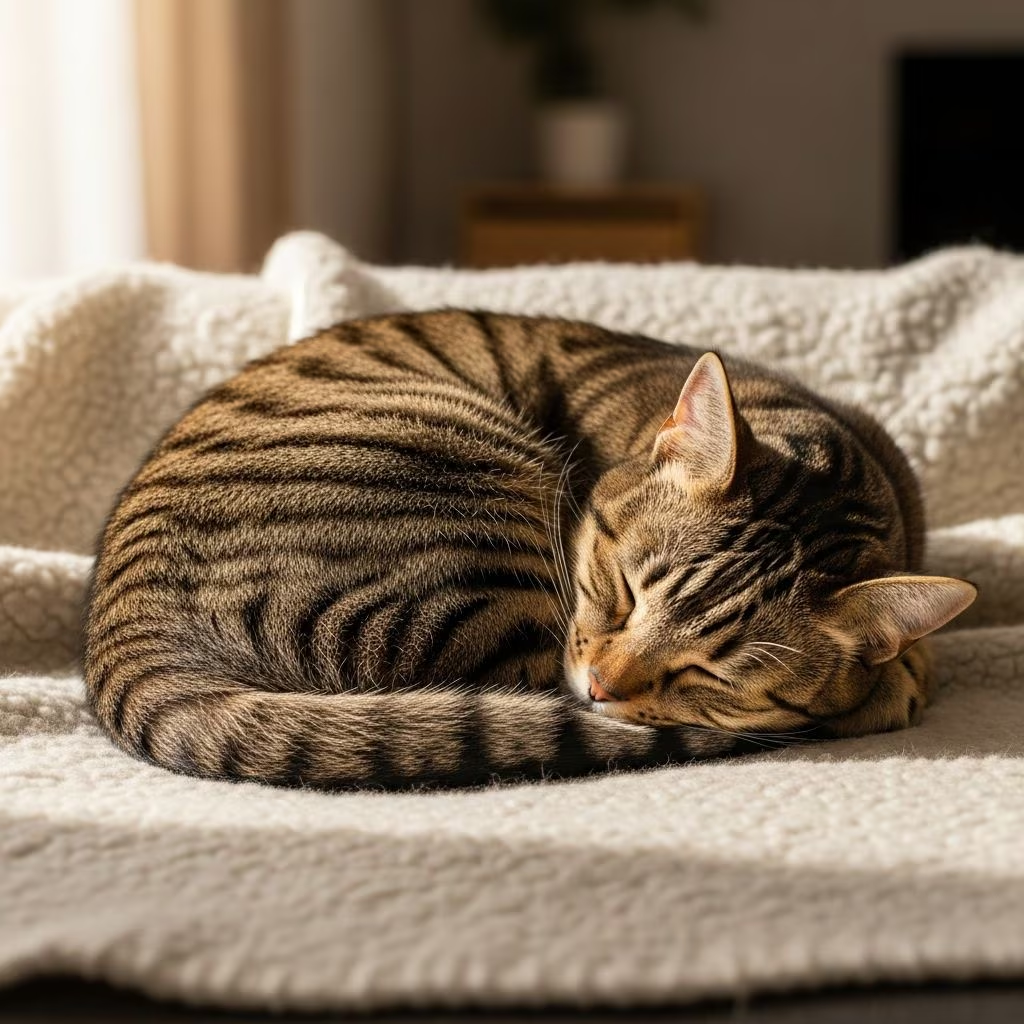
If you’ve ever noticed your beloved feline curled up in a tight ball, nose tucked toward their tail, you’ve witnessed one of the most iconic cat sleeping positions. This circular sleeping posture is not merely a cute quirk—it’s a deeply ingrained behavior rooted in evolutionary survival instincts and physiological comfort. Understanding why your cat adopts this position can provide valuable insights into their physical well-being and emotional security.
There are two primary reasons why cats choose to sleep in a circle: comfort and security. The simplest explanation is that this position is the warmest and coziest for your feline companion. When cats curl into a ball, they can conserve body heat to stay warmer for extended periods. Beyond thermoregulation, this sleeping position also protects their most vulnerable areas—the chest and abdomen—from potential predator attacks. Although your indoor cat is unlikely to face wild predators, these survival instincts have been passed down from their wild ancestors and remain deeply embedded in their behavior.
The Two Main Reasons Cats Sleep in a Circle
1. Heat Conservation and Comfort
When cats curl up in a circular position, they significantly reduce their body surface area exposure, which helps them retain warmth more efficiently. In the wild, cats could not adjust their environment’s temperature by turning up a thermostat, so they evolved this behavioral strategy to survive cold weather conditions. The tighter the curl, the warmer the cat stays.
This heat retention mechanism works particularly well because the circular posture minimizes heat loss from the cat’s extremities and vital organs. When multiple cats live together, they may sleep in close proximity in circular positions, sharing body heat and creating a warm, secure nest—a behavior inherited from their wild ancestors who survived through communal warmth.
The circling behavior before lying down also serves a practical purpose in temperature regulation. By circling and adjusting their sleeping area, cats can clear debris like grass or soil that might retain unwanted heat in warmer climates. This demonstrates cats’ remarkable ability to regulate their sleep environment based on their physiological needs.
2. Protection and Security
Beyond warmth, the circular sleeping position provides essential protection. By curling up, cats create a defensive posture that makes them a smaller target and protects their soft underbelly and vital organs. This position essentially creates a safe zone by surrounding vulnerable areas like the chest and abdomen with less essential muscle and bone.
This protective instinct is particularly strong in new environments or when cats feel slightly unsure. The circular position allows cats to maintain alertness while resting, enabling them to spring into action quickly if threatened. Even though indoor cats rarely face actual predators, this survival mechanism remains active in their behavioral repertoire, demonstrating the powerful influence of evolutionary instincts.
Additionally, when cats circle before lying down, they are instinctively checking for dangers and preparing their sleeping area for optimal safety. This behavior helps them detect potential threats through scent and wind direction, habits that were crucial for wild cats’ survival.
Territorial Marking and Comfort Adjustment
Circling before sleep serves another important function: territorial marking. Cats possess scent glands in their paws, and by walking in circles and scratching at the ground, they leave their scent behind, signaling to other animals that the area belongs to them. This behavior is particularly important in the wild, where territory disputes were common, but it also manifests in domestic settings where cats want to claim their favorite sleeping spots.
The circling ritual also allows cats to adjust their sleeping area for maximum comfort. They may be flattening grass, creating a nest-like depression, or simply warming the surface they’re about to rest on. This meticulous preparation demonstrates cats’ instinctive need to create the perfect sleep environment tailored to their physical and psychological comfort.
The Kneading Ritual: A Comforting Addition
For many cats, circling before lying down is accompanied by kneading—the rhythmic pushing motion with their front paws. This behavior originates from kittenhood when kittens kneaded their mother’s belly to stimulate milk production. In adulthood, kneading is a sign of contentment and comfort. When combined with circular sleeping, kneading reinforces that your cat feels safe and secure in their environment, ready to settle down for a restful sleep.
Other Cat Sleeping Positions and Their Meanings
While circular sleeping is the most instinctual feline position, cats adopt various other sleeping postures, each with distinct meanings:
2. Side Sleeping
Cats will sometimes sleep on their sides with their legs stretched out. This position allows your kitty to jump up and run away if necessary, though it does expose their essential organs. Seeing your pet sleeping like this means they’re extremely comfortable around you and trust you wholeheartedly.
3. Sleeping on Their Backs
Cats sleeping on their backs with their bellies fully exposed feel safe and confident in their home. This vulnerable position indicates exceptional trust, as they are exposing their most sensitive areas. The ability to sleep in this position demonstrates that your cat feels completely secure in their environment and with the people around them.
Is Circular Sleeping Always Normal?
While circular sleeping is typically a normal and healthy behavior, there are situations where excessive circling before lying down may indicate a problem. Understanding these warning signs can help you determine whether your cat needs veterinary attention.
When to Be Concerned
If your cat is experiencing illness or discomfort, they may circle excessively as they struggle to find a more comfortable position. Additionally, excessive circling could indicate stress, discomfort, or joint pain, which may require a vet’s attention. Look for the following warning signs alongside circular sleeping:
- Difficulty moving or walking
- Increased vocalization or unusual sounds
- Reduced appetite or changes in eating habits
- Lethargy or unusual tiredness
- Diarrhea and/or vomiting
- Changes in normal breathing patterns
The presence of any of these symptoms alongside circular sleeping warrants a consultation with your veterinarian to rule out underlying health issues. It can be challenging to determine if circular sleeping indicates illness because this behavior is quite common in healthy cats, making observation of accompanying symptoms crucial.
Understanding Your Cat’s Sleep Preferences
Cats are known for their flexibility and ability to regulate their sleep environment, making decisions about when and how to rest based on their needs. A cat’s tendency to sleep in a circle is deeply rooted behavior with multiple evolutionary survival and physiological benefits. This instinctual behavior, passed down from their wild ancestors, serves to protect the cat while it rests, conserve body heat, and reduce vulnerability to predators.
The circular position also signals contentment and security in a home environment. When a cat curls up in a circle on a comfortable bed or chair, it is usually a sign they feel protected from any external dangers. Conversely, cats that feel insecure or anxious may sleep in more exposed positions, such as lying flat on their backs or in less comfortable places.
Creating the Perfect Sleep Environment
Understanding your cat’s sleeping preferences can help you create an ideal resting space. Cats tend to prefer soft, enclosed spaces that offer warmth, comfort, and a sense of security. Consider providing:
- Soft cat beds or cushions in quiet locations
- Enclosed cat houses or boxes that provide a nest-like feeling
- Windowsill perches for warmth from sunlight
- Blankets or heated beds during colder months
- Multiple sleeping locations throughout your home
By offering these options, you encourage your cat to rest comfortably and confidently, promoting better sleep quality and overall well-being.
Frequently Asked Questions
Q: Is it normal for cats to sleep in a circle every night?
A: Yes, sleeping in a circular position is a normal and instinctual behavior for most cats. However, the frequency may vary based on temperature, comfort level, and how secure they feel in their environment.
Q: Why does my cat circle before lying down but then sleep stretched out?
A: Circling is part of the preparation ritual—checking the area for safety and comfort. Once satisfied, some cats may stretch out if they feel very secure. This typically indicates your cat trusts their environment completely.
Q: Does the circular sleeping position indicate my cat is cold?
A: Not necessarily. While cats do use this position to conserve heat, they also sleep in circles when they feel secure, regardless of temperature. However, if your cat adopts this position more frequently during winter, it does suggest temperature regulation.
Q: Should I be worried if my cat suddenly stops sleeping in a circle?
A: A one-time change in sleeping position is usually not concerning. However, if your cat consistently changes their sleeping habits alongside other behavioral or physical changes, consult your veterinarian to rule out health issues.
Q: Can indoor cats really need to sleep in a circle for protection?
A: Yes. Even though indoor cats face no real predators, these evolutionary instincts remain deeply embedded in their behavior. The circular position provides both physical comfort and psychological security, making it preferred regardless of actual danger.
Q: How much do cats sleep per day?
A: Cats typically sleep 12 to 16 hours per day, with some older cats sleeping even more. They are crepuscular animals, meaning they are most active during dawn and dusk.
References
- Why Do Cats Sleep in a Circle? Vet Reviewed Reasons — Catster. https://www.catster.com/cat-behavior/why-do-cats-sleep-in-a-circle/
- Why Do Cats Turn In Circles Before Lying Down? — My Fur Babies. https://myfurbabies.co.uk/blogs/fbb/why-do-cats-circle-before-lying-down
- Why Cats Turn Around Before Lying Down — VCA Animal Hospitals. https://vcahospitals.com/know-your-pet/why-cats-turn-around-before-lying-down
- 20 Cat Sleeping Positions and What They Mean — PetMD. https://www.petmd.com/cat/general-health/cat-sleeping-positions-and-what-they-mean
- What Do Cat Sleeping Positions Mean for Trust and Comfort? — Lady N Pet. https://ladynpet.com/us/blog/cat-sleeping-positions-meaning/



