

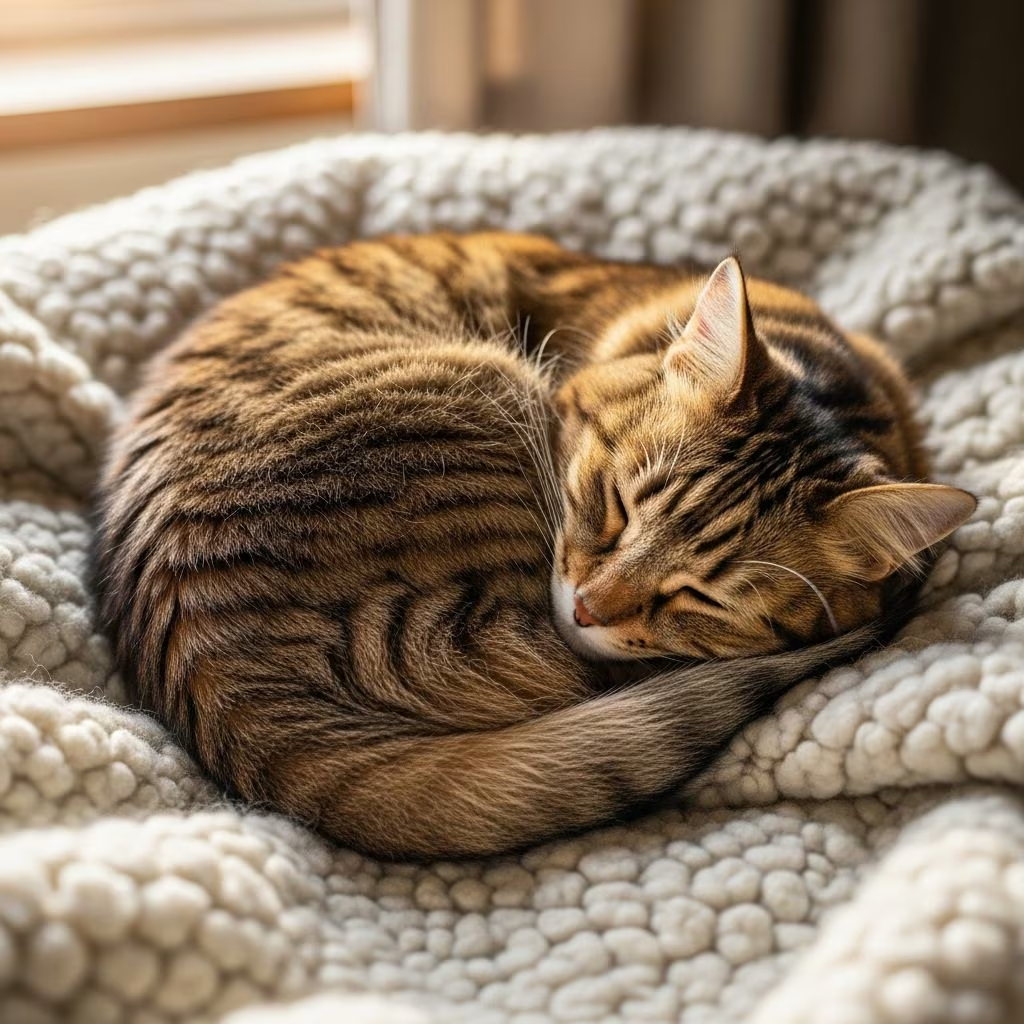
Cats are notorious for their unique sleeping habits, spending up to 16-20 hours a day napping in various intriguing positions. One of the most endearing and common is the **circular or crescent sleep position**, where they curl their bodies into a tight ball with nose tucked toward tail. This posture isn’t random—it’s driven by instinct, physiology, and environmental factors. Vet-reviewed insights reveal two primary reasons: **comfort through heat conservation** and **security by protecting vital organs**.
Why Do Cats Sleep in a Circle?
The **crescent position**—also called the “donut” or curled ball—serves essential survival purposes inherited from wild ancestors. Domestic cats retain these behaviors despite cozy homes.
1. For Comfort and Warmth
The simplest explanation is thermodynamics. Cats have a higher body temperature than humans (around 101.5°F or 38.6°C), but they still seek to minimize heat loss. Curling into a circle reduces surface area exposed to the air, trapping body heat like a natural blanket. This is especially crucial in cooler environments or for feral cats without shelter.
In the wild, cats would huddle in tight groups or coil individually to share and preserve warmth. Modern cats replicate this on sofas, beds, or laps, often turning in circles first to pat down bedding and create a “nest.” This pre-sleep ritual, observed in both wild and domestic felines, flattens fabric or cushions for maximum coziness.
2. For Security and Protection
Instinct plays a huge role. By tucking their tail around the body, cats shield their **abdomen, chest, and vital organs**—the most vulnerable areas to predators. The muscular back and limbs form a protective barrier, allowing quick defensive strikes if needed (paws and claws remain accessible).
This position minimizes their profile, making them a smaller target. Even in safe homes, this atavistic behavior persists, signaling mild caution or a new environment. Feral cats use it to align with wind direction, scenting threats early.
Bonus Instinct: Circling before curling scatters scent from paw glands, marks territory, and dislodges pests like insects or snakes—practical for outdoor survival.
Is It a Problem When Cats Sleep in a Circle?
Usually not—this is a **normal, healthy position**. However, context matters. Excessive or sudden preference for the circle, especially with other symptoms, may indicate discomfort or illness. Watch for these red flags:
- Difficulty moving or walking: Limping or hesitation suggests pain, like arthritis.
- Increased vocalization: Excessive meowing or yowling during settling.
- Reduced appetite: Skipping meals alongside tight curling.
- Lethargy: Less play or interaction than usual.
- Diarrhea/vomiting: Gastrointestinal upset.
- Change in breathing: Labored or rapid patterns.
If circling becomes compulsive (multiple revolutions without settling), it could signal **joint stiffness, neurological issues, or pain**. Cats hide illness well, so consult a vet for diagnostics like X-rays or bloodwork. Behaviorists note that healthy cats vary positions, while pained ones stick rigidly to protective curls.
Other Common Cat Sleeping Positions and What They Mean
Cats have over 20 documented sleep postures, each revealing mood, trust, and health. Variety indicates well-being; monotony may not. Here’s a breakdown:
| Position | Description | Meaning |
|---|---|---|
| Loaf (Tuck) | Sitting with paws tucked under, like bread. | Relaxed but alert; ready to spring up. |
| Side Sleeping | Legs stretched out, belly partially exposed. | Deep trust and comfort; quick escape possible. |
| On Their Backs | Belly up, paws in air. | Utmost security; playful invitation (but don’t always rub!). |
| Superman (Sphinx) | Chest down, front paws extended, rear tucked. | Resting but vigilant; conserving energy. |
| On Your Chest/Lap | Curling on owner for warmth/heartbeat. | Bonding, affection; views you as safe. |
| Burrowed (Between Legs) | Nestled in leg trench. | Seeking enclosure for security/heat. |
These positions evolve with age: Kittens sprawl freely, adults curl for efficiency, seniors may stiffen into protective balls.
How Much Do Cats Sleep?
Cats are **obligate carnivores** with high metabolisms, needing frequent hunts in the wild. Domestication amplifies sleep:
- Kittens: 18-20 hours/day for growth.
- Adults: 12-16 hours, peaking at dawn/dusk (crepuscular).
- Seniors: Up to 20 hours due to lower energy.
Post-meal naps conserve energy, mimicking wild feasting/sleep cycles. Quality matters—ensure quiet, warm spots to prevent stress-induced insomnia.
Tips to Encourage Healthy Cat Sleeping
Support natural habits:
- Provide **multiple beds**: Igloo-style for curling, heated pads for winter.
- **Routine**: Feed/play at consistent times to align circadian rhythms.
- **Environment**: Dark, quiet zones away from drafts/noise.
- **Monitor changes**: Log positions/symptoms for vet visits.
- Avoid disturbing deep sleep (rapid eye movement phases last 10-30 min).
Frequently Asked Questions (FAQs)
Why do cats circle before sleeping in a ball?
Instinctual ritual to nest bedding, mark territory, check for pests, and align for warmth/wind.
Is sleeping in a circle a sign of coldness?
Often yes, especially in winter. Offer heated beds if persistent.
When should I worry about my cat’s sleeping position?
If accompanied by lethargy, appetite loss, or mobility issues—see a vet promptly.
Do all cats sleep in circles?
No, but most do occasionally. Secure cats mix positions like side-sleeping.
Can I train my cat out of this habit?
Not advisable—it’s innate. Accommodate with cozy setups.
This comprehensive guide equips cat owners to decode sleep behaviors, fostering better health and bonding. Observe your feline friend—they’re communicating volumes while dreaming!
References
- Why Do Cats Sleep in a Circle? Vet Reviewed Reasons — Catster. 2023-10-15. https://www.catster.com/cat-behavior/why-do-cats-sleep-in-a-circle/
- Why Cats Turn Around Before Lying Down — VCA Animal Hospitals. 2024-05-20. https://vcahospitals.com/know-your-pet/why-cats-turn-around-before-lying-down
- Why Do Cats Walk In Circles Before Lying Down? — YuMOVE. 2024-08-12. https://yumove.co.uk/blogs/cat-expert-advice/why-do-cats-walk-in-circles-before-lying-down
- What Do Cat Sleeping Positions Mean for Trust and Comfort? — LadynPet. 2023-11-05. https://ladynpet.com/us/blog/cat-sleeping-positions-meaning/
- 20 Cat Sleeping Positions and What They Mean — PetMD. 2024-02-14. https://www.petmd.com/cat/general-health/cat-sleeping-positions-and-what-they-mean



