

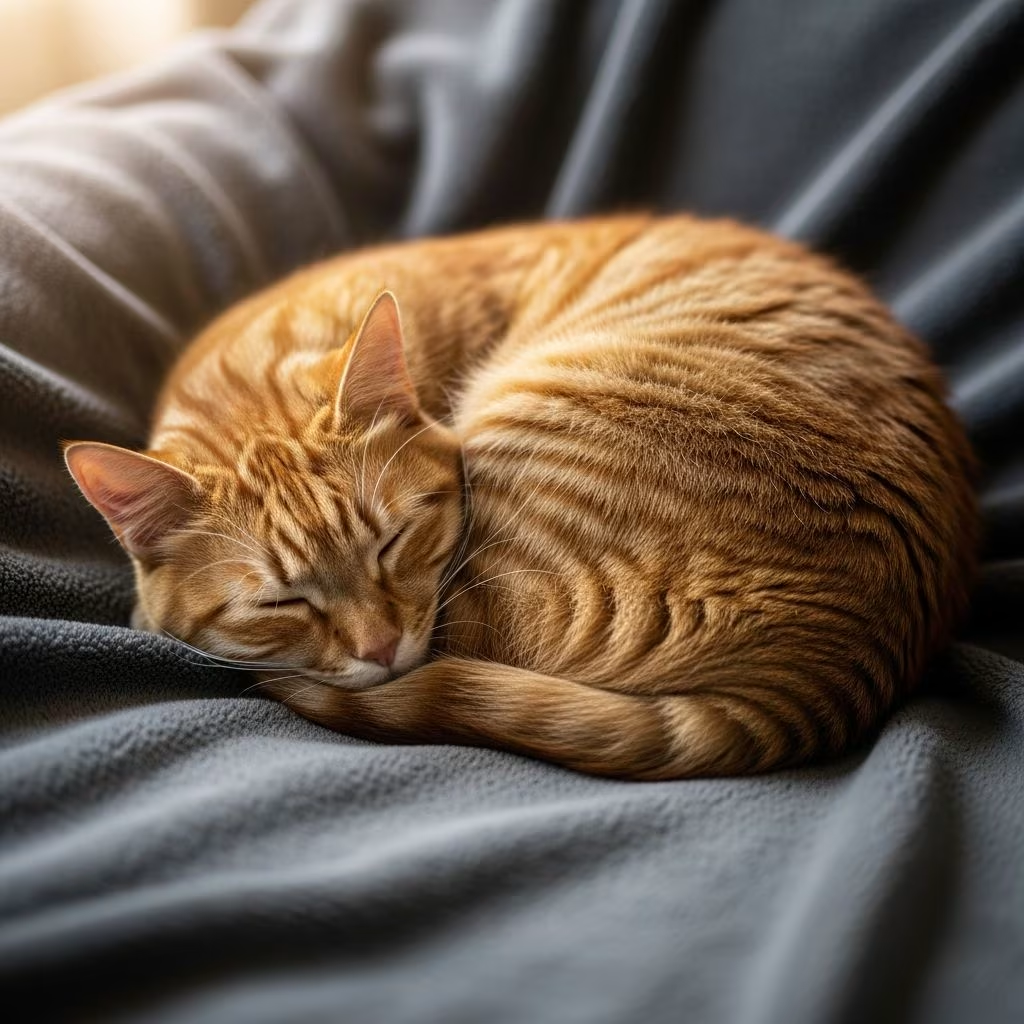
Cats are notorious for their unique sleeping habits, and one of the most endearing is when they curl up into a tight ball. This position isn’t just adorable—it’s rooted in instinct, physiology, and environmental adaptation. Whether domesticated or feral, cats worldwide adopt this posture for practical reasons that have evolved over millennia.
Understanding why cats sleep in a ball offers insights into their well-being, comfort preferences, and even health status. Cats sleep 12-16 hours a day on average, with some reaching up to 20 hours, making their sleeping positions a key part of observing their behavior. In this article, we’ll dive into the primary reasons cats form this cozy sphere, explore other common sleeping positions, and address frequently asked questions.
Reasons Why Cats Sleep in a Ball
The ball position, where a cat tucks its paws, tail, and nose close to its body, serves multiple purposes. It’s a multifunctional posture combining survival instincts with modern comfort needs.
To Stay Warm
Cats have a higher core body temperature than humans—around 101.5°F (38.6°C)—so they actively seek ways to conserve heat, especially during naps. Curling into a ball minimizes exposed surface area, trapping body heat like a natural blanket. Their thick fur acts as insulation, enhancing this effect.
In colder environments or seasons, you’ll notice this position more frequently. Indoor cats might curl up less near heat sources like sunny windows or heaters, where they stretch out instead. Feral cats rely on this for survival against harsh weather, a trait passed down to pets. Providing cozy beds or heated mats can encourage relaxed positions while respecting their instincts.
For Safety and Protection
Sleep renders cats vulnerable, echoing wild ancestors who faced predators. The ball shape shields vital organs in the abdomen and chest, positioning resilient muscles and bones outward. The face, with eyes and nose tucked in, is protected, allowing quick awakening if needed.
This defensive posture signals caution; a cat curling tightly may feel insecure in its surroundings. In multi-pet homes or new environments, it indicates a need for a safe space. Over time, as trust builds, they may loosen up.
For Comfort
Beyond survival, it’s simply comfy. Cats spend so much time sleeping that ergonomics matter. The rounded form supports joints and spine, reducing pressure points. Some cats prefer it due to flexibility, contorting effortlessly into this position.
Individual preferences vary—kittens and seniors might favor it more, while athletic adults mix positions. Round cat beds mimic this shape, promoting it naturally.
Practicality and Space-Saving
A compact ball fits into tight spots like boxes, shelves, or laps. Cats love enclosed areas for added security, and curling enables access to these nooks. This practicality explains why they nap in odd places, from laundry baskets to keyboard middles.
Other Common Cat Sleeping Positions and What They Mean
Cats are contortionists with a repertoire of positions revealing mood, health, and comfort levels. Here’s a breakdown of popular ones.
- Curled Up (Near You): Indicates trust and safety. Your cat feels secure enough to nap close, showing affection and relaxation.
- Belly Up: Ultimate vulnerability sign. Exposing the belly means profound trust; they’re utterly relaxed. Avoid touching unless invited, as it can trigger play or defense.
- On Their Side (Stretched Out): Full relaxation in a warm, safe spot. Common in pets vs. ferals, signaling no threats perceived.
- The Loaf: Upright with paws tucked under, like bread. Quick rest mode—relaxed but ready to move. Often short naps.
- One Eye Open (or Half-Open): Light sleep phase. Cats can rest one brain hemisphere while monitoring surroundings, a superpower for vigilance. Ideal for alert naps.
- Under Something: Hiding under furniture or covers seeks undisturbed privacy and security. “Do not disturb” signal.
- Contortionist Positions: Upside down, head tucked oddly—pure comfort. No deep meaning; cats prioritize what’s cozy.
These positions cycle through deep sleep (curled or loaf), REM (twitching), and light dozing. Watch for patterns: consistent ball-sleeping in warm homes might just be preference.
When to Worry About Changes in Sleeping Positions
While variability is normal, sudden shifts can signal issues. If a cat stops curling up, sleeps more/less, or hides excessively, it may indicate pain, arthritis, illness, or stress.
- Increased ball-tightening: Cold, anxiety, or discomfort.
- Avoiding favorite spots: Possible illness; cats hide when unwell.
- Restlessness or odd postures: Joint pain, hyperthyroidism, or dental issues.
Consult a vet if changes persist over days, accompanied by lethargy, appetite loss, or vocalizing. Seniors and kittens warrant extra monitoring. Environmental tweaks like quieter spaces or warmer bedding help too.
Creating the Perfect Sleeping Environment for Your Cat
Enhance sleep quality with cat-friendly setups. Key factors include temperature (70-85°F ideal), quiet, and elevation.
| Element | Tips | Benefits |
|---|---|---|
| Bedding | Round/donut beds, heated pads, soft blankets | Encourages curling, retains warmth |
| Location | Elevated perches, quiet corners, near you but private | Security and comfort |
| Lighting/Temp | Sunny spots or dim areas, avoid drafts | Regulates cycles, prevents chills |
| Enrichment | Cave beds, boxes, multiple options | Reduces stress, allows position variety |
Multiple beds cater to whims; wash regularly to prevent allergens. Observe preferences—some love laps, others solitude.
Frequently Asked Questions (FAQs)
Is it normal for cats to sleep in a ball?
Yes, it’s completely normal and common. Cats curl up for warmth, safety, and comfort. Lack of this position might signal health issues like arthritis—vet check recommended.
Why do cats sleep in a ball more in winter?
To conserve heat in cooler temps. Their higher body temp makes them sensitive to cold, so balling up traps warmth efficiently.
What if my cat never sleeps in a ball?
Preferences vary, but consistent avoidance with other changes (e.g., stiffness) could indicate pain or illness. Monitor and consult a vet.
Do all cats sleep curled up the same way?
No—tight vs. loose balls depend on individual comfort, age, and environment. Kittens and seniors often curl tighter.
Can sleeping positions indicate illness?
Yes, shifts like hiding, restlessness, or avoiding stretch-outs may mean discomfort. Pain prompts protective postures.
Conclusion: Embracing Your Cat’s Sleepy Quirks
Cats sleeping in balls blend ancient instincts with cozy preferences, offering a window into their world. By understanding these behaviors, you foster better care, spotting issues early and creating ideal rest spots. Next time your feline forms a fluff ball, appreciate the evolutionary marvel at work.
References
- Why Do Cats Curl Up Into Balls When Sleeping? — CatsEssentials. 2023. https://www.catsessentials.com/blogs/blog/cats-curl-up
- Why Do Cats Curl Into Balls When Sleeping? A Veterinarian Explains — Cats.com. 2024-05-15. https://cats.com/why-do-cats-curl-into-balls-when-sleeping
- Sleeping Cat Behavior: What’s Normal and What’s Not — Lagniappe Animal Health. 2023-11-20. https://lagniappeanimalhealth.com/blog/sleeping-cat/
- 20 Cat Sleeping Positions and What They Mean — PetMD. 2025-01-10. https://www.petmd.com/cat/general-health/cat-sleeping-positions-and-what-they-mean
- 5 Common Cat Sleeping Positions and What They Mean — Wellness Pet Food. 2024. https://www.wellnesspetfood.com/blog/5-common-cat-sleeping-positions-and-what-they-mean/



