

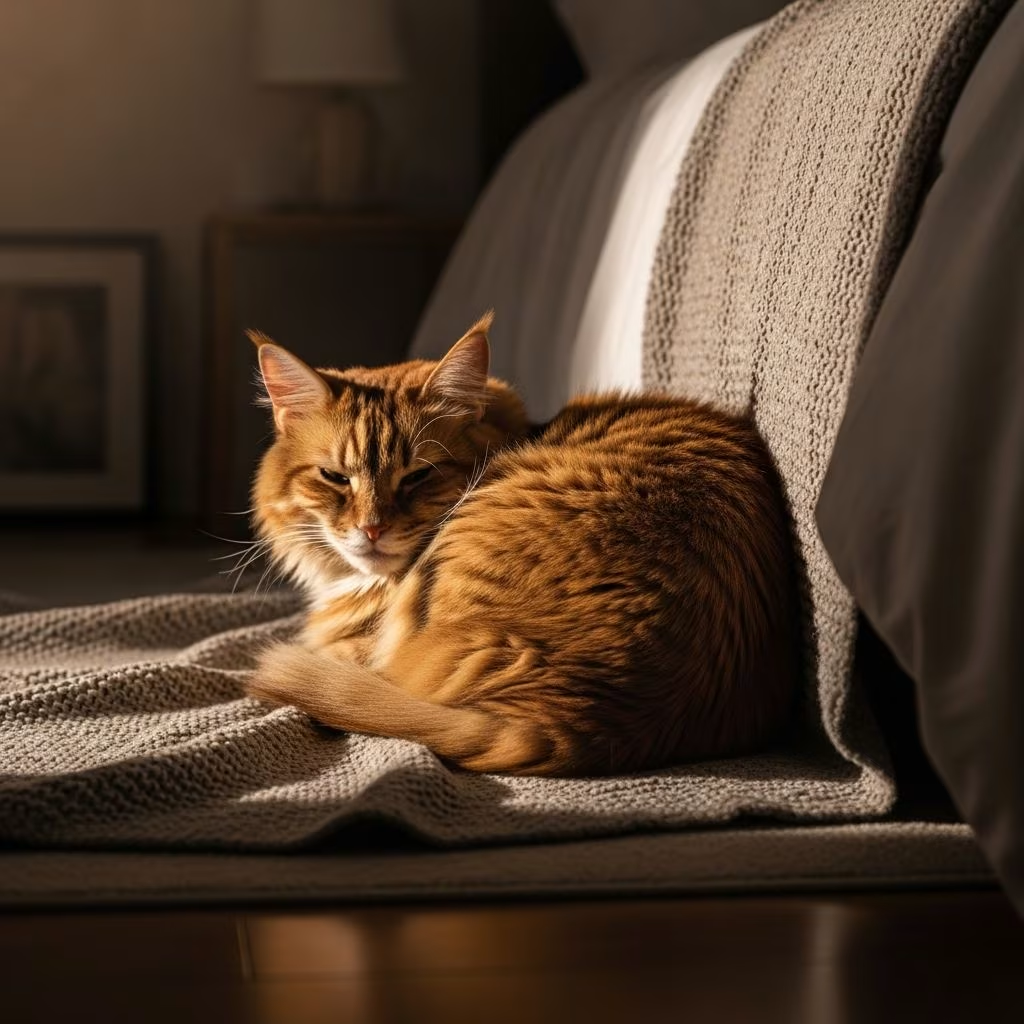
Cats are notorious for their quirky sleeping habits, often claiming the foot of the bed as their prime nighttime real estate. This behavior, while sometimes inconvenient for owners, stems from a combination of **instinctual drives**, **comfort preferences**, and **emotional bonds**. Cats sleep up to 15-16 hours a day, prioritizing spots that offer security, warmth, and proximity to their humans without full vulnerability. Understanding these reasons can deepen your appreciation for your cat’s choices and help create a more harmonious sleeping arrangement.
Instinctual Reasons: Safety and Vigilance
Cats descend from wild ancestors who needed to stay alert even during rest. Sleeping at the foot of the bed allows them a strategic vantage point to monitor the room while feeling protected by your presence. This position mimics elevated perches in nature, where cats could scan for threats below. As prey and predators, they balance rest with readiness—your bed’s edge provides an easy escape route if needed.
Unlike curling up directly on your chest, the foot offers stability; your lower body moves less during sleep, reducing disturbances. This spot lets cats maintain hyper-awareness, a remnant of survival instincts even in safe homes. Research on feline behavior notes that such positions protect vital organs while allowing quick reactions.
Seeking Warmth and Comfort
**Warmth** is a primary draw—cats’ body temperature preferences (around 101.5°F or 38.6°C) make your feet an ideal heat source. Feet emit steady warmth under blankets, mimicking the huddling of kitten litters for shared body heat. Soft bedding textures enhance this appeal, combined with your familiar scent for added comfort.
Cats avoid unstable spots like laps if they prefer independence, opting for the bed’s end where they can loaf or stretch without confinement. Common positions here include the “loaf” (paws tucked, ready to spring) or side-sleeping for relaxation with escape potential.
Bonding and Trust Signals
Sleeping near you signifies **deep trust**—cats are selective about vulnerability, choosing your feet to stay close while independent. This fosters companionship without overwhelming intimacy, reflecting their social bonds despite an aloof reputation. It’s affection on feline terms: proximity reassures them of your protection.
- Trust indicator: Exposing sides or loafing nearby shows safety in your presence.
- Bonding ritual: Consistent foot-sleeping strengthens owner-cat attachment.
- Voice/heartbeat comfort: Though at feet, they benefit from ambient human sounds.
Why Not the Lap or Head? Territorial and Habit Factors
Not all cats lap-sleep; feet offer autonomy for independent personalities. Habits form early—once claimed, the spot becomes routine. Multi-cat homes may see hierarchy play out, with dominant cats at feet to oversee others. Environmental factors like bed size influence choices; larger beds allow personal space.
Health and Age Influences on Sleeping Spots
Kittens seek feet for maternal warmth simulation, while seniors prefer stable, warm spots due to joint issues. Overweight or arthritic cats favor low-movement areas. Monitor changes: sudden shifts might signal health concerns like pain or anxiety.
| Sleeping Position | Meaning | Foot-of-Bed Relevance |
|---|---|---|
| Curled Ball | Heat conservation, organ protection | Common at feet for security |
| Side Sleep | Relaxed but alert | Escape-ready at bed edge |
| Loaf | Poised relaxation | Perfect for foot monitoring |
| On Feet | Warmth + proximity | Balances bond and independence |
How to Encourage or Discourage Foot Sleeping
To enhance comfort, add a heated pad or blanket at the foot—cats love consistent warmth. For better shared sleep, train with positive reinforcement: treats for a nearby cat bed.
- Provide alternatives: Elevated beds or window perches mimic instincts.
- Maintain routine: Clean, soft linens encourage return visits.
- Avoid disruption: Gradual redirection prevents stress.
Respecting their choice builds trust; forcing changes can cause anxiety.
Frequently Asked Questions (FAQs)
Why do cats sleep at the foot of the bed specifically?
Your feet provide warmth, stability, and a vigilant spot with escape access, blending instinct, comfort, and bonding.
Is it a sign of affection if my cat sleeps at my feet?
Yes, it shows trust and desire for closeness on their independent terms.
What if my cat suddenly stops sleeping at the foot of the bed?
This could indicate illness, stress, or environmental changes—consult a vet if persistent.
Do all cats sleep at their owner’s feet?
No, preferences vary by personality, age, and home setup; it’s common but individual.
How can I make the foot of the bed more comfortable for my cat?
Use warm blankets, heated beds, or dedicated pads while ensuring hygiene.
Should I worry if my cat sleeps in other positions at the foot?
Positions like loafing or side-sleeping are normal; exposed belly elsewhere signals high trust.
This comprehensive look reveals the multifaceted reasons behind cats’ foot-of-bed preference, rooted in evolution, physiology, and emotion. By accommodating these needs, you enhance your cat’s well-being and your shared nights.
References
- Why do cats sleep at the foot of the bed? — Tuft & Needle. 2023. https://www.tuftandneedle.com/blogs/wellness/why-do-cats-sleep-at-the-foot-of-the-bed
- Why Do Cats Sleep At Your Feet? — Mills Animal Hospital Marietta. 2024. https://millsmarietta.com/blog/why-do-cats-sleep-at-your-feet/
- Why Cats Sleep at Your Feet, According to Science — HowStuffWorks. 2024. https://animals.howstuffworks.com/pets/why-cats-sleep-at-your-feet.htm
- 20 Cat Sleeping Positions and What They Mean — PetMD. 2025-01-10. https://www.petmd.com/cat/general-health/cat-sleeping-positions-and-what-they-mean



