

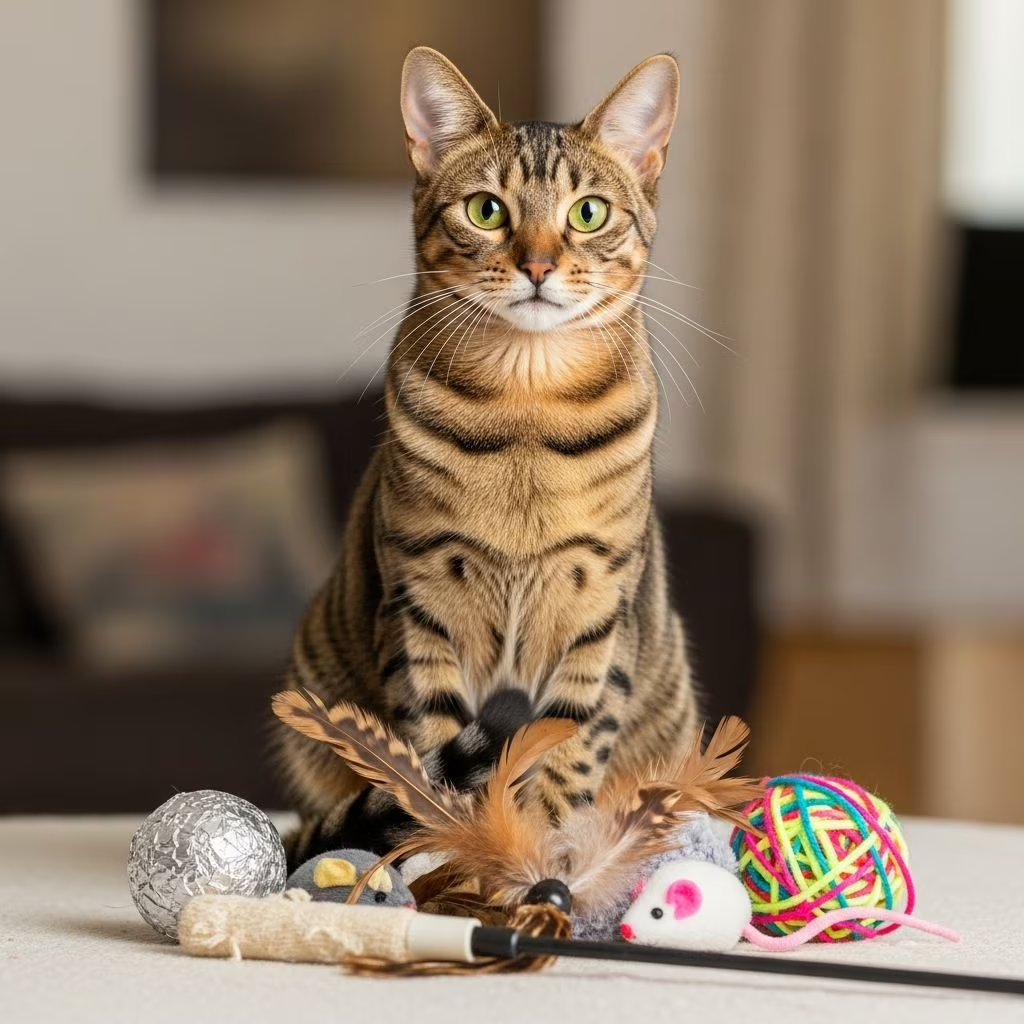
Cats exhibit a fascinating array of behaviors that often puzzle their owners, and one of the most common quirks is sitting on their toys. This seemingly odd habit stems from deep-rooted instincts, comfort-seeking tendencies, and playful nature, providing insights into feline psychology and enhancing the bond between cats and humans.
Understanding why cats perch atop their playthings reveals much about their wild ancestry and domestic adaptations. From marking territory to simply enjoying warmth, these actions are normal and multifaceted. This article delves into the 10 primary reasons, supported by veterinary insights, to help cat owners appreciate and respond to this endearing behavior.
Is It Normal for Cats to Sit on Their Toys?
Yes, it is completely normal for cats to sit on their toys. This behavior is a standard expression of their unique personality and instincts, varying slightly among individuals but universally tied to their interaction with the environment.
Cats’ quirky actions, including sitting on toys, strengthen the human-feline relationship by allowing owners to observe and interpret natural drives. Variations in behavior highlight the importance of individualized care, ensuring each cat’s needs for play, rest, and security are met.
The 10 Reasons Why Cats Sit on Their Toys
Below are the 10 key reasons cats engage in this behavior, drawn from expert observations and feline ethology. Each reason reflects a blend of instinct, comfort, and environmental response.
1. Ownership
Cats sit on toys to assert ownership, marking them with their scent and physical presence, much like wild ancestors claimed territory. This instinctual drive signals possession and dominance within the household, preventing others from accessing ‘their’ items.
2. Comfort
Many toys, particularly plush ones, provide a soft, cozy surface ideal for resting. Cats seek these spots for physical relaxation, akin to humans lounging on a favorite pillow, creating a soothing personal space.
3. Warmth
Cats adore warmth and often choose toys warmed by sunlight or proximity to heat sources. Sitting on them captures residual heat, offering comfort especially in cooler weather or for heat-loving felines.
4. Security
In stressful situations, a scent-marked toy acts as a security blanket, providing familiar reassurance. This self-comforting mechanism reduces anxiety, helping cats feel safe in unfamiliar settings.
5. Playtime Pause
During intense play sessions, cats sit on toys as a brief rest, conserving energy before resuming activity. This regulates their bursts of energy, balancing exertion with recovery.
6. Scent-Marking
By sitting, cats rub pheromones from facial glands onto toys, territorial marking to claim possessions. This is especially evident in multi-cat homes where resources are shared.
7. Hiding/Protecting
Mimicking wild prey-hiding, cats sit on toys to conceal them from competitors, protecting valued items. Common in multi-pet households, it guards against theft or dominance challenges.
8. Self-Soothing
When anxious, cats use familiar toys for emotional comfort, the scent and texture calming them like a stress-relief tool. This coping mechanism aids in managing household stressors.
9. Territorial Behavior
Sitting declares territory, signaling to other cats that the toy and surrounding area are off-limits. Rooted in natural boundary-setting, it maintains control over personal space.
10. Attention or Comfort Reinforcement
Sometimes, this draws owner interaction, reinforcing the behavior through response. Additionally, snuggling provides simple relaxation, blending play with rest.
Why Do Cats Become Possessive Over Toys?
Cats can grow possessive, especially in multi-cat homes, exhibiting resource guarding over toys as if they were prey. Signs include growling, hissing, carrying toys constantly, or increased fights.
This stems from survival instincts where hunters protected kills. Boredom or limited toys exacerbates it; providing ample stimulation and resources mitigates issues. Veterinary advice recommends monitoring for aggression spikes, consulting professionals if behavioral problems arise.
How Can You Encourage This Behavior (or Discourage It)?
- Encourage for Bonding: Place toys in warm, safe spots; rotate selections to maintain interest and allow natural scent-marking.
- Provide Variety: Offer multiple toys per cat to reduce competition, using interactive ones for mental engagement.
- Discourage if Problematic: Redirect with new toys or play sessions; ignore attention-seeking sits to avoid reinforcement.
- Enrich Environment: Add scratching posts, perches, and puzzles to fulfill instincts, minimizing over-attachment.
- Monitor Health: Excessive sitting might signal stress; ensure vet check-ups rule out issues.
Balancing encouragement and management fosters healthy habits, preventing possessiveness while honoring instincts.
Frequently Asked Questions (FAQs)
What does it mean when my cat sits on her toys?
It typically indicates ownership, comfort-seeking, or territorial marking. Observe context: warmth or multi-pet dynamics often play a role.
Is it a sign of stress if my cat sits on toys a lot?
Not always, but frequent self-soothing on toys can signal anxiety. Changes in environment or routine may contribute; enrich their space if needed.
Why does my cat only sit on certain toys?
Favored toys carry strong scents or offer optimal texture/warmth. Scent-marked favorites become security items over time.
Should I take toys away if my cat guards them?
Provide extras to avoid conflict. If aggression persists, consult a vet or behaviorist for tailored advice.
Do all cats sit on their toys?
No, but it’s common across breeds due to shared instincts. Personality and environment influence frequency.
Table: Common Reasons vs. Contexts
| Reason | Common Context | Multi-Cat Home? |
|---|---|---|
| Ownership/Territorial | After play | Yes |
| Comfort/Warmth | Sunny spots | No |
| Security/Self-Soothing | Stressful changes | Sometimes |
| Protecting/Hiding | Other pets present | Yes |
| Play Pause | During sessions | No |
This table summarizes triggers, aiding quick identification of your cat’s motives.
In conclusion, cats sitting on toys enriches our understanding of their world. By addressing these instincts thoughtfully, owners create harmonious homes. Embrace the quirk—it’s a window into your cat’s joyful, instinct-driven life.
References
- Why Do Cats Sit on Their Toys? 10 Possible Reasons — Hepper. 2023-10-15. https://articles.hepper.com/why-do-cats-sit-on-their-toys/
- Why do cats sit on their toys? An expert reveals 5 fascinating reasons — PetsRadar (Dr. Rebecca MacMillan). 2023-08-20. https://www.petsradar.com/cats/why-do-cats-sit-on-their-toys
- Why Your Cat Always Has to Sit on Whatever You’re Using — Kinship (Dr. Nita Vasudevan). 2024-02-10. https://www.kinship.com/cat-behavior/why-does-my-cat-sit-on-household-items



