

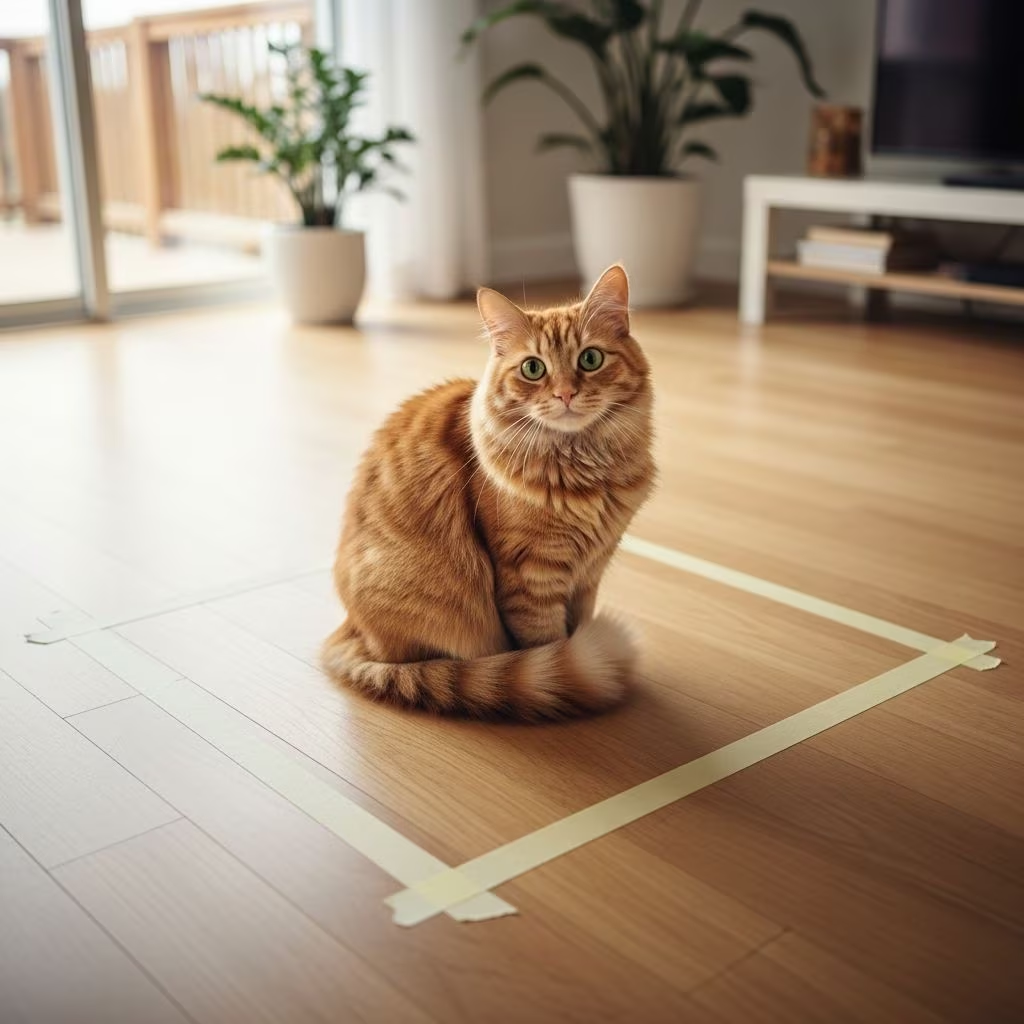
Cats have an inexplicable fascination with squares, whether it’s a cozy pillow, a folded blanket, or even a simple outline made from painter’s tape on the floor. This quirky behavior, often captured in viral videos and the popular internet meme “If I fits, I sits,” leaves cat owners amused and curious. But what’s really going on in your feline friend’s mind? Experts, including veterinarians and animal behaviorists, have proposed several theories to explain this phenomenon. In this comprehensive guide, we dive into the 8 possible reasons why cats sit on squares, explore their love for boxes, and address common related questions about cat behavior.
Understanding these instincts not only enhances our appreciation for our pets but also helps us create better environments for them. From evolutionary traits to simple comfort-seeking, cats’ affinity for geometric shapes reveals much about their wild ancestors and domesticated lives.
The 8 Possible Reasons Why Cats Sit on Squares
Cats’ preference for squares isn’t random. Here are the top eight vet-reviewed explanations, drawn from observations and studies on feline behavior.
1. Territory Marking
One of the primary reasons cats plop down on squares is to mark their territory. Domestic cats descend from solitary hunters like the African wildcat, which fiercely defend personal space. By sitting on a square—even a taped outline—your cat claims it as their own. Their anal glands, paw pads, and cheeks release pheromones (scent markers) onto the surface, signaling to other cats (or pets in the home) that this spot belongs to them. This behavior is instinctual and helps reduce stress in multi-pet households.
2. A Sense of Security
Squares provide an illusion of enclosure, mimicking the safety of a box or den. Cats, as both predators and prey in the wild, seek confined spaces to monitor surroundings while feeling protected. Even flat tape squares have defined edges that trick the cat’s brain into perceiving boundaries, offering psychological comfort. Research shows shelter cats with access to boxes exhibit lower stress levels, adapting faster to new environments.
3. Comfort
Many squares, like cushions or laundry piles, offer plush seating. The flat, stable surface with slightly raised edges provides ergonomic support, cushioning joints and distributing weight evenly. For indoor cats spending hours lounging, this beats hard floors. Soft fabrics also retain body heat, enhancing coziness.
4. The Perfect Fit
The mantra “If I fits, I sits” captures cats’ knack for squeezing into spaces matching their body size. Squares and rectangles align well with a cat’s rectangular torso and tucked limbs, allowing a compact, energy-conserving posture. This is especially evident in kittens but persists lifelong. A 2021 citizen science study confirmed cats treat illusory squares (optical illusions suggesting boundaries) just like real ones, sitting in them equally often.
5. Temperature Regulation
Cats are masters of thermoregulation, preferring temperatures between 86–97°F (30–36°C). Squares insulate better than open floors; edges trap warmth like mini-walls. In winter, this is crucial. Many commercial cat beds are square for this reason, as the design minimizes heat loss. Sun-warmed squares become prime real estate on cooler days.
6. Familiarity
Cats thrive on routine. If introduced to square beds or boxes early, they associate the shape with safety and rest. Over time, any square becomes a “comfort zone,” explaining why your cat returns to the same taped spot daily. This habituation strengthens with positive experiences like napping or grooming there.
7. Balance
Flat, even squares offer superior stability, vital for senior cats or those with arthritis. Uneven surfaces challenge balance, but a square’s predictable edges prevent slipping. This is particularly helpful for overweight or mobility-impaired felines, reducing fall risks during rest.
8. Curiosity
Cats are notoriously curious, investigating novel shapes. A fresh tape square disrupts the environment, triggering exploration. Once sat upon, it may become a favorite due to reinforcement from comfort or marking. The #CatSquare social media trend in 2017 highlighted how quickly cats investigate outlines.
Why Do Cats Sit in Boxes?
Boxes take the square obsession to the next level. Cardboard boxes provide three-dimensional security: high sides block threats, retain heat, and muffle sounds. A University of Utrecht study found shelter cats with boxes showed reduced stress hormones and faster socialization.
- Safety and Warmth: Enclosed spaces swaddle like a mother’s embrace, releasing endorphins.
- Control: Elevated vantage or hidden nooks give cats oversight without exposure.
- Texture Appeal: Cardboard’s crinkle satisfies play instincts.
Cats even opt for “fake” boxes, like tape squares, due to poor close-up vision—they perceive outlines as real boundaries. A Hunter College study using Kanizsa squares (illusory figures from partial circles) showed cats sitting in illusions 50% of the time, matching real squares.
Related Cat Behaviors
Loafing
The “cat loaf”—sitting with paws tucked under, resembling bread—is a relaxation signal. It conserves heat, protects vulnerable belly, and indicates trust in the environment. Common on squares for stability.
Circling
Before settling, cats circle to pat down surfaces, check for pests, and deposit scents. This prepares the spot, ensuring security.
Frequently Asked Questions (FAQs)
Do Cats Have Scent Glands on Their Head?
Yes, cats possess scent glands on their forehead, cheeks, and chin. These release pheromones when rubbing, marking territory or showing affection. Head-butts (bunting) bond with owners.
Why Do Cats Love Circles Too?
Like squares, circles (e.g., hula hoops) create perceived enclosures. Test it: tape a circle—many cats enter if it fits.
Is It Normal for Cats to Ignore Huge Boxes?
Absolutely. Cats prefer snug fits over spacious ones for security.
How Can I Encourage Safe Square-Sitting?
Provide cat beds, tunnels, or window perches in squares. Avoid toxic tapes; use pet-safe options.
| Reason | Benefit to Cat | Example |
|---|---|---|
| Territory Marking | Reduces competition stress | Tape square on floor |
| Security | Lowers cortisol | Cardboard box |
| Comfort/Fit | Joint support | Pillow |
| Temperature | Warmth retention | Blanket fold |
References
- Why Do Cats Sit on Squares, Even If It’s Just Tape? 8 Vet-Reviewed Reasons — Catster. 2023. https://www.catster.com/cat-behavior/why-do-cats-sit-on-squares/
- ‘If I Fits I Sits’: The Science Behind Cats Sitting in Squares — HowStuffWorks. 2021. https://animals.howstuffworks.com/pets/cats-in-squares-study-news.htm
- Why Do Cats Love Boxes So Much? — Discover Magazine. 2023. https://www.discovermagazine.com/why-do-cats-love-boxes-so-much-45376
- Why Do Cats Love Boxes and Squares? — Blue Buffalo. 2023. https://www.bluebuffalo.com/articles/cat/why-do-cats-love-boxes-and-squares/



