

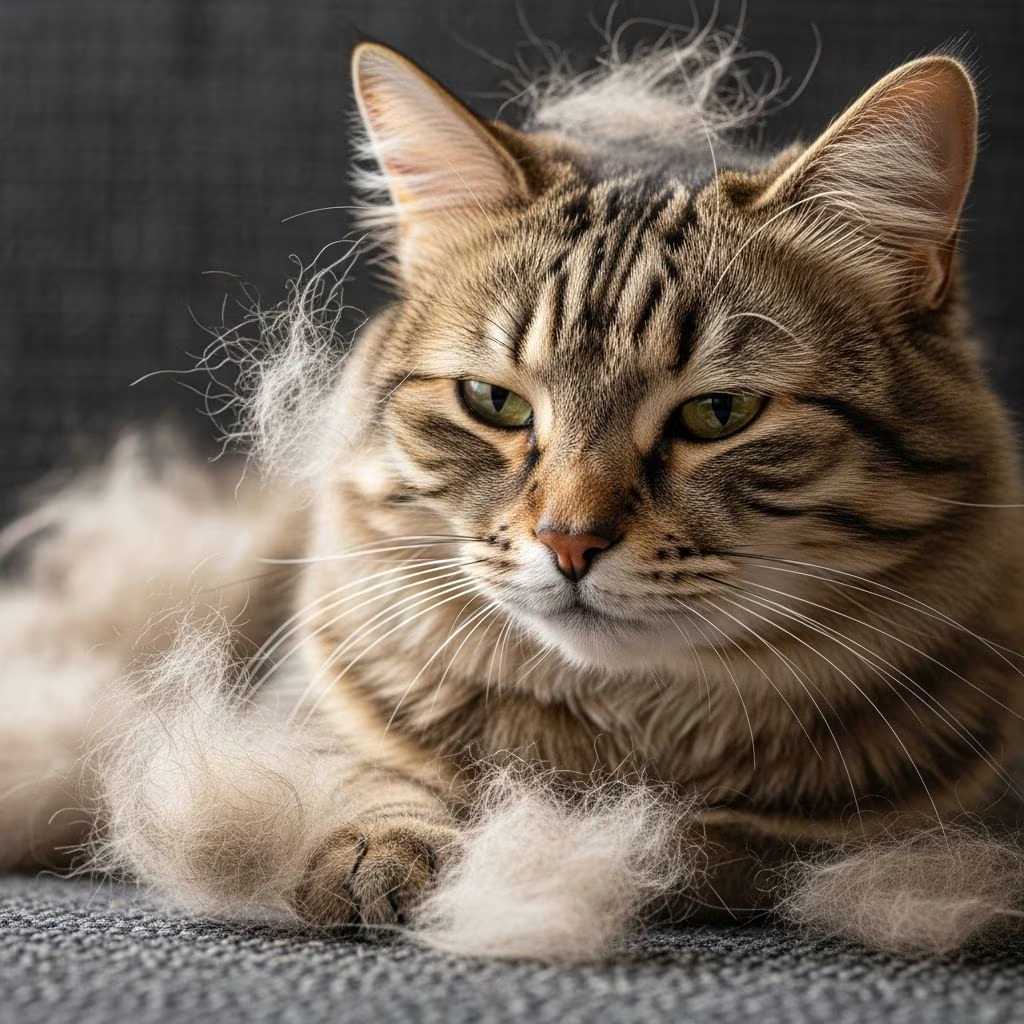
Cats are renowned for their grooming habits and luxurious coats, but excessive shedding can leave pet owners buried in fur. Shedding is a natural process where cats lose dead hair to make way for new growth and distribute natural oils across their skin. However, when shedding becomes overwhelming, it may signal underlying issues like diet deficiencies, stress, parasites, allergies, or medical conditions. Understanding the reasons behind why cats shed so much empowers owners to take proactive steps for their pet’s health and home cleanliness.
This comprehensive guide covers the natural shedding cycles, factors influencing shedding intensity, potential health concerns, management strategies, and expert advice on grooming and nutrition. By the end, you’ll know how to distinguish normal shedding from problematic hair loss and when to seek veterinary care.
Why Do Cats Shed?
Shedding is an essential biological function for cats, similar to other mammals. It serves multiple purposes: removing dead hair that grooming misses, regulating body temperature by adjusting coat thickness, and spreading natural oils from skin glands to maintain coat health and waterproofing. Cats spend up to 50% of their waking hours grooming, but shedding ensures old, damaged hairs are shed to allow healthy new ones to emerge.
Indoor cats often shed more consistently than outdoor ones due to artificial lighting, air conditioning in summer, and heating in winter, which disrupt their natural circadian rhythms and seasonal cues. Long-haired breeds like Persians shed more visibly than short-haired ones like Siamese, though all cats shed daily in small amounts. Typically, cats experience one or two major shedding cycles annually, but environmental factors can make it seem constant.
When Do Cats Shed the Most?
Cats shed most heavily during seasonal transitions, particularly spring and fall. In spring, they lose their thick winter undercoat to prepare for warmer weather, resulting in tufts of fur everywhere. Fall shedding replaces the lighter summer coat with insulation for colder months. These cycles align with daylight changes and temperature shifts in nature.
For indoor cats, consistent shedding occurs year-round because stable indoor climates confuse their shedding triggers. Owners often notice peaks around holidays when home environments change, like installing Christmas trees or rearranging furniture. Monitoring patterns helps differentiate normal seasonal shedding from excessive loss.
Normal vs. Abnormal Cat Shedding
Not all shedding is cause for alarm. Normal shedding involves even hair distribution across the body, with increased amounts during seasonal changes but no bald spots, skin irritation, or behavioral shifts. Cats maintain their grooming routine, and fur loss doesn’t exceed what daily brushing captures.
Abnormal shedding, however, presents with patchy baldness, excessive scratching, red or scaly skin, dull coat, or sudden spikes in fur volume unrelated to seasons. If shedding accompanies weight loss, lethargy, vomiting, or appetite changes, it warrants immediate vet attention. Early detection improves outcomes for treatable conditions.
Reasons Your Cat Might Be Shedding More Than Usual
Several non-medical factors can amplify shedding. Here’s a breakdown:
- Food Quality: Poor nutrition leads to dry skin and weak hair follicles. Diets lacking omega-3 fatty acids, proteins, and vitamins result in brittle fur that sheds easily. High-quality, AAFCO-approved cat food supports coat health.
- Stress: Changes like new pets, moves, or loud noises prompt over-grooming or under-grooming, increasing hair loss. Stressed cats may hide, eat less, or vocalize excessively.
- Age: Senior cats groom less due to arthritis or reduced flexibility, leading to matted fur and higher shedding. Kittens shed as they outgrow baby fur.
- Pregnancy/Lactation: Hormonal surges cause temporary heavy shedding in queens, resolving post-weaning.
Medical Causes of Excessive Shedding in Cats
Health issues often underlie sudden or severe shedding. Common culprits include:
- Parasites: Fleas, mites, and lice irritate skin, causing itching and hair pulling. Flea allergy dermatitis affects sensitive cats dramatically, even with few visible pests.
- Allergies: Food, environmental (pollen, dust), or contact allergies (cleaners) provoke scratching and shedding. Symptoms mimic seasonal shedding, complicating diagnosis.
- Skin Infections: Bacterial pyoderma or fungal ringworm create crusty lesions and diffuse hair loss.
- Systemic Diseases: Hyperthyroidism, kidney disease, diabetes, liver issues, or Cushing’s disease disrupt hair cycles. Cancer or immune disorders can also manifest as alopecia.
- Behavioral Disorders: Psychogenic alopecia from compulsive licking stems from anxiety, not true shedding.
| Condition | Symptoms | Treatment |
|---|---|---|
| Parasites | Itching, dandruff, hot spots | Topical/oral preventives, medicated baths |
| Allergies | Red skin, ear infections, paw licking | Allergy testing, hypoallergenic diet, antihistamines |
| Hyperthyroidism | Weight loss, increased appetite, vomiting | Medication, surgery, radioactive iodine |
| Kidney Disease | Lethargy, bad breath, thirst | Dietary management, fluids, medications |
8 Tips to Manage Cat Shedding
Reducing shedding improves your cat’s comfort and your home’s hygiene. Implement these strategies:
- Regular Brushing: Use a slicker brush or de-shedding tool 3-5 times weekly to remove loose fur and distribute oils. Start slow to build trust.
- Quality Nutrition: Feed premium wet or dry food rich in fish oil, biotin, and zinc. Add omega supplements if vet-approved.
- Bathing: Occasional waterless shampoos or vet-recommended baths control heavy shedding without drying skin.
- Environmental Control: Use air purifiers, frequent vacuuming, and lint rollers. Wash beds weekly in hot water.
- Stress Reduction: Provide scratching posts, pheromone diffusers, and quiet retreats. Maintain routines.
- Grooming Toys: Self-grooming brushes on walls encourage daily fur removal.
- Humidifiers: Combat dry air from heating/AC to prevent static cling and excess shedding.
- Professional Grooming: For longhairs, schedule trims to prevent mats.
Best Tools for Cat Grooming and De-Shedding
Invest in effective tools:
- Furminator de-shedding rake for undercoat removal.
- Slicker brushes for surface hair.
- Rubber curry combs for massage and loose fur.
- HEPA vacuums with pet tools for cleanup.
Choose stainless steel pins to avoid rust and skin pulls. Always brush in the direction of hair growth.
Why Should You See Your Vet About Cat Shedding?
Consult a vet if shedding persists despite home care, or accompanies symptoms like bald patches, scabs, odor, or behavioral changes. Diagnostic tests (skin scrapes, bloodwork, biopsies) pinpoint causes. Early intervention prevents complications; for instance, untreated hyperthyroidism worsens shedding and organ damage. Vets may prescribe flea preventives, antibiotics, or diet trials. Regular check-ups catch issues proactively.
Frequently Asked Questions (FAQs)
What causes excessive shedding in cats?
Excessive shedding stems from seasonal changes, poor diet, stress, age, parasites, allergies, infections, or diseases like hyperthyroidism and kidney issues.
Do indoor cats shed more?
Yes, indoor cats shed year-round due to artificial light and temperature controls disrupting natural cycles.
How often should I brush my shedding cat?
Brush daily during peak seasons, 3-5 times weekly otherwise, adjusting for coat length.
Can diet reduce cat shedding?
Absolutely—nutrient-rich foods with omegas strengthen fur, minimizing loss.
When is cat shedding a vet emergency?
If accompanied by bald spots, itching, lethargy, or appetite loss, see a vet promptly.
References
- Why is my cat shedding so much? — Pico Rivera Veterinary Specialists. 2022-08-30. https://www.picoriveravet.com/site/blog/2022/08/30/cat-shedding
- My Cat is Shedding a Lot. What Does it Mean? — Zoetis Petcare. Accessed 2026. https://www.zoetispetcare.com/blog/article/cat-shedding
- Why is my cat shedding so much? — Chuckanut Valley Veterinary Clinic. 2024-07-15. https://www.chuckanutvet.com/site/blog/2024/07/15/cat-shedding
- Why is my cat shedding so much? — Animal Friends Dermatology. 2024-07-15. https://www.animalfriendsdermatology.com/site/blog/2024/07/15/why-cat-shedding-much
- All Cats Shed, But What’s Normal, And What’s Not? — Cat Care of Vinings. Accessed 2026. https://catcareofvinings.com/blog/all-cats-shed-but-whats-normal-and-whats-not/



