

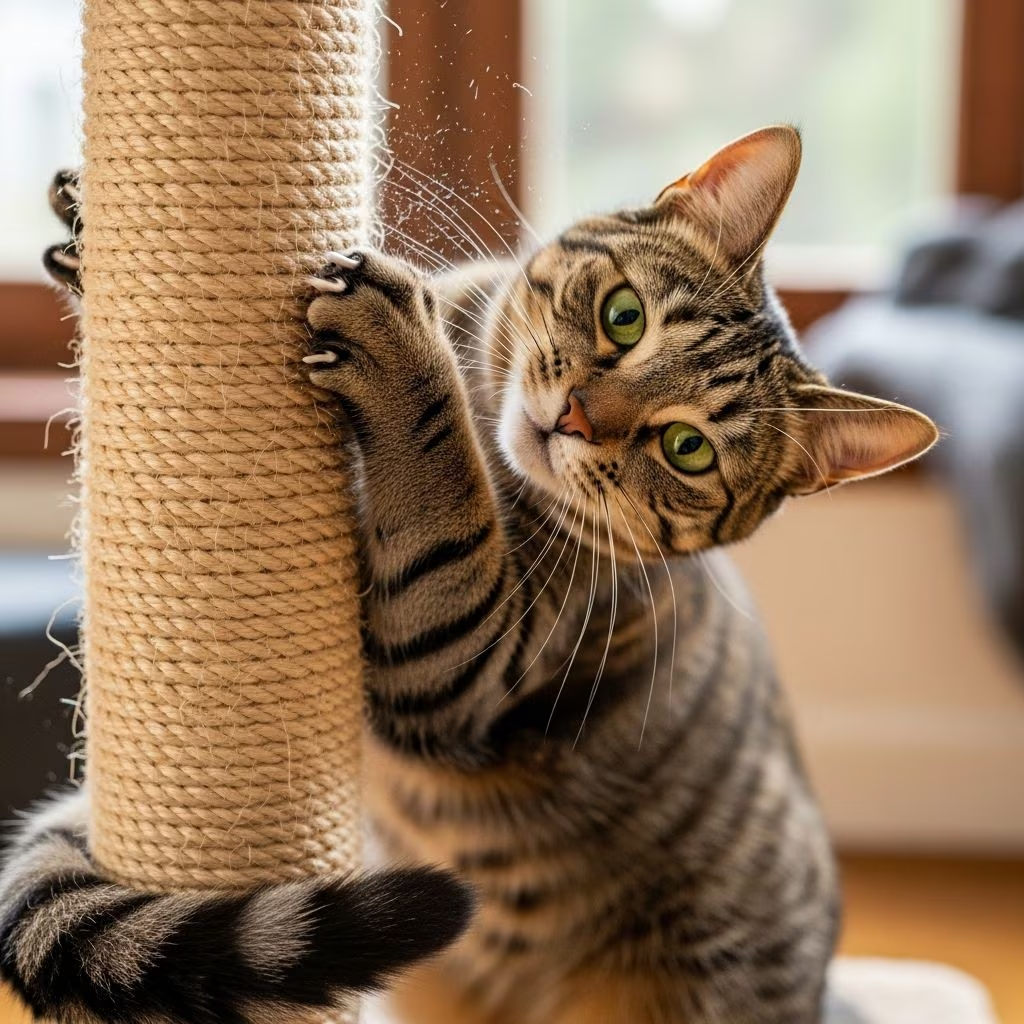
Cats scratch for several instinctual reasons that are essential to their physical and emotional well-being. This natural behavior serves purposes like territory marking, claw maintenance, stretching muscles, stress relief, and communication with other cats.
Reasons Cats Scratch
Scratching is a multifaceted behavior rooted in a cat’s biology and instincts. Understanding these reasons helps cat owners address it appropriately rather than viewing it as destructive.
Marking Territory
One primary reason cats scratch is to mark their territory. They have scent glands in their paw pads that release pheromones when they scratch surfaces, leaving both a visual mark (scratches) and an olfactory signal (scent). This communicates ownership to other cats: “This is my space!” Indoor cats often target furniture where humans sit because it’s a high-value area in their territory.
In multi-cat homes or areas with outdoor cats visible, scratching increases as a way to assert boundaries, especially near windows or doors. Changes like new pets or visitors can heighten this territorial response.
Maintaining Claws
Cats’ claws grow continuously, and the outer sheath must be shed regularly, similar to how snakes shed skin. Scratching removes these dead husks, sharpening the underlying claws and preventing overgrowth. Without adequate scratching opportunities, nails can become painful or ingrown, leading to health issues.
Stretching and Exercise
Scratching provides a full-body stretch, engaging muscles in the shoulders, back, and legs. It strengthens these muscles, which are crucial for hunting and agility—key survival skills from wild ancestors. After naps, cats often scratch to loosen up, promoting physical health.
Stress Relief and Emotional Regulation
Scratching releases endorphins, helping cats cope with anxiety, overstimulation, fear, or frustration. It’s a self-soothing mechanism during stressful events like household changes, new animals, or boredom. Excessive scratching in new areas often signals underlying anxiety.
Play and Excitement
During high-energy play, cats scratch to mark play territories or release excitement. Overstimulation from rough play can lead to swipes as a way to say, “That’s enough!”
Attention-Seeking
Cats learn that scratching furniture elicits reactions from owners, whether scolding or redirection attempts. Any attention reinforces the behavior, as cats prioritize interaction over its nature.
Defensive or Warning Behavior
Occasionally, scratching people or objects serves as a defensive tactic when a cat feels threatened. It’s a signal to back off, often during overstimulation or fear.
What Do Cats Like to Scratch?
Cats prefer textures and surfaces mimicking natural ones. Outdoors, they target logs and trees; indoors, they seek sturdy, tall vertical posts for full stretches or horizontal rugs for claw maintenance.
- Vertical surfaces: Couch sides, furniture legs, door frames—ideal for territory marking and stretching.
- Horizontal surfaces: Carpets, rugs—for claw sharpening and stress relief.
- High-traffic areas: Near entrances, windows, or family spots to maximize visibility and scent spread.
Preferences vary by cat: some love sisal rope, others cardboard or carpeted posts. Observe your cat to match textures.
Why Do Cats Scratch Furniture and How to Stop It
Furniture scratching occurs because it meets multiple needs: soft textures for claws, human scent for marking, and prominent locations. Punishment fails as it increases stress, worsening the issue.
Provide Appropriate Alternatives
Offer multiple scratching posts in preferred locations. Tall (at least 3 feet), sturdy posts allow full stretches without toppling.
| Scratching Surface | Best For | Pros | Cons |
|---|---|---|---|
| Sisal Rope/Post | Territory marking, stretching | Durable, natural feel | May shed fibers |
| Cardboard Scratcher | Claw maintenance, play | Affordable, disposable | Wears out quickly |
| Carpeted Post | Indoor cats mimicking rugs | Soft, familiar | Less claw-sharpening |
| Horizontal Rug | Stress relief | Easy access | Can attract to floors |
Placement Tips
- Near problem areas (e.g., by couch).
- Multiple options: one per cat plus one extra.
- In quiet spots initially, then move to high-traffic.
Encourage Use
Attract with catnip, toys, or dangling string on posts. Praise and reward with treats when used. Use pheromone sprays on posts to mimic appealing scents.
Discourage Inappropriate Scratching
Never yell or punish—cover furniture with plastic or double-sided tape temporarily. Trim nails regularly to minimize damage. If persistent, check for anxiety triggers.
Types of Scratching Posts
Choosing the right post prevents dissatisfaction and continued furniture use.
- Vertical Posts: Essential for stretching; sisal-covered best for claw shedding.
- Horizontal Scratchers: Cardboard flats for lounging and scratching.
- Cat Trees: Multi-level with integrated posts for play and marking.
- Wall-Mounted: Space-saving vertical options.
Test durability: posts should not wobble. Replace worn ones promptly.
Training Your Cat to Use a Scratching Post
Training leverages positive reinforcement.
- Place post near favored scratching spot.
- Spray with catnip or pheromones.
- Gently place cat’s paws on post and mimic scratching motion.
- Reward immediately with praise/treats.
- Gradually relocate post.
- Ignore unwanted scratching; redirect calmly.
Consistency is key; most cats adapt in 1-4 weeks.
Frequently Asked Questions (FAQs)
Why do cats scratch the furniture?
Cats scratch furniture to mark territory with scent glands in paws, stretch muscles, maintain claws, or relieve stress. It mimics natural tree scratching.
Will my cat stop scratching if I declaw it?
No, declawing is painful and can cause behavioral issues like biting or litter avoidance. Provide posts instead. (Note: Many sources oppose declawing.)
How do I stop my cat from scratching the couch?
Offer appealing posts nearby, use deterrents on couch, trim nails, and reward post use. Address anxiety if excessive.
Why does my cat scratch me?
Usually play, overstimulation, or defense. Redirect to toys and respect boundaries.
Do all cats scratch?
Yes, it’s instinctual for claw health and communication. Even outdoor cats need indoor options.
How often should I trim my cat’s nails?
Every 2-4 weeks for indoor cats to reduce damage while allowing natural wear.
Is Excessive Scratching a Sign of a Problem?
Sudden or widespread scratching indicates anxiety from changes, medical pain, or resource competition. Consult a vet to rule out issues like arthritis or hyperthyroidism, then a behaviorist if needed.
Monitor for signs: appetite changes, hiding, urine marking.
References
- Why Do Cats Scratch? — San Diego Humane Society. 2023. https://sdhumane.org/resources/why-do-cats-scratch/
- Cat Behavior Problems – Scratching Behavior — VCA Animal Hospitals. 2024. https://vcahospitals.com/know-your-pet/cat-behavior-problems—scratching-behavior
- Why Do Cats Scratch? — Chewy. 2023. https://www.chewy.com/education/cat/training-and-behavior/why-do-cats-scratch
- Claw-some Benefits: Why Scratching is Key to Your Cat’s Health — Providence Veterinary Hospital. 2024. https://providencevetva.com/claw-some-benefits-why-scratching-is-key-to-your-cats-health/
- A Cat Owner’s Guide to Scratching — Memorial Villages Animal Hospital. 2023. https://mvahpets.com/a-cat-owners-guide-to-scratching/
- Cats and Scratching — American Humane Society. 2022. https://www.americanhumane.org/public-education/scratching/



