

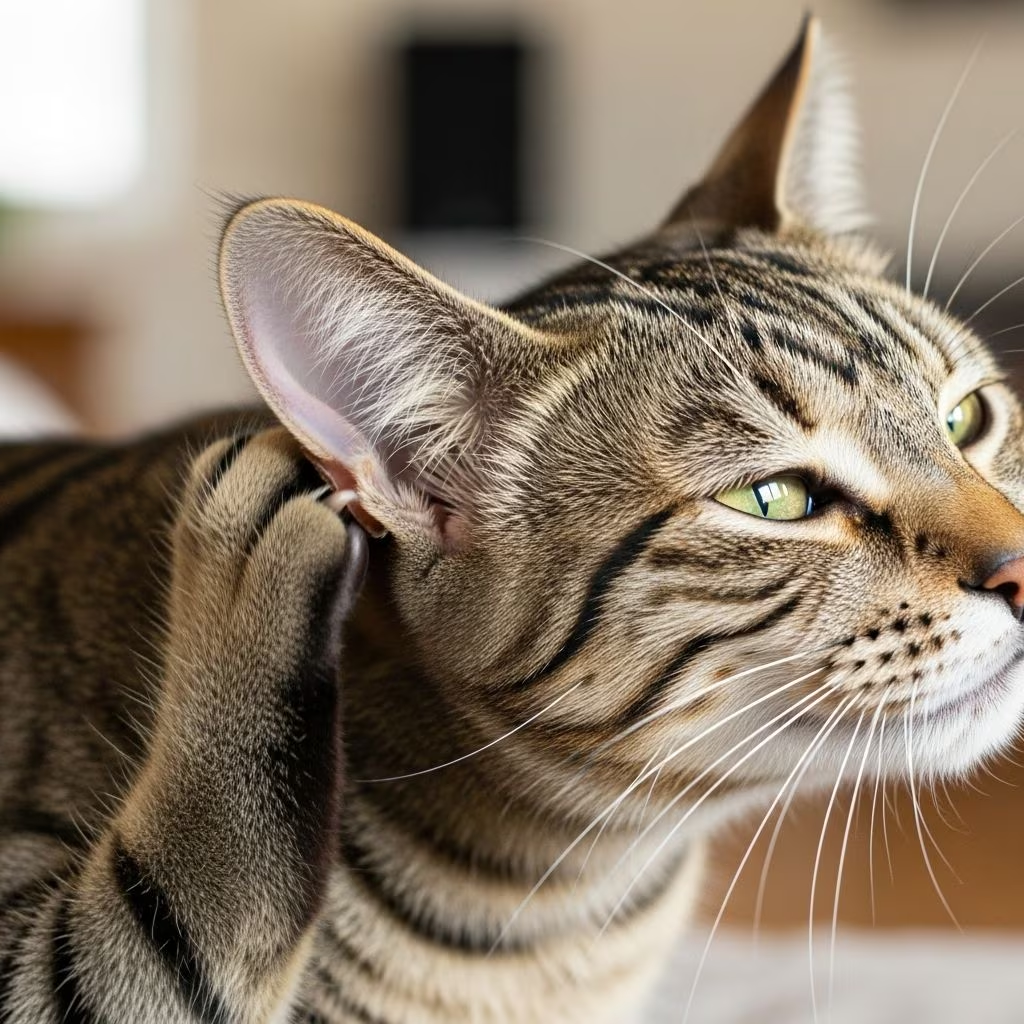
Why Do Cats Scratch Their Ears? Understanding Your Feline’s Behavior
If you’ve noticed your cat frequently scratching, rubbing, or shaking their ears, you’re not alone. Ear scratching is a common feline behavior that can range from completely normal grooming to a sign of an underlying health issue. Cats have incredibly sensitive ears that are susceptible to various problems, and understanding what triggers excessive scratching is essential for every cat parent. This comprehensive guide will help you identify the causes of ear scratching in cats and determine when professional veterinary care is necessary.
Natural Grooming Behaviors in Cats
Before jumping to conclusions about health problems, it’s important to recognize that ear scratching is a natural and normal behavior in cats. Grooming serves multiple biological functions beyond just keeping your cat clean. Regular grooming helps regulate body temperature, reduces stress levels, and even strengthens a cat’s scent profile, allowing them to mark their territory and communicate with other felines.
Those gentle ear scratches and head rubs your cat engages in are more than just removing dust or debris. They also stimulate nerve endings in the ear, which can feel incredibly satisfying to your cat—similar to how a good stretch feels to humans. When your cat’s grooming behavior is healthy and normal, you’ll typically observe:
- A few gentle ear scratches after meals or grooming sessions
- Brief, occasional ear rubbing during daily cleaning routines
- Light head shaking to dislodge dust or debris naturally
The key distinction is frequency and intensity. Normal grooming is gentle and intermittent, whereas problematic ear scratching is persistent, vigorous, and often accompanied by other symptoms.
Recognizing Abnormal Ear Scratching Behavior
While some ear scratching is completely normal, excessive scratching signals that something may be wrong. Abnormal grooming behaviors warrant immediate attention and investigation. Signs that your cat’s ear scratching has crossed from normal to concerning include:
- Persistent, intense ear scratching that continues without relief
- Repeated head shaking accompanied by whining or vocalizing
- Aggressive rubbing of ears against furniture or the floor
- Visible redness or swelling in the ear area
- Reluctance to have their ears touched
Additionally, behavioral changes can reveal underlying ear problems. If your previously content cat suddenly becomes restless and focused on their ears, it’s time to investigate further. Watch for head tilting toward the affected ear, increased sensitivity when you touch near the ears, reluctance to eat or play, and sudden shifts in temperament.
Common Causes of Ear Scratching in Cats
Ear Mites
Ear mites are among the most common parasitic causes of ear scratching in cats. These microscopic parasites thrive in the warm, moist environment of a cat’s ear canal. If your cat has ear mites, you’ll often notice intense itchiness that leads to increased scratching and vigorous head shaking. One telltale sign of ear mites is the presence of dark, coffee ground-like debris in the ear canal. These tiny dark particles are actually mite feces and skin debris accumulation. Because ear mites are highly contagious, they can spread quickly between cats in multi-cat households, making prompt treatment essential.
Allergies
Cats can develop allergies just like humans, and allergies are a frequent cause of ear itching and scratching. When a cat is exposed to an allergen, it triggers an allergic reaction that often manifests as itching not just in the ears but throughout the body. Food allergies are often the most common reason for persistent ear itching. Common allergens include:
- Environmental allergens: pollen, dust, mites
- Food allergens: chicken, beef, and other ingredients
- Household products: certain cleaning supplies or materials
The ear canal’s warm, confined, and dark environment can greatly exaggerate inflammatory reactions caused by food allergies. When inflammation occurs inside the ears, it increases moisture and temperature, creating a perfect breeding ground for secondary yeast and bacterial infections.
Ear Infections
Bacterial or yeast infections are common causes of ear scratching in cats. Infections often develop when moisture or debris accumulates in the ear canal, creating an ideal environment for harmful microorganisms to multiply. Cats with ear infections often scratch their ears vigorously. Look for telltale signs including:
- Redness and swelling of the ear tissue
- Foul-smelling discharge or odor
- Thick, colored discharge suggesting bacterial infection or pus buildup
- Clear, watery discharge potentially indicating allergic reactions
Some cat breeds are more prone to ear infections than others. Persian and Himalayan cats produce more ear wax than other breeds and are also more susceptible to infections and ringworm, which can result in excessive ear scratching.
Foreign Objects and Debris
Cats are curious creatures, and sometimes this curiosity gets them into trouble. Foreign objects or debris can become lodged in a cat’s ear canal, causing irritation and persistent scratching. While spending time outdoors, your cat may catch grass seeds, small insects, or dirt in their ears. When not dislodged or removed promptly, these foreign bodies irritate the sensitive ear tissue, leading to discomfort and increased scratching.
Skin Conditions and Dermatitis
Underlying skin conditions can contribute to ear scratching behavior. Dermatitis and other skin disorders can lead to itching and scratching, particularly in the ear area. Environmental factors such as humidity levels and weather changes can also affect your cat’s skin health and contribute to excessive scratching.
Injuries and Trauma
Cats may scratch at their ears if they’ve suffered injuries from playing, fighting, or accidents. These attacks can cause lacerations, punctures, and other wounds that may lead to infection. Ear-related trauma can also result in aural hematomas, which are blood- or fluid-filled pockets on the inside of the ear flap.
Behavioral and Stress-Related Scratching
Stress and anxiety can manifest as repetitive ear scratching. Cats may resort to over-grooming as a self-soothing mechanism to cope with boredom, an unstimulating environment, or anxiety. When cats lack proper enrichment or mental stimulation, they may focus excessively on grooming behaviors, including ear scratching, as a way to manage stress.
How to Assess Your Cat’s Ears: What to Look For
Performing a careful examination of your cat’s ears can provide valuable clues about what’s causing the scratching. Start by looking at the ear flap and ear canal. Note any visible changes in appearance, discharge, odors, or behavioral responses. Here’s what to look for:
| Sign | Possible Cause | Action Required |
|---|---|---|
| Dark, coffee ground-like debris | Ear mites | Schedule veterinary appointment |
| Clear, watery discharge | Allergic reaction or minor irritation | Monitor and consult vet if persistent |
| Thick, colored discharge | Bacterial infection or pus | Seek immediate veterinary care |
| Foul odor | Infection (bacterial or yeast) | Veterinary examination needed |
| Redness and swelling | Infection or inflammation | Professional evaluation recommended |
| Excessive ear wax buildup | Poor ear health or allergies | Consult veterinarian |
Behavioral changes can reveal underlying ear problems. Pay close attention to how your cat is acting, especially if their grooming habits have suddenly shifted. Any combination of abnormal signs warrants further investigation and professional assessment.
When to Consult a Veterinarian
Cat ear infections and infestations can be serious if left untreated. While some ear scratching is normal, certain situations require professional veterinary care. Consult your veterinarian if your cat exhibits:
- Excessive scratching that doesn’t improve after a few days
- Redness in the ear flaps or ear canal
- Ears that appear painful or sensitive to touch
- Frequent head shaking or head tilting
- Ear discharge with a foul odor
- Presence of blood in ear discharge or ear canal
- Signs of disorientation or balance problems
- Partial or complete hearing loss
- Sudden behavioral changes related to ear sensitivity
Treatment and Management Strategies
Managing Allergies and Irritants
If allergies are causing your cat’s ear scratching, identifying and minimizing exposure to potential allergens is crucial. This may involve changing your cat’s food to eliminate common allergens like chicken or beef, reducing exposure to environmental triggers like dust and pollen, or switching to hypoallergenic bedding. Regular grooming can also help reduce allergens on your cat’s skin and minimize accumulation in the ears.
Behavioral Enrichment to Reduce Stress
For cats whose ear scratching stems from stress or boredom, behavioral enrichment is an effective management strategy. Provide engaging toys, scratching posts, climbing structures, and interactive play sessions to cure boredom and prevent stress-related scratching. Mental stimulation is just as important as physical exercise for reducing anxiety-driven grooming behaviors.
Professional Veterinary Treatment
Once your veterinarian diagnoses the underlying cause, appropriate treatment can begin. This might include prescription ear drops for infections, antiparasitic medications for ear mites, dietary changes for food allergies, or other targeted therapies depending on the specific diagnosis. Always follow your veterinarian’s treatment recommendations exactly to ensure your cat’s full recovery.
Frequently Asked Questions About Cat Ear Scratching
Q: Is it normal for cats to scratch their ears occasionally?
A: Yes, occasional gentle scratching and ear rubbing is a normal grooming behavior in cats. However, if scratching becomes persistent, intense, or is accompanied by other symptoms like discharge or behavioral changes, it warrants veterinary attention.
Q: How can I tell if my cat has ear mites?
A: The most distinctive sign of ear mites is dark, coffee ground-like debris in the ear canal. You may also notice excessive scratching, frequent head shaking, and a foul odor. A veterinarian can confirm the diagnosis with an ear examination.
Q: Can cat ear problems go away on their own?
A: While very minor irritation might resolve naturally, most ear problems require professional treatment. Ear mites, infections, and foreign objects need veterinary intervention to prevent complications and ensure your cat’s comfort.
Q: What should I do if I notice foul-smelling discharge from my cat’s ears?
A: Foul-smelling discharge typically indicates a bacterial or yeast infection and requires immediate veterinary attention. Do not attempt home remedies; seek professional diagnosis and treatment to prevent the infection from worsening.
Q: Are certain cat breeds more prone to ear problems?
A: Yes, breeds like Persians and Himalayans produce more ear wax and are more susceptible to ear infections and ringworm. If you have these breeds, monitor their ears more frequently and maintain regular grooming to prevent problems.
Q: How can I prevent ear problems in my cat?
A: Regular ear checks, maintaining a clean living environment, providing proper nutrition, managing stress through enrichment, and keeping your cat’s immune system healthy can help prevent many ear problems. Additionally, regular grooming and prompt treatment of any signs of ear issues are essential preventive measures.
References
- Why Is My Cat Scratching Its Ears? Common Causes and What to Do — Vetericyn. https://vetericyn.com/blogs/vetericyn/cat-scratching-ears
- Why Is My Cat Scratching Their Ears So Much? — YouTube. https://www.youtube.com/watch?v=ONgK16VH_rQ
- Itchy Cat Ears: Causes and Care — Pet Parents Brand. https://petparentsbrand.com/blogs/health/itchy-cat-ears
- Itchy Cat Ears? Common Cat Ear Problems — Pumpkin Pet Insurance. https://www.pumpkin.care/post/cat-itchy-ears
- Cat Scratching Ears: Causes, Symptoms, and Treatments — Total.Vet. https://total.vet/cat-scratching-ears/
- Cat Itchy Ears: What it Means & How to Treat It — KOHA Pet. https://kohapet.com/blogs/news/cat-itchy-ears
- Common Causes of Itchy Ears in Cats — FirstVet. https://firstvet.com/us/articles/common-causes-of-itchy-ears-in-cats



