

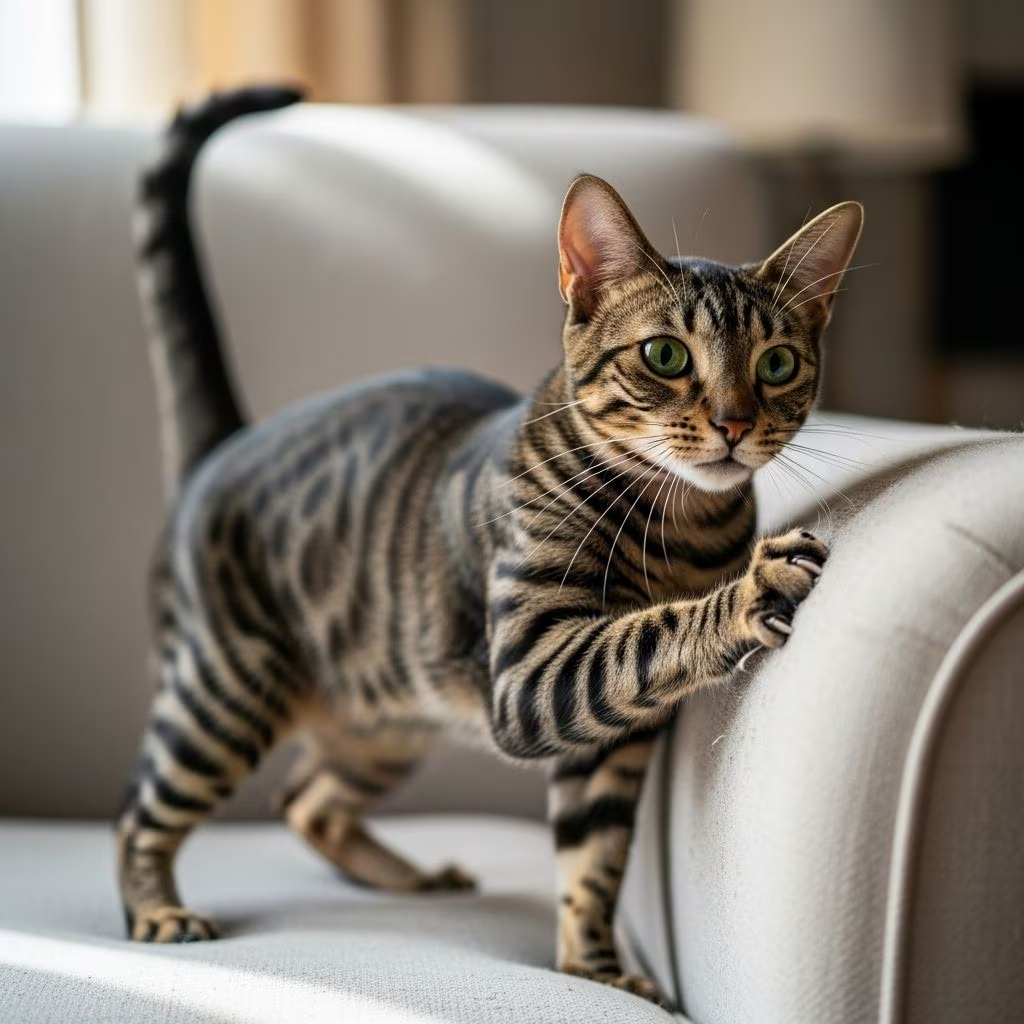
Cats scratching furniture is a common issue for many pet owners, but it’s a natural and essential behavior rooted in their instincts. Rather than punishment, which can worsen the problem, understanding the reasons and providing appropriate alternatives helps redirect this habit effectively.
Why Do Cats Scratch?
Cats scratch for several instinctual reasons that serve both physical and emotional needs. This behavior begins as early as 8 weeks of age and mimics wild ancestors who scratched trees for survival advantages.
- Claw Maintenance: Scratching removes the outer sheath of a cat’s claws, exposing sharp new layers underneath. This keeps claws healthy and effective for hunting or defense.
- Territory Marking: Cats have scent glands in their paw pads that release pheromones when they scratch. This invisible chemical marker, combined with visible shreds, signals ownership to other cats.
- Stretching and Exercise: The motion provides a full-body stretch, relieving muscle tension and promoting circulation. It’s like a workout that tones muscles along the legs, shoulders, and back.
- Stress Relief and Emotional Outlet: Scratching releases endorphins, calming cats during anxiety, excitement, frustration, or overstimulation.
- Boredom Buster: Indoor cats without enough stimulation may scratch as entertainment, especially if lacking play or mental challenges.
These drives explain why cats target furniture: sofas offer vertical surfaces at eye level for marking, soft fabrics tear easily, and sturdy pieces mimic trees. Horizontal spots like carpets appeal for stretching or claw work due to their stability and sink-in texture.
Why Furniture and Not Just Anything?
Furniture often becomes the prime target because it matches cats’ preferences perfectly. Vertical items like couch arms or chair legs are at nose and eye level, ideal for territorial displays. Unvarnished wood splinters satisfyingly, while upholstery rips to leave visual marks.
Carpets and rugs attract for horizontal scratching—cats sink claws deep into soft, immovable fibers for claw shedding and stretches. Prominent, high-traffic areas like sofas or door frames reinforce security by placing scents where others (or intruders) notice. Individual preferences vary; some cats favor vertical posts, others horizontal pads, or both.
How to Stop Your Cat From Scratching Furniture
Stopping unwanted scratching requires redirection, not elimination—cats must scratch for health. Focus on positive reinforcement, proper alternatives, and deterrents. Punishment like yelling or hitting increases stress and scratching.
1. Provide Appropriate Scratching Alternatives
Offer posts and pads that match your cat’s style. Experiment since preferences differ.
| Material | Best For | Examples |
|---|---|---|
| Sisal Rope | Vertical scratching, claw grip | Tall posts (at least 32 inches, sturdy base) |
| Cardboard | Horizontal scratching, shedding sheaths | Scraper boards, flat pads |
| Carpet | Rug lovers, stretching | Covered posts or mats |
| Wood | Splintering satisfaction | Unfinished logs or posts |
| Fabric/Rope | Upholstery fans | Rough-weave covers |
Place scratchers where scratching occurs—near sofas, entryways. Multiple options increase success.
2. Make Alternatives Irresistible
- Spray with catnip, silver vine, or pheromone attractants to draw cats.
- Model behavior: Scratch the post yourself and praise when your cat joins.
- Reward immediately with treats, praise, or play after approved scratching.
3. Use Gentle Deterrents on Furniture
- Cover targets with plastic sheeting, double-sided tape, or aluminum foil—cats dislike sticky or noisy textures.
- Apply bitter sprays (citrus, herbal) safe for cats.
- Temporarily restrict access to problem areas with baby gates.
4. Trim Nails Regularly
Gently clip claw tips every 2-4 weeks to minimize damage. Use cat-specific clippers and reward cooperation. This complements, not replaces, scratching.
5. Enrich Your Cat’s Environment
Address root causes like boredom or stress:
- Daily play sessions (15-30 minutes) with toys like wand teasers, laser pointers.
- Puzzle feeders, window perches for mental stimulation.
- Pheromone diffusers (Feliway) to reduce anxiety.
- Quiet retreat spaces for multi-cat or high-stress homes.
Increase attention and routine changes gradually.
6. Choose the Right Scratching Post
Ideal posts are tall (32+ inches for full stretch), stable (no wobbling), and sturdy. Avoid flimsy carpeted ones that tip or wear out quickly—cats abandon them. Test orientations: vertical for marking, horizontal for variety.
Why Is My Cat Suddenly Scratching More?
Increased scratching signals changes: new pets, moves, visitors, illness, or worn scratchers. Stress triggers emotional outlet scratching; boredom from routine lulls prompts furniture as entertainment. Medical issues like arthritis or pain can alter habits—consult a vet if sudden or paired with other signs.
FAQs
Why do cats scratch furniture suddenly?
Sudden increases often stem from stress, boredom, environmental changes, new household members, or outdated scratchers.
What is the best scratching post material?
Sisal rope for vertical posts and cardboard for horizontal suit most cats; match to your cat’s furniture preferences.
Should I declaw my cat to stop scratching?
No—declawing is painful, risky surgery removing the last bone in each toe, leading to lifelong issues like pain and litter avoidance. It’s banned in many places; redirection works better.
How do I train my cat to use a scratching post?
Place it in scratch zones, add attractants, model scratching, and reward use. Consistency yields results in days to weeks.
Will punishing my cat stop scratching?
No—punishment heightens stress, increasing scratching. Use positive methods only.
Long-Term Success Tips
Monitor progress: If scratching persists after 2-4 weeks, reassess post placement, variety, or stressors. Multi-cat homes need one post per cat plus extras. Patience and consistency turn frustrated owners into scratch-free homes.
By fulfilling instincts humanely, you strengthen your bond while protecting your belongings. Cats thrive with outlets that respect their wild heritage.
References
- Redirect Cat Scratching from Furniture — Hamlin Animal Hospital. 2023-12-01. https://www.hamlinvet.com/blog/december-pet-behavior-how-to-stop-your-cat-from-scratching-furniture
- Why does my cat scratch the furniture? — RSPCA Knowledgebase. 2024-01-15. https://kb.rspca.org.au/categories/companion-animals/cats/behaviour/why-does-my-cat-scratch-the-furniture
- 6 Reasons Why Cats Scratch Furniture — Purina US. 2023-11-20. https://www.purina.com/articles/cat/behavior/training/stop-cats-scratching-furniture
- How to Stop Cats From Scratching the Furniture — PetMD. 2024-05-10. https://www.petmd.com/cat/behavior/how-to-stop-cats-from-scratching-furniture
- Stop Cat From Scratching Furniture With a Scratching Post — Humane World. 2023-08-05. https://www.humaneworld.org/en/resources/how-stop-cats-destructive-scratching



