

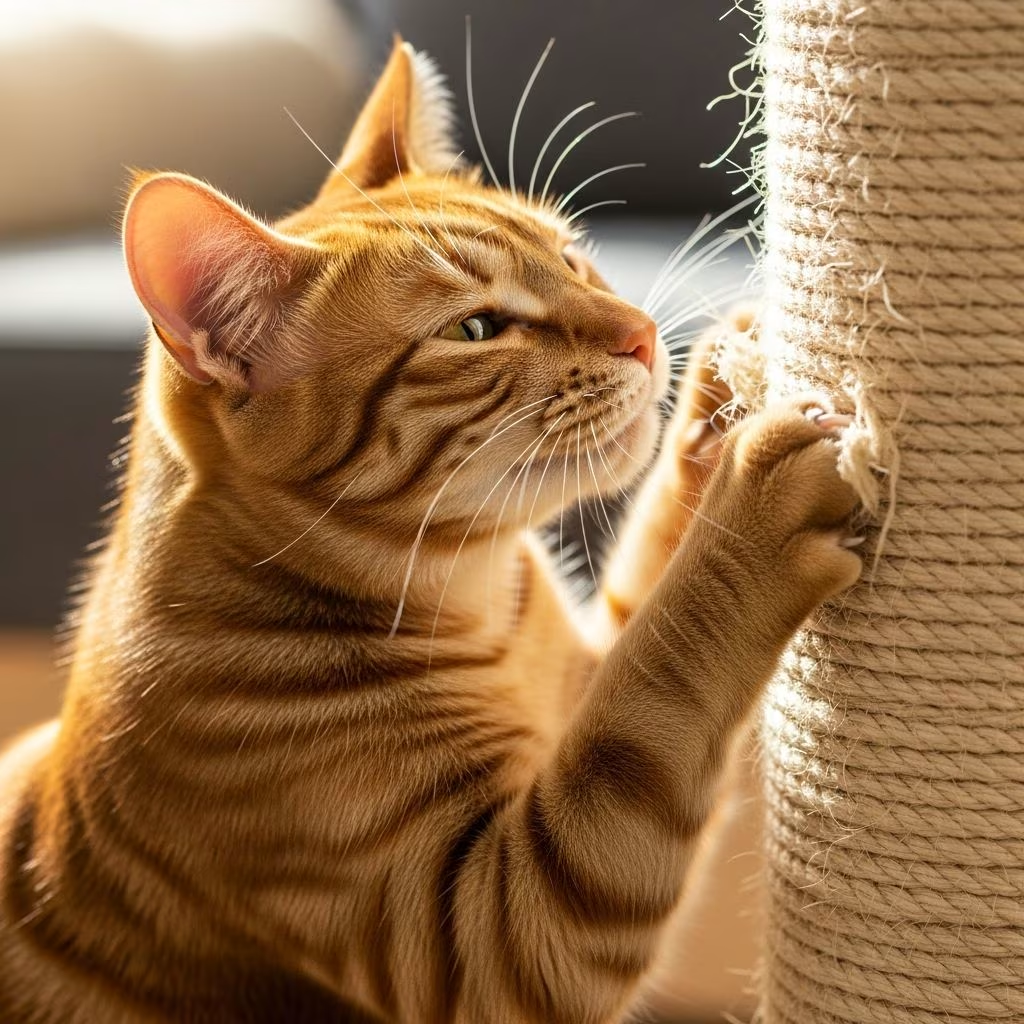
The Big Question: Why Do Cats Scratch?
Cats scratch for a variety of reasons, and understanding these motivations is essential for any cat owner. According to feline behavior experts, scratching is a vital part of a cat’s everyday life and serves multiple important functions. Rather than viewing this behavior as purely destructive, recognizing its natural purpose can help you better manage and redirect it in your home.
Jennifer Conrad, DVM and founder of the Paw Project, explains that scratching serves several critical purposes in a cat’s life. When cats scratch, they are engaging in behavior that is instinctive and deeply rooted in their nature. Understanding these reasons helps pet owners develop compassion for this behavior and implement solutions that work with their cat’s natural instincts rather than against them.
Primary Reasons Why Cats Scratch
Cats engage in scratching behavior for multiple interconnected reasons. Each motivation plays an important role in their physical health, emotional well-being, and social communication. Let’s explore the main drivers behind this common feline behavior:
Anxiety Relief
One of the most significant reasons cats scratch is to relieve anxiety and stress. Scratching releases feel-good hormones in a cat’s brain, helping them cope with daily stressors and ongoing anxiety. When cats feel stressed or anxious, scratching provides them with a healthy outlet for managing these emotions. Common sources of anxiety in cats include changes in household routine, introduction of new pets, moving to a new home, or even changes in the family’s schedule.
Physical Exercise and Fitness
Scratching serves as an excellent form of exercise for cats. It’s a stretching and muscle-strengthening activity that is important for maintaining overall health and physical fitness. When cats scratch on vertical surfaces, they engage their hunting muscles and maintain the physical conditioning necessary for their well-being. This stretching activity is particularly important after cats have been resting or sleeping, helping them maintain flexibility and muscle tone.
Nail Maintenance and Conditioning
Although scratching does serve to shorten and condition the claws, this is just one of several important functions. Scratching helps cats shed the dead outer nail husks and sharpen the underlying new nails. By scratching on appropriate surfaces, cats keep their claws in good shape and maintain the sharp edges they need for climbing, hunting, and defense. This natural nail maintenance process is essential for feline health and cannot be replicated through grooming alone.
Territorial Marking
Perhaps one of the most important reasons cats scratch is to mark their territory both visibly and with scent. In the pads of a cat’s paws are scent glands that release their unique scent onto everything they scratch. When your cat scratches furniture, walls, or other objects in your home, they are leaving both visual claw marks and chemical messages for other animals. This cat behavior is useful in the wild because it provides both a visual and olfactory way to mark their territory. Cats scratch furniture because they are marking territory in places where you sit, making these high-traffic areas particularly attractive for marking behavior.
Communication with Other Animals
Scratching is a form of communication between cats and other animals in their environment. The scratch marks and scents your feline friend leaves on surfaces are powerful messages to other cats. This communication helps cats establish their presence, maintain boundaries, and convey information about their territory and status. When cats scratch in multiple places throughout your home, they are effectively “posting notices” to other felines about their territory.
What Do Cats Like to Scratch?
The answer to what a cat will scratch depends on whether a cat lives indoors or outside. In the wild, cats scratch logs and natural surfaces to mark their territory and maintain their claws. When you have an indoor kitty, they have to find a substitute scratching spot. A scratching post, scratcher, or cat tree is the next best thing, but if there aren’t any in the home, your cat will resort to anything they can find, including furniture and carpet.
Scratching Surface Preferences
Cats have preferences when it comes to scratching surfaces. Some cats prefer vertical surfaces like cat trees, posts, and doorframes, while others enjoy horizontal surfaces like carpets, rugs, and cardboard scratchers. The texture of the surface matters significantly—cats often prefer materials that allow them to fully extend their claws and get a satisfying stretch. Providing multiple types of scratching surfaces throughout your home increases the likelihood that your cat will use these appropriate outlets rather than targeting your furniture.
Why Do Cats Scratch People?
While scratching furniture and other household items is normal, some cats may scratch people. Understanding why this happens helps pet owners respond appropriately and safely.
Defensive and Warning Behavior
Scratching can be a warning or defensive tactic when cats feel threatened. When a cat scratches you, it may be signaling that it feels uncomfortable and wants to be left alone. Recognizing these signals and respecting your cat’s boundaries helps prevent scratches and keeps both you and your cat safe. If your cat swipes at you during handling or petting, this is typically a clear message to stop what you are doing.
Playful Roughhousing
Sometimes cats scratch during play sessions. Your cat can catch your hand now and again during a biting and bunny-kicking frenzy if they think you are playing with them. This playful scratching is typically less aggressive than defensive scratching and is part of normal play behavior. Understanding the difference between playful and defensive scratching helps pet owners interact more safely with their cats.
Managing Excessive Scratching
Despite the best of plans and the finest of scratching posts, some cats may continue to scratch or climb in inappropriate areas. In these cases, the first step is to determine whether the scratching is excessive and whether anxiety is a factor. Several strategies can help redirect your cat’s scratching behavior:
Identifying the Root Cause
When, where, and how often the cat scratches might be a clue as to the possible cause. If the cat is not satisfied to scratch in one or two selected areas, then look at the environmental and household factors that might lead to anxiety. If the cat scratches new objects or furniture in the home, this might be a marking behavior. Cats that scratch in a particular room or on a particular person’s possessions may have a relationship problem that needs to be resolved.
Environmental Enrichment
Providing the cat with a more enriched daily routine can significantly reduce inappropriate scratching. This includes multiple feeding sessions, additional opportunities for social and predatory play, and new objects to manipulate and explore. A well-enriched environment helps better settle the cat at times when it might otherwise be scratching. Consider introducing puzzle feeders, interactive toys, and regular play sessions to keep your cat mentally and physically stimulated.
Scratching Post Placement
The location of scratching posts matters significantly. Place scratching posts near furniture your cat currently targets, and gradually move them to more appropriate locations. Make sure scratching surfaces are stable and tall enough for your cat to achieve a full-body stretch. Different cats prefer different types of posts, so offering variety increases the chances your cat will use them.
Anxiety-Related Scratching
If your cat is scratching all over the house, they may be expressing insecurity about their environment. When scratching continues even after your cat has been provided with favored scratching posts and plenty of enrichment, it is important to determine whether anxiety might be another motivation for the scratching.
Common Stressors
Common cat stressors include competition with other pets for resources, boredom, frustration during play, household changes or visitors, and seeing or smelling outdoor or feral cats nearby. Tensions between cats over resources, seeing stray or feral cats outdoors, or recent household changes can cause a cat to feel anxious. Some cats may increase their territorial marking in situations of anxiety or conflict.
Signs of Anxiety
Other signs of anxiety such as a change in appetite, a change in social behavior (more aggressive or more withdrawn), or the onset of urine marking may also occur alongside excessive scratching. If you notice these additional symptoms, consulting with a veterinarian or feline behaviorist is recommended to rule out medical problems and develop an appropriate behavioral modification plan.
Nail Trimming and Care
Regular nail trims can help reduce the need to scratch and protect your furniture. To help your cat become comfortable with nail trimming, start slowly and use positive reinforcement. “Do this over and over again until the cat realizes that if he or she lets you touch the paws, and trim the nails, there’s a treat involved,” experts recommend. Finding a treat that motivates your cat makes the process easier for both you and your feline companion.
Understanding Scratching Behavior Changes
Scratching of new areas and sites may be related to anxiety and marking behavior. Sometimes, the scratching problem is related to a change in the household such as the introduction of a new cat, moving, or a change in the family’s schedule. The reasons for cats scratching can change over time, and what motivated your cat to scratch a particular spot months ago may differ from current motivations.
When prominent objects that were previously untouched are suddenly targeted, particularly if you notice your cat beginning to eliminate outside the litter box, your cat may be experiencing distress. In these situations, the scratching may relate to marking behavior, and professional help may be necessary to address underlying anxiety or behavioral issues.
Why Declawing Is Not the Answer
It’s important to note that declawing a cat is never a cat-friendly option and leads to many unwanted cat behaviors as a result, such as trouble using the litter box and resorting to biting as a primary defense. Because scratching is an innate behavior like grooming or burying waste, it can be difficult to stop through surgical means alone. Instead of considering declawing, focus on understanding your cat’s scratching needs and providing appropriate outlets for this natural behavior.
Creating a Scratch-Friendly Home
With a good understanding of cat behavior and a little bit of effort, it should be possible to prevent or avoid most clawing problems, even for those cats that live exclusively indoors. Here are key steps to create an environment that supports healthy scratching:
– Provide multiple scratching surfaces throughout your home- Use vertical and horizontal scratching options- Place scratching posts near furniture your cat targets- Ensure scratching posts are stable and tall enough for full-body stretching- Rotate toys and enrichment items to maintain interest- Play with your cat regularly to provide exercise and mental stimulation- Consider using pheromone diffusers to reduce anxiety- Trim your cat’s nails regularly- Schedule regular veterinary visits to rule out medical issues
Frequently Asked Questions
Q: Is scratching a sign that something is wrong with my cat?
A: Scratching is a completely normal and healthy behavior that most cats engage in. However, if your cat suddenly increases scratching in new areas or shows other signs of stress, anxiety could be involved. Consult your veterinarian to rule out medical problems and discuss behavioral modification strategies.
Q: How can I stop my cat from scratching the furniture?
A: Rather than stopping the behavior entirely, redirect it by providing appropriate scratching posts and surfaces throughout your home. Place posts near furniture your cat targets and make them more appealing than the furniture using catnip or toys. Ensure posts are stable and tall enough for a full-body stretch.
Q: What’s the best type of scratching post?
A: The best scratching post depends on your cat’s preferences. Some cats prefer tall vertical posts, while others like horizontal scratchers or angled boards. Offering variety increases the likelihood your cat will use appropriate scratching surfaces. Look for posts that are sturdy, tall enough for stretching, and made from materials your cat enjoys.
Q: Can scratching be related to medical problems?
A: While scratching is primarily behavioral, it’s important to rule out medical issues. Skin conditions, parasites, and other health problems can cause excessive scratching. Schedule a veterinary visit to ensure your cat’s health before focusing solely on behavioral modification.
Q: Why does my cat scratch on doors and windows?
A: Scratching on doors and windows often indicates communication and marking behavior. If your cat is scratching in many places, including conflict areas like windows and doors, it likely reflects anxiety or insecurity. The most common cause is the presence of another cat, either in your home or visible outdoors.
Q: How often should I trim my cat’s nails?
A: Most cats benefit from nail trims every 2-4 weeks, depending on how quickly their nails grow. Regular trimming helps reduce the need for scratching and protects your furniture and family members from accidental scratches.
Q: Is declawing a good solution for scratching problems?
A: No. Declawing is never recommended as a solution and leads to many unwanted behaviors, including litter box avoidance and increased biting. Instead, focus on understanding your cat’s scratching needs and providing appropriate outlets through scratching posts and environmental enrichment.
References
- Cat Behavior Problems – Scratching Behavior — VCA Animal Hospitals. Accessed 2025. https://vcahospitals.com/know-your-pet/cat-behavior-problems—scratching-behavior
- Cat Behavior Problems: Scratching Behavior — Arch Animal Hospital West. Accessed 2025. https://archanimalhospitalwest.com/cat-behavior-problems-scratching-behavior/
- Why Do Cats Scratch? — Chewy. Accessed 2025. https://www.chewy.com/education/cat/training-and-behavior/why-do-cats-scratch
- Claw-some Benefits: Why Scratching is Key to Your Cat’s Health — Providence Veterinary Hospital. Accessed 2025. https://providencevetva.com/claw-some-benefits-why-scratching-is-key-to-your-cats-health/
- A Cat Owner’s Guide to Scratching — Memorial Villages Animal Hospital. Accessed 2025. https://mvahpets.com/a-cat-owners-guide-to-scratching/
- Cats and Scratching — American Humane Society. Accessed 2025. https://www.americanhumane.org/public-education/scratching/
- Cats and Scratching – Why do cats scratch? — Cats Protection. Accessed 2025. https://www.cats.org.uk/help-and-advice/cat-behaviour/scratching



