

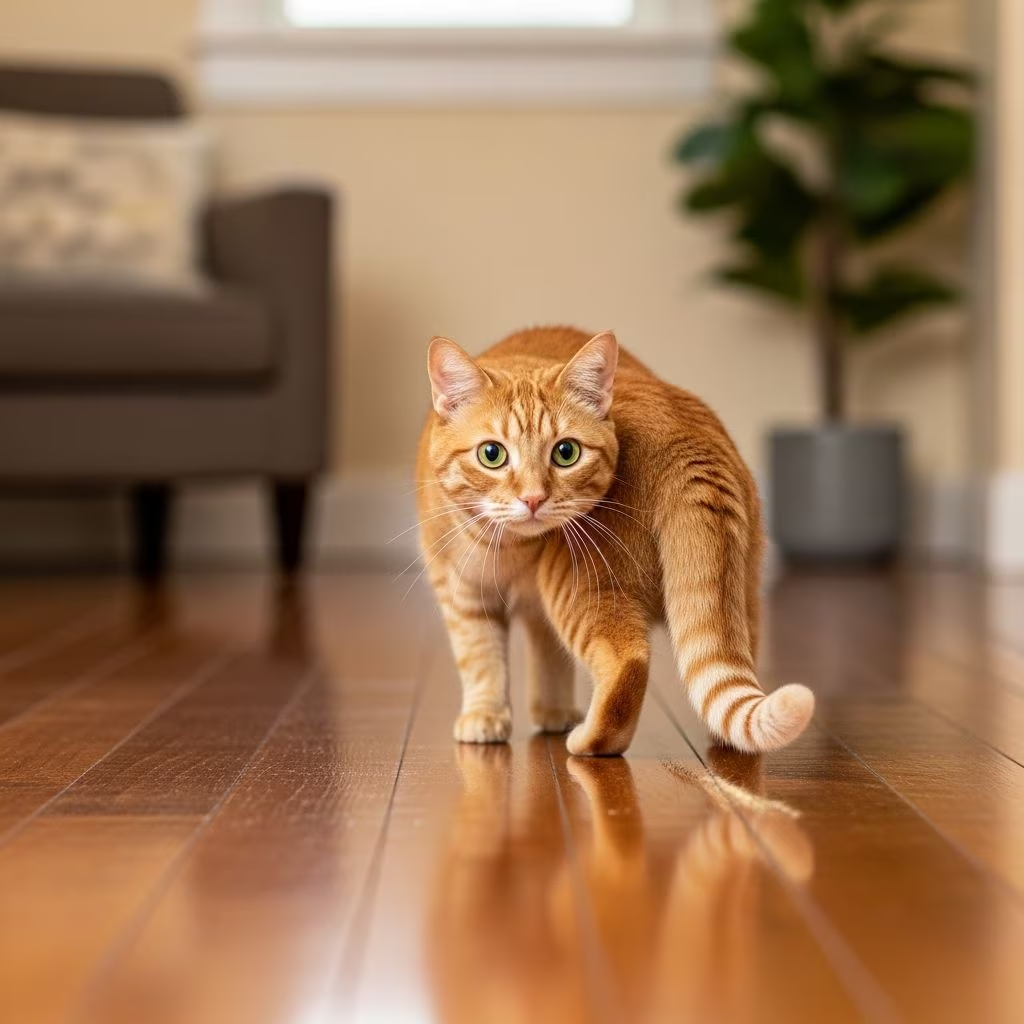
Why Do Cats Scoot? Understanding This Common Feline Behavior
If you’ve ever witnessed your cat dragging their bottom across the carpet or floor, you’ve observed a behavior known as scooting. While it might look amusing, cat scooting is actually a sign that something is bothering your feline companion. This behavior indicates discomfort, irritation, or itchiness in the anal, perineal, or rectal area. Understanding the underlying causes of scooting is essential for cat owners, as it can range from minor issues to more serious health concerns that require veterinary attention.
What Exactly Is Cat Scooting?
Cat scooting refers to the distinctive behavior where a cat drags their hindquarters along the ground, using their rear end to scrape against carpets, floors, or other surfaces. This action typically involves the area under the tail, around the anus, and the upper back of the hind legs. While scooting is much more commonly associated with dogs, cats also engage in this behavior when something is irritating or uncomfortable in their rear area. A one-time scoot might not be cause for alarm, but if your cat frequently exhibits this behavior, it’s worth investigating the underlying cause.
Common Causes of Cat Scooting
Several different issues can trigger scooting behavior in cats. Understanding these causes can help you identify what’s bothering your pet and determine whether a veterinary visit is necessary. Here are the most prevalent reasons cats scoot:
Anal Gland Problems
The most common cause of scooting in cats is related to anal gland issues. Cats have two small anal sacs located on either side of their anus that serve important functions. These glands secrete a scent-marking liquid that is normally released during bowel movements. When a cat’s stool isn’t firm enough to naturally express and empty these glands, the secretions can accumulate inside the sacs, causing them to become impacted or inflamed. This buildup creates significant discomfort and is a leading reason cats scoot to relieve the itching and pressure they experience. Additionally, anal glands can become infected, leading to pain and the need for professional veterinary care.
Parasites
Both external and internal parasites can cause scooting behavior in cats. Fleas are among the most common external parasites that irritate the skin around the anal region, prompting cats to scoot. Internal parasites, particularly intestinal worms such as tapeworms, can also cause itchiness and discomfort in the rectal and anal areas. Tapeworms are especially notorious for causing scooting, and you might notice rice-like segments in your cat’s stool or around their anus, which are actually portions of the tapeworm. Regular parasite prevention and treatment are crucial for maintaining your cat’s health and preventing scooting related to these pests.
Allergies and Skin Sensitivity
Cats can develop allergies to environmental factors or food ingredients that trigger irritation and itchiness. Environmental allergies might stem from dust mites, mold, pollen, grass, or even household chemicals and cleaning products. Food allergies, often related to grains and starches in commercial cat food, can cause inflammation throughout the digestive tract, which may extend to the anal glands. When your cat experiences itchy or irritated skin in the anal region due to allergies, they may resort to scooting to scratch and relieve the discomfort. Identifying and eliminating allergens from your cat’s diet and environment can significantly reduce scooting behavior.
Digestive and Rectal Issues
Lower bowel and rectal problems, including colitis and constipation, can manifest as scooting behavior. When a cat strains to pass feces or experiences difficulty with defecation, they may scoot as an attempt to manage the discomfort. Similarly, urinary tract issues, including Feline Lower Urinary Tract Disease (FLUTD) and Feline Urologic Syndrome (FUS), can cause urinary tenesmus (straining to urinate), which may appear as scooting. In rare cases, urinary tract obstruction can occur, which is a serious medical emergency requiring immediate veterinary attention.
Debris and Foreign Material
Sometimes the explanation for scooting is quite simple: your cat has something stuck to their rear end. Litter, feces, or other debris can become matted in the fur around the anus, especially in long-haired cats. Additionally, long hair or matted fur can trap materials near the anus, causing irritation. Some cats scoot immediately after using the litter box to rid themselves of accumulated litter or poop stuck to their fur. Regular grooming and maintenance can help prevent this issue.
Skin Infections and Conditions
Bacterial or yeast infections affecting the skin in the anal region can cause significant itching and irritation, leading to scooting. Various skin disorders and conditions can affect the perineal area, making it uncomfortable for your cat. Additionally, abscesses resulting from cat bites or other injuries in this region can cause pain and prompt scooting behavior as your cat attempts to address the discomfort.
Tumors and Growths
In rarer cases, tumors or abnormal growths on or near the anus can cause irritation and discomfort. Neoplasia, or abnormal cell development, represents a more serious underlying condition that may present as scooting. While less common than other causes, any unexplained or persistent scooting should be evaluated by a veterinarian to rule out serious conditions.
Recognizing When Scooting Is Cause for Concern
While a single instance of scooting might be harmless, certain patterns should alert you to a potential health issue. Excessive scooting, especially when accompanied by other symptoms, warrants veterinary attention. Signs that your cat’s scooting may indicate a serious problem include:
- Frequent or persistent scooting behavior
- Changes in the appearance of skin around the anal area
- Discharge from the anal glands
- Signs of parasites in stool or around the anus
- Excessive licking or grooming of the rear area
- Changes in bowel movements or constipation
- Straining during urination or defecation
- Loss of appetite or lethargy
Diagnosis and Professional Evaluation
If your cat exhibits frequent scooting, a veterinary examination is recommended. Your veterinarian will begin with a physical examination and review of your cat’s medical history. Based on initial findings, additional diagnostic tests may be ordered, including blood work, fecal examination and culture, urinalysis, and imaging studies such as X-rays or ultrasound. These tests help identify the underlying cause of scooting and guide appropriate treatment decisions.
Treatment Options for Cat Scooting
Treatment for scooting depends entirely on the underlying cause. Your veterinarian will recommend the most appropriate approach based on their diagnosis:
- Anal Gland Expression: For impacted anal glands, manual expression can provide immediate relief
- Antibiotics: Used to treat bacterial infections in the anal glands or surrounding tissue
- Antifungals: Prescribed for yeast infections affecting the anal region
- Parasite Control: Flea and worm treatments eliminate external and internal parasites
- Allergy Medication: Anti-inflammatory medications can reduce itching and irritation
- Diet Changes: Switching to high-quality, grain-free food may reduce inflammation and anal gland issues
- Surgery: Severe anal gland problems or tumors may require surgical intervention
- Palliative Care: Supportive treatments to manage pain and discomfort
Preventing Anal Gland Problems
Since anal gland issues are the most common cause of scooting, prevention is particularly important. Maintaining proper nutrition is crucial; feeding your cat high-quality food with appropriate fiber content supports healthy bowel movements that naturally express the anal glands. Weight management is also essential, as overweight cats often develop anal gland problems due to insufficient muscle tone and excess fatty tissue. Additionally, regular grooming, especially for long-haired cats, helps prevent debris from accumulating around the anus. Some cats benefit from periodic manual anal gland expression performed by a veterinarian as a preventive measure.
Home Care and Monitoring
Pet owners can play an active role in monitoring their cat’s health and managing scooting issues. Keep careful observation of your cat’s scooting frequency and patterns. Note any other symptoms such as changes in appetite, litter box habits, or skin appearance. Maintain a clean living environment and use natural, cat-safe cleaning products to minimize exposure to irritating chemicals. Ensure your cat receives regular parasite prevention treatments as recommended by your veterinarian. Regular grooming, particularly for long-haired breeds, can prevent debris accumulation and reduce irritation. Monitor your cat’s weight and maintain a healthy diet to support optimal digestive and anal gland health.
When to Seek Veterinary Help
Cat scooting should never be ignored, as it consistently indicates some form of discomfort or irritation. While a one-time scoot might not warrant immediate concern, regular scooting behavior requires professional evaluation. Additionally, seek veterinary attention if scooting is accompanied by other symptoms such as discharge, bleeding, foul odor, skin changes, or behavioral changes. Urinary tract obstruction is a medical emergency and requires immediate veterinary care, particularly if scooting is accompanied by straining to urinate or inability to urinate. Early intervention can prevent minor issues from developing into serious health problems.
Frequently Asked Questions About Cat Scooting
Q: Is cat scooting normal behavior?
A: Occasional scooting in cats is relatively normal, but frequent scooting indicates an underlying problem that requires investigation. Long-haired cats may scoot occasionally after using the litter box, but persistent behavior suggests a health issue.
Q: Can anal gland problems be prevented?
A: Yes, preventing anal gland problems involves maintaining proper nutrition with adequate fiber, keeping your cat at a healthy weight, ensuring regular grooming, and following your veterinarian’s parasite prevention recommendations.
Q: What should I do if I notice my cat scooting?
A: Observe your cat carefully to determine if scooting is a one-time occurrence or a recurring behavior. If it happens regularly or is accompanied by other symptoms, schedule a veterinary appointment for professional evaluation and diagnosis.
Q: Can diet affect anal gland health?
A: Yes, diet significantly impacts anal gland health. High-quality food with appropriate fiber content supports healthy bowel movements that naturally express anal glands. Some cats benefit from grain-free diets, as grains can cause inflammation affecting the digestive tract and anal glands.
Q: Are some cats more prone to scooting than others?
A: Long-haired cats are more susceptible to scooting due to debris accumulation in their fur. Additionally, overweight cats and those with a history of food allergies or sensitive skin are more prone to anal gland problems and related scooting behavior.
References
- Scooting in Cats: Why It Happens and How To Help — Cats.com. 2024. https://cats.com/cat-scooting
- Anal Scooting in Cats – Causes, Treatment and Associated Symptoms — Vetster. 2024. https://vetster.com/en/symptoms/cat/anal-scooting
- Why is My Cat Scooting on the Carpet? — Hill’s Pet Nutrition. 2024. https://www.hillspet.com/cat-care/behavior-appearance/cat-scooting-and-anal-glands
- Scooting in Cats — PDSA. 2024. https://www.pdsa.org.uk/pet-help-and-advice/pet-health-hub/symptoms/scooting-in-cats
- Why Does My Cat Scoot? — Bark & Whiskers. 2021. https://www.barkandwhiskers.com/2021-07-20-nl-reasons-why-cats-scoot/
- Pet Butt Scooting: What It Means When Your Pet Drags Their Bottom — Billings Animal Family Hospital. 2024. https://billingsanimalfamilyhospital.com/post/what-is-pet-butt-scooting



