

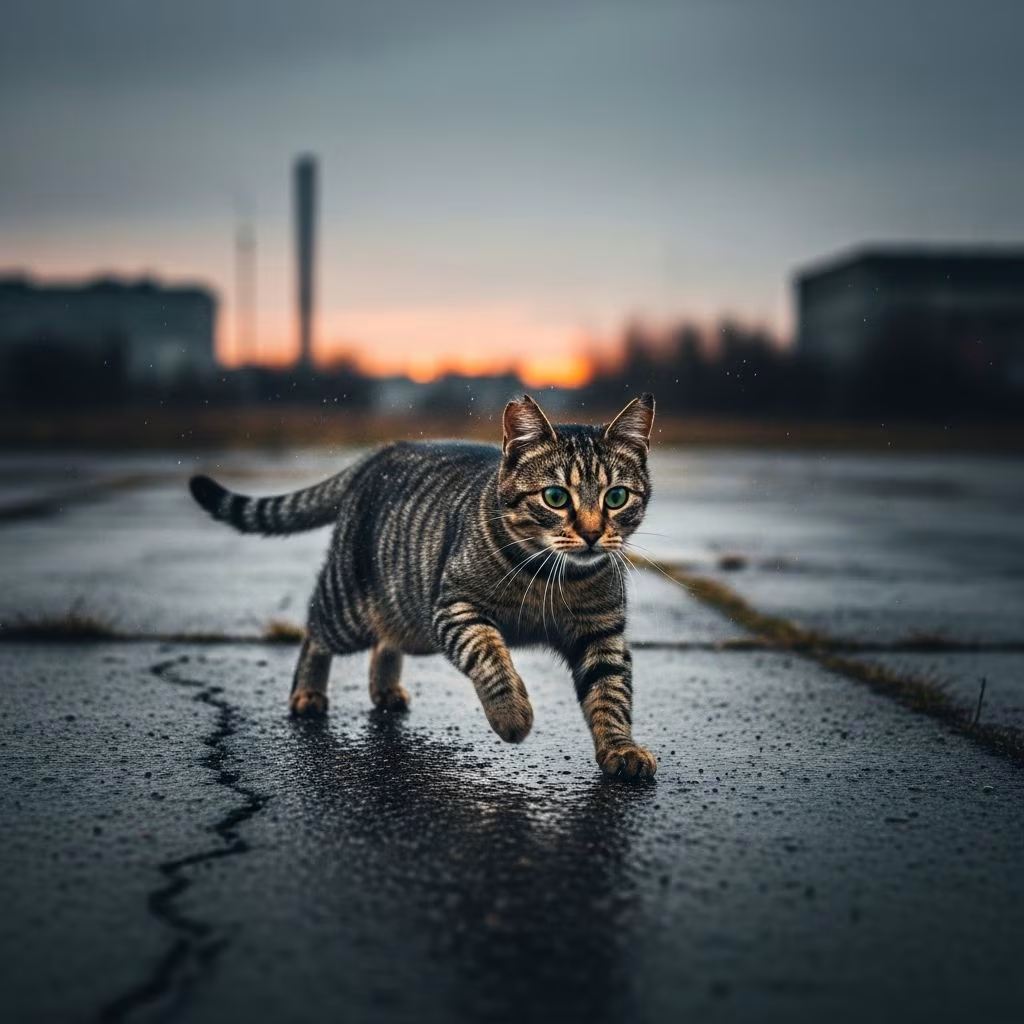
Cats are mysterious creatures with strong instincts that sometimes lead them to wander far from home. Whether indoor or outdoor, many cat owners experience the heart-stopping moment when their feline disappears. Understanding why cats run away is crucial for prevention and quick recovery. This comprehensive guide covers the top reasons—from biological drives to environmental triggers—and provides actionable steps to keep your cat safe.
10 Common Reasons Why Cats Run Away
Cats don’t typically “run away” with the intent to abandon home; instead, their disappearances stem from natural behaviors, sudden scares, or unmet needs. Here are the most frequent causes based on veterinary and behavioral insights.
1. Mating Instincts
Unsterilized cats, especially males, are driven by strong hormonal urges to seek mates. Tomcats can roam miles in search of females in heat, often not returning for days. Females may also slip out to find a partner or a safe birthing spot. Spaying or neutering dramatically reduces this risk, as it curbs the mating drive.
2. Stress and Changes in Routine
Cats thrive on predictability. Major disruptions like moving house, new pets, babies, renovations, or loud noises (fireworks, thunderstorms) can overwhelm them. Stressed cats seek quieter refuge elsewhere, hiding until they feel safe.
Pro Tip: Create a dedicated safe space at home with hiding spots, familiar bedding, and pheromone diffusers to ease anxiety.
3. Hunting Instinct
Even well-fed domestic cats retain their predatory nature. The thrill of the chase draws outdoor cats to pursue birds, rodents, or insects, leading them farther afield. This instinct is hardwired and unaffected by food availability.
4. Territorial Disputes
Cats are fiercely territorial. Neighborhood strays or rival cats encroaching on their domain can prompt defensive roaming to patrol or reclaim boundaries. Males, in particular, mark and defend larger areas.
5. Fear or Fright
Sudden scares—dogs, fireworks, vehicles, or unfamiliar people—trigger a flight response. Cats bolt and hide nearby, sometimes too frightened to return immediately. The “freeze” reaction keeps them silent and concealed for hours or days.
6. Boredom or Neglect
Understimulated cats grow restless. Insufficient play, attention, or environmental enrichment pushes them to explore beyond safe confines. Lonely or hungry cats may wander farther seeking stimulation or food.
7. Curiosity and Exploration
Inquisitive by nature, cats follow scents, sounds, or sights into unknown areas. They squeeze into sheds, garages, or cars, getting trapped. Distractions during hunts exacerbate this.
8. Pregnancy and Birthing
Pregnant queens instinctively seek secluded spots to give birth away from household chaos, dogs, or children. They return post-kittens but risk dangers en route.
9. Illness or Injury
Sick cats isolate themselves in quiet, hidden places to recover undisturbed. Subtle signs like lethargy or appetite loss precede wandering; monitor health closely.
10. Accidental Trapping or Theft
Cats hitch rides in cars, get locked in outbuildings, or face predation/theft (especially rare breeds). These aren’t intentional runaways but result in prolonged absences.
How Far Do Cats Roam?
Outdoor cats’ territories vary: males roam up to several miles, females stay closer (under a mile). Indoor-outdoor cats expand ranges seasonally. Urban cats roam less due to dangers; rural ones venture farther for prey.
| Cat Type | Average Roaming Distance | Factors Influencing Range |
|---|---|---|
| Male (Intact) | 1-5 miles | Mating, territory |
| Female | 0.5-2 miles | Nesting, hunting |
| Neutered/Spayed | <1 mile | Reduced instincts |
| Indoor-Only | Minimal | Supervised outings |
Cats’ Homing Instinct: How They Find Their Way Back
Most lost cats return thanks to an innate homing ability. Cats sense Earth’s geomagnetic field via iron particles in their ears and skin, acting as a natural compass. Advanced smell (recognizing home scents miles away), hearing, and vision aid navigation. Outdoor-experienced cats excel; pure indoor cats struggle more.
Research shows 60-80% return within days, but displacement (e.g., car rides) disorients them, triggering hiding near the loss site.
How to Stop Cats from Running Away: Prevention Tips
Proactive steps minimize escapes while respecting natural behaviors.
- Sterilize Early: Spay/neuter by 4-6 months to eliminate mating drives.
- Enrich Environment: Provide toys, scratching posts, window perches, and daily play sessions to combat boredom.
- Secure Home: Install microchip, collar with ID/GPS tracker, cat-proof fences, and door sweeps. Use indoor litter if transitioning.
- Reduce Stress: Use Feliway diffusers, maintain routines, introduce changes gradually.
- Supervised Outings: Harness train for leashed walks or build catios/enclosures.
- Health Checks: Regular vet visits catch illnesses early.
What to Do If Your Cat Runs Away
Act fast—most cats hide nearby.
- Search Immediately: Check hiding spots (bushes, sheds, neighbors’) at dawn/dusk when quiet. Use smelly food/treats.
- Alert Network: Notify neighbors, vets, shelters with photo/description. Post on local lost pet groups.
- Set Traps: Humane traps with enticing food near home/escape point.
- Use Tech: GPS trackers like Tractive reveal patterns/locations.
- Be Patient: Hiding cats may take 7-12 days to emerge due to “threshold” behavior from thirst/hunger.
Avoid calling/meowing loudly at night—it scares them further. Reasons cats don’t return: injury, trapping, predation, or control pickup.
Frequently Asked Questions (FAQs)
Why do indoor cats run away?
Indoor cats escape via open doors/windows out of curiosity or fright. They lack street savvy, making recovery urgent.
How long should I wait before worrying?
24-48 hours for outdoor cats; immediately for indoors. Most return in 1-3 days.
Will my cat come back if lost far away?
Yes, via homing instinct, but success drops over miles. GPS helps.
Can cats find their way home from moving?
Difficult; old home scents linger. Update microchip with new address.
Final Thoughts
Preventing cats from running away combines understanding instincts with practical safeguards. Sterilization, enrichment, and technology like GPS trackers make a huge difference. If your cat goes missing, stay calm, search systematically, and leverage community support. With these strategies, you can enjoy worry-free time with your adventurous feline.
References
- Missing Animal Response Network: Lost Cat Behavior — Missing Animal Response. 2023. https://www.missinganimalresponse.com/lost-cat-behavior/
- Why Do Cats Run Away? 10 Reasons & How To Stop ‘Em — Tractive. 2024-01-15. https://tractive.com/blog/en/good-to-know/why-your-cat-is-running-away
- 10 Reasons Why Cats Run Away From Home & What You Can Do — Rover. 2023-05-20. https://www.rover.com/blog/why-do-cats-run-away/
- ASPCA Position Statement on Free-Roaming Cats — ASPCA. 2024. https://www.aspca.org/about-us/aspca-policy-and-position-statements/position-statement-free-roaming-cats
- Cat Homing Behavior Study — University of Lincoln (via PubMed). 2022-08-10. https://pubmed.ncbi.nlm.nih.gov/35962894/



