

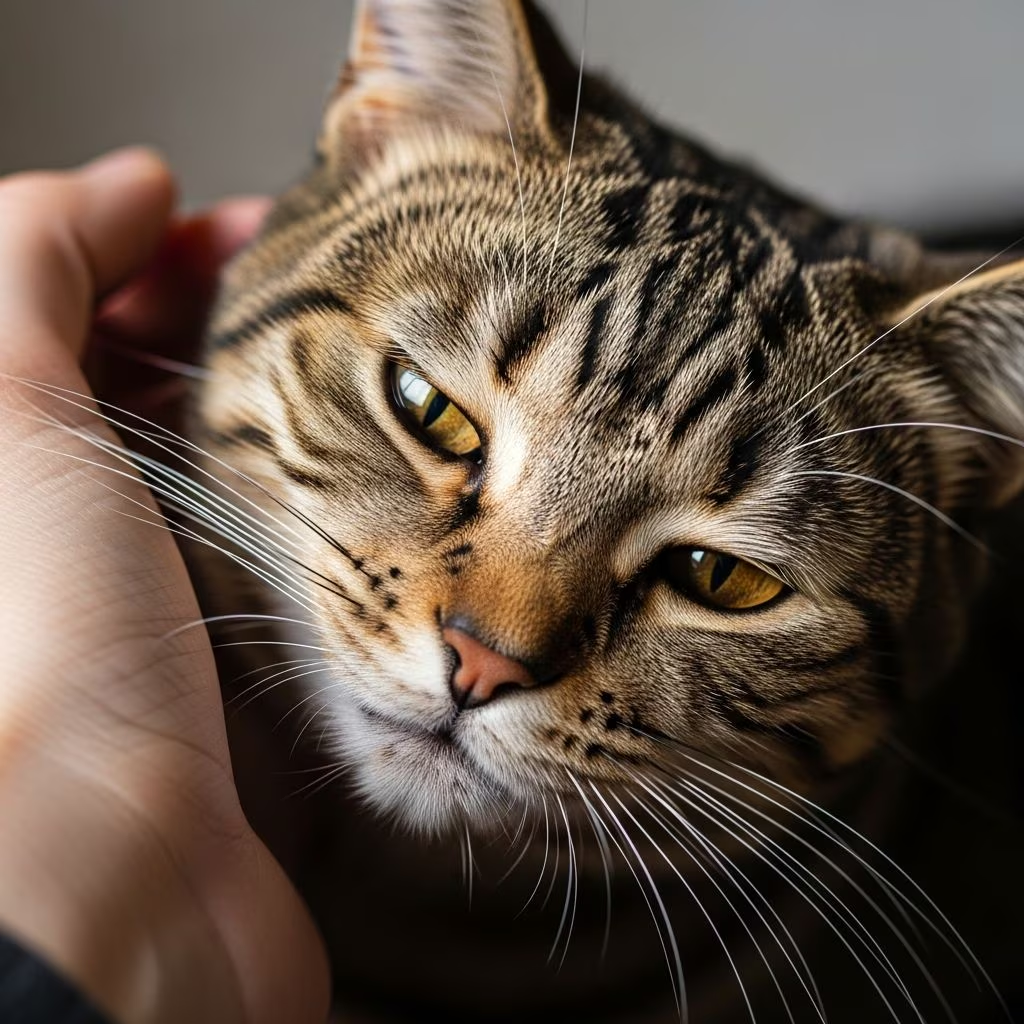
Why Do Cats Rub Their Faces on You?
If you’ve ever wondered why your cat insists on rubbing their face against you, you’re not alone. This adorable behavior, known as bunting, is far more than just a cute gesture—it’s a complex form of feline communication with deep evolutionary roots. When your cat rubs their head, cheeks, or entire body against you, they’re engaging in a sophisticated ritual that serves multiple purposes, from expressing affection to claiming you as part of their territory.
Understanding Cat Bunting: The Science Behind the Behavior
Cat bunting is a natural behavior driven by biology and instinct. Your cat’s face is covered with specialized scent glands, particularly concentrated around their cheeks, lips, chin, and forehead. These glands release pheromones—chemical compounds that carry important information to other cats and their environment. When your cat rubs their face on you, they’re not just being affectionate; they’re engaging in a deliberate communication strategy that marks you with their scent.
The scent glands in a cat’s face release what scientists call feline facial pheromones, with five distinct types that serve different purposes. The primary function of these pheromones is marking territory and expressing contentment. When your cat rubs against you, they’re essentially saying, “This is my place, and you belong to me.”
The Main Reasons Your Cat Rubs Their Face on You
1. Scent Marking and Territory Claim
One of the most significant reasons your cat rubs their face on you is scent marking. Cats are territorial animals by nature, and marking their territory is essential to their sense of security and belonging. When your cat transfers their pheromones onto you, they’re essentially claiming you as part of their territory. Think of it like your cat writing their name on you—you’ve become part of their marked zone.
This behavior extends beyond just people. Cats also rub their faces on furniture, doorways, food dishes, and other objects in their environment to create a familiar scent profile. By doing so, they make their living space feel more comfortable, secure, and distinctly theirs. This scent-marking behavior provides cats with a sense of control and peace in their environment.
2. Expressing Affection and Love
When your cat rubs their head and cheeks against you while purring, they’re primarily expressing affection and love. This behavior often accompanies other signs of contentment, such as slow blinks, purring, and even gentle dribbling in particularly enthusiastic cats. Your cat is essentially saying, “I love you and feel safe with you.” The scent glands in their face release a low-stress or happy pheromone, indicating that your cat associates positive emotions with your presence.
Unlike humans who hug or hold hands, cats have their own unique way of showing love through physical contact and scent exchange. When your cat chooses to rub against you repeatedly, especially while purring, they’re reinforcing the bond you share and seeking reciprocal affection.
3. Greeting and Social Bonding
Cats use face rubbing as a friendly greeting, particularly when they haven’t seen you in a while. If your cat greets you at the door with enthusiastic head bumps and rubbing, they’re expressing happiness to see you. This behavior isn’t limited to owners—friendly stray cats may also rub against strangers to say hello. In multi-cat households, cats rub against each other to reinforce social bonds and create a “group scent” that identifies them as part of the same family unit.
This social aspect of bunting is crucial for cats. By exchanging scents, they create a shared identity and strengthen their connection with other cats and humans. It’s a form of bonding that creates comfort and familiarity.
4. Attention-Seeking Behavior
Sometimes your cat rubs against you to get your attention and communicate a specific need. By bumping their head against your legs or hands, cats signal that they want something—whether it’s food, playtime, cuddles, or to be let outside. When you respond positively to this behavior by providing what they want, your cat learns that bunting is an effective communication strategy and will repeat it.
This learned behavior demonstrates the intelligence of cats and their ability to understand cause and effect in their interactions with humans.
5. Familiarizing New Spaces
When you bring home new furniture, rearrange your space, or move to a new home, you may notice your cat rubbing their face on everything extensively. This behavior helps cats familiarize themselves with changes in their environment. By spreading their scent markers, they transform the unfamiliar into the familiar, making their space feel safer and more comfortable. It’s similar to how you might decorate a new home in your preferred style to make it feel like yours.
What the Scent Glands Tell Us
Understanding the anatomy of cat scent glands provides insight into why this behavior is so important to feline communication. Cats possess scent glands in multiple locations across their faces:
- Cheeks and temples
- Lips and mouth area
- Chin and jawline
- Forehead and between the eyes
- Along the whisker pads
When cats rub their entire face against you, they’re engaging multiple sets of scent glands simultaneously, ensuring maximum pheromone transfer. This comprehensive marking behavior indicates the importance of the target—usually someone or something the cat cares about deeply.
How Cats Interpret Scent Information
Cats don’t just emit pheromones; they also have highly developed systems for receiving and interpreting scent information. When your cat rubs against you, they’re also gathering information about your scent and the scents of other animals you’ve interacted with. Cats pick up pheromones using their sensitive noses and a special sensory organ called the vomeronasal organ, located on the roof of the mouth. This organ, sometimes called the Jacobson’s organ, connects directly to the cat’s brain and functions like a sophisticated scent analyzer.
The vomeronasal system allows cats to process chemical information in ways humans cannot fully understand. This explains why cats sometimes display the Flehmen response—that distinctive grimace where they open their mouth, pull back their lips, and lift their head. They’re taking a particularly intense “smell” of something interesting, using both their nose and their vomeronasal organ for maximum information gathering.
Is Your Cat’s Face Rubbing Normal?
In most cases, cat face rubbing is completely normal and positive behavior. It indicates that your cat feels safe, happy, and bonded with you. However, like any behavior, changes in frequency or intensity warrant attention.
When Face Rubbing Is Cause for Concern
If your cat suddenly begins rubbing their face more frequently or aggressively than usual, this could indicate an underlying issue. Sudden behavioral changes in cats often signal medical problems or stress. Excessive or aggressive face rubbing may be associated with:
- Allergies or skin irritation
- Flea infestations
- Ear infections
- Feline hypersensitivity disorder
- Neurological or brain disorders
- Stress or anxiety
If you notice a significant change in your cat’s rubbing behavior, consult your veterinarian to rule out medical causes. Think of sudden increases in any behavior like consuming an entire bottle of wine every morning—while one glass after a tough day is fine, excessive behavior warrants investigation.
The Difference Between Face Rubbing and Other Rubbing Behaviors
Cats rub different parts of their bodies for slightly different purposes:
| Rubbing Type | Body Part Used | Primary Purpose | Typical Context |
|---|---|---|---|
| Head Bunting | Forehead and cheeks | Strong affection and bonding | When greeting or seeking attention |
| Cheek Rubbing | Cheeks and temple | Territory marking | On furniture, doorways, or people |
| Body Rubbing | Entire side and flanks | Full-body scent marking | When weaving around legs or furniture |
| Chin Rubbing | Chin and jaw area | Territory marking and affection | On your hands or arms |
Responding to Your Cat’s Face Rubbing
When your cat rubs their face on you, the best response depends on the context and your cat’s body language. Generally, gentle petting, stroking, and positive reinforcement encourage the behavior. However, it’s important to watch for signs that your cat wants to continue or prefers space:
- Slow blinks and relaxed posture indicate your cat is comfortable with continued interaction
- Tail held upright with a slight hook shows contentment and engagement
- Purring is a clear sign your cat is enjoying the moment
- Flattened ears, tail swishing, or attempts to move away mean your cat wants space
Respecting your cat’s preferences reinforces trust and strengthens your bond.
Frequently Asked Questions
Q: Why does my cat rub their face on everything in the house?
A: Your cat is marking their territory to create a familiar, safe environment. By distributing their scent throughout your home, they’re essentially saying “this is my space and I feel comfortable here.” This is completely normal behavior and indicates your cat feels secure in their environment.
Q: Does a cat rubbing their face on me mean they love me?
A: While face rubbing certainly indicates affection, it’s one of several ways cats show love. When accompanied by purring, slow blinks, and gentle behavior, face rubbing is indeed a sign of love and bonding. However, it also serves practical purposes like territory marking, so it’s not exclusively a love declaration.
Q: Is it bad if my cat rubs their face on me aggressively?
A: Occasional enthusiastic bunting is normal, but aggressive or excessive face rubbing can indicate medical issues such as allergies, ear infections, or skin problems. If this behavior is new or has significantly increased, consult your veterinarian.
Q: Can I train my cat to rub their face on me more often?
A: You can encourage face rubbing by responding positively when your cat initiates it—offering treats, gentle petting, or playtime. However, forcing or demanding the behavior may backfire. Instead, create a comfortable, secure environment where your cat naturally wants to bond with you.
Q: Why does my cat sometimes rub their face on me and then bite?
A: This behavior typically indicates overstimulation or a shift in your cat’s mood. What starts as affectionate bunting may transition to play-biting when your cat becomes excited. Watch your cat’s body language and give them space when you notice signs of overstimulation, such as tail twitching or ear flattening.
References
- Why Do Cats Rub Their Cheeks on Stuff? — Washington State University Ask Dr. Universe. 2023-11-09. https://askdruniverse.wsu.edu/2023/11/09/7411/
- Why Does My Cat Rub Against Me? — Cats Protection. 2024. https://www.cats.org.uk/cats-blog/why-does-my-cat-rub-against-me
- Why Do Cats Nuzzle You? — Hill’s Pet Nutrition. 2024. https://www.hillspet.com/cat-care/behavior-appearance/what-is-cat-nuzzling
- Why Do Cats Rub Against You? — Nutrish Pet Food. 2024. https://www.nutrish.com/blog/why-do-cats-rub-against-you/
- If Your Cat Rubs Their Face on You, They’re Saying THIS — Feline Fanatics. 2025-05-16. https://www.youtube.com/watch?v=ntI6QMtVTxU



