

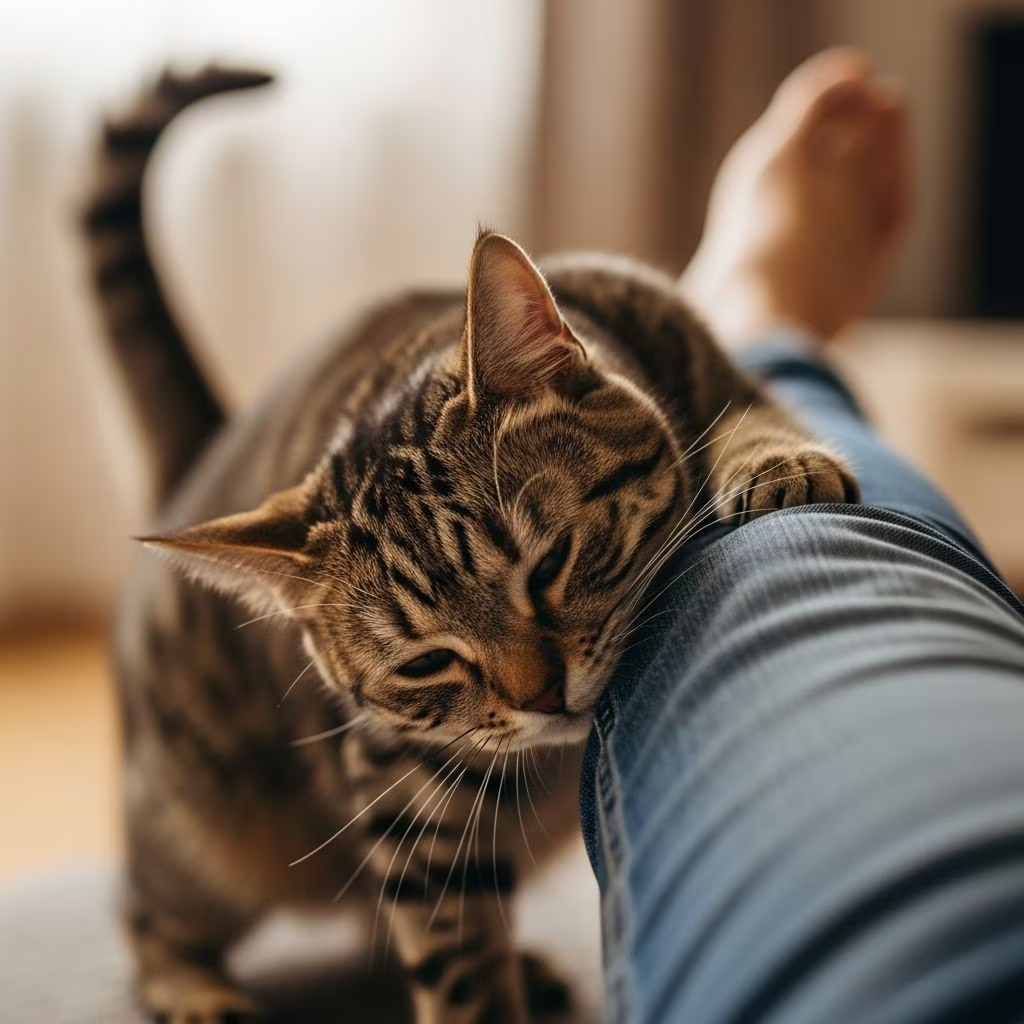
Cats rubbing against your legs is one of the most endearing and common behaviors cat owners experience. This action, often accompanied by purring, meowing, or a raised tail, serves multiple purposes in feline communication. Far from being random, it reveals how cats perceive their world through scent, affection, and social bonds. Understanding this behavior helps pet parents respond appropriately, fostering a stronger relationship with their feline companions.
At its core, leg-rubbing involves cats using scent glands located on their cheeks, forehead, chin, and tail base to deposit pheromones. These chemical signals communicate ownership, familiarity, and trust to other cats and animals. Whether greeting you after an absence or simply seeking comfort, this “bunting” behavior—named for the head-butting motion—strengthens the human-cat bond.
The Science Behind Cats Rubbing Against Legs
Cats possess specialized scent glands rich in pheromones, particularly facial glands that produce F3 and F4 pheromones. F3 pheromones mark familiar objects and people, creating a sense of security, while F4 pheromones signal group affiliation, essentially saying “you’re part of my family”. When a cat rubs against your legs, it’s mingling scents: yours with theirs, reinforcing mutual recognition.
This olfactory communication is vital because cats have over 200 million scent receptors—14 times more than humans—making smell their primary sense for navigation and social interaction. Rubbing ensures their environment, including trusted humans, carries reassuring scents, reducing stress and promoting well-being. In multi-cat households, this behavior promotes harmony by creating a shared “group scent”.
Primary Reasons Cats Rub Against Your Legs
Cats exhibit this behavior for several interconnected reasons. Here’s a breakdown of the most common motivations:
- Marking Territory and Claiming You: By depositing pheromones, cats claim you as part of their territory. This isn’t possessive aggression but a comforting ritual, signaling to other cats that you belong to them.
- Showing Affection and Trust: Rubbing is a profound sign of love. Cats reserve this for family members, indicating deep trust and emotional security.
- Greetings and Reunions: Upon your return home, rubbing acts as a warm “hello,” often with purring and tail-up posture denoting happiness.
- Seeking Attention or Needs: Cats may rub to solicit food, play, or pets, associating the action with positive outcomes.
- Comfort and Endorphin Release: The physical sensation feels pleasurable, releasing feel-good endorphins similar to human affection.
Table: Types of Rubbing and Their Meanings
| Type of Rubbing | Common Context | Meaning |
|---|---|---|
| Head/Face Rub | Cheeks or chin on legs | Scent marking and affection |
| Full-Body Wrap | Body weaving around legs | Warm greeting or hug-like embrace |
| Tail-Up Rub | Raised tail while rubbing | Confidence and friendliness |
| Excessive Rubbing | Sudden increase in frequency | Attention-seeking or stress |
When Cats Rub: Contextual Insights
The timing and intensity of rubbing provide clues. For instance, post-vacation reunions trigger enthusiastic rubbing as cats reclaim your scent, altered by new environments. In new homes or with visitors, increased rubbing territorializes familiar anchors like your legs.
Observe accompanying signals: purring indicates pleasure, meowing suggests requests, and slow blinks convey trust. Full-body rubs mimic cat-to-cat greetings, where tails intertwine, symbolizing social integration.
How to Respond to Your Cat’s Leg Rubbing
Positive reinforcement enhances this bond. Pet gently along the cheeks or back during rubs to reciprocate scent exchange—your hands carry skin oils that cats appreciate. Offer treats or play if it signals hunger, but avoid pushing away, as it may confuse them.
To encourage healthy rubbing:
- Provide scratching posts and toys infused with catnip to redirect excess energy.
- Maintain consistent routines to minimize stress-induced rubbing.
- Use pheromone diffusers mimicking F3 scents for anxious cats.
Avoid punishment; instead, redirect to appropriate objects. This builds trust, making rubs more affectionate than demanding.
Variations in Cat Rubbing Behavior
Not all cats rub equally. Kittens learn from mothers, while ferals may rub less due to independence. Breeds like Siamese are more vocal and rubby, while independents like Abyssinians do it selectively. Age matters: seniors rub for comfort amid declining senses.
In multi-pet homes, cross-species rubbing (e.g., on dogs) indicates acceptance. However, intact males may rub more territorially.
Potential Concerns: When Rubbing Signals Issues
While usually benign, changes warrant attention. Sudden excessive rubbing might indicate:
- Hunger or Medical Needs: Increased appetite from hyperthyroidism or dental pain.
- Anxiety/Stress: New pets, moves, or illness triggers reassurance-seeking.
- Skin Irritations: Allergies or fleas cause frantic rubbing on surfaces.
If accompanied by aggression, hiding, or appetite loss, consult a vet. Monitor for urinary issues, as base-tail rubbing can signal discomfort.
Strengthening the Feline-Human Bond Through Understanding
Decoding rubs empowers better care. Respond with patience, and you’ll notice more mutual affection—slow blinks, kneading, or belly exposure. Cats thrive on routine and security, where rubbing plays a starring role.
Enrich environments with vertical spaces and interactive toys to complement natural behaviors. Over time, your legs become a symbol of safety, deepening this timeless companionship.
Frequently Asked Questions (FAQs)
Why does my cat rub against my legs and then bite?
This “love bite” follows overstimulation. Pet gently and watch for tail twitches signaling enough.
Do all cats rub against legs?
Most do, but shy or less social cats may not. Encourage with calm interactions.
Is leg rubbing a sign of dominance?
No, it’s affiliative—claiming you lovingly, not controlling.
What if my cat stopped rubbing suddenly?
Possible depression, pain, or environmental stress. Vet check recommended.
Can I train my cat not to rub on guests?
Redirect with toys; pheromone collars help, but embrace it as affection.
References
- Understanding Feline Affection: Why Cats Rub Against Our Legs — The International Cat Association (TICA). 2023. https://tica.org/blogs/understanding-feline-affection-why-cats-rub-against-our-legs/
- Why Do Cats Rub Against Your Legs? | Cat Behavior — Meowtel. 2024. https://meowtel.com/blog/post/why-do-cats-rub-against-your-legs
- Why Does My Cat Rub Against Me? Understanding Feline Affection — Animal Wellness Magazine. 2023-05-15. https://animalwellnessmagazine.com/what-does-it-mean-when-a-cat-rubs-against-you/
- Why Do Cats Rub Against You? — PetMD. 2024-08-10. https://www.petmd.com/cat/behavior/why-do-cats-rub-against-you
- Why does my cat rub against me? — Cats Protection. 2023. https://www.cats.org.uk/cats-blog/why-does-my-cat-rub-against-me



