

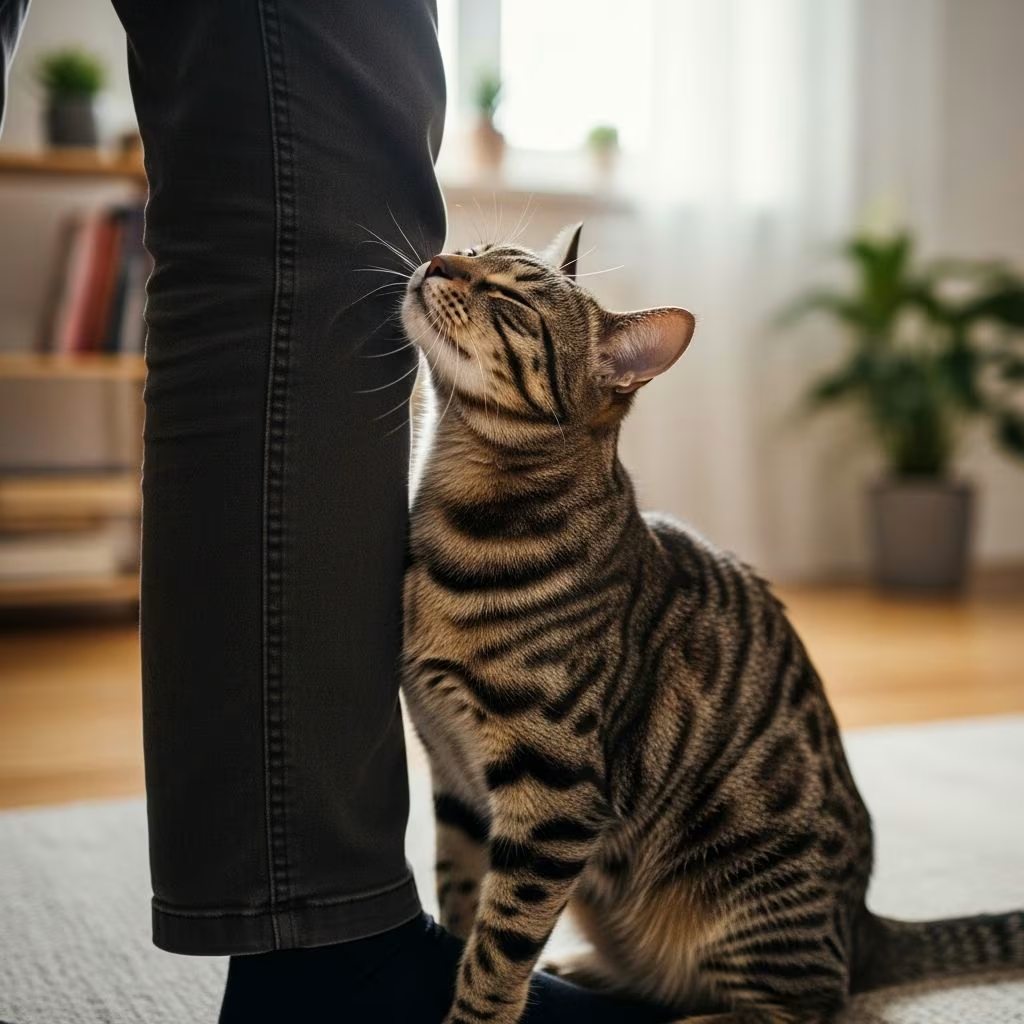
Cats rubbing against your legs is one of the most endearing and common behaviors cat owners experience. This action, often accompanied by purring and meowing, leaves many wondering about its true meaning. Far from a simple itch-scratching habit, leg-rubbing serves multiple purposes rooted in feline biology and social dynamics. Cats possess scent glands on their cheeks, forehead, chin, and tail base, releasing pheromones to communicate. These glands allow cats to mark territory, express affection, greet owners, or solicit attention. Understanding this behavior strengthens the human-feline bond and helps owners respond appropriately.
In this comprehensive guide, we delve into the primary reasons cats engage in this ritual, when it might signal other needs, and how to interpret variations. Whether your cat weaves figure-eights around your ankles or delivers a full-body bunt, these insights reveal the depth of your pet’s emotions and instincts.
The Science Behind Cat Rubbing: Scent Glands and Pheromones
At the core of leg-rubbing lies a cat’s acute sense of smell and specialized scent glands. Located on the face (cheeks, forehead, chin), these glands produce feline facial pheromones (FFP), particularly F4 pheromones, which convey familiarity and group membership. When a cat rubs, it deposits these scents on you, effectively “claiming” you as part of its social circle. Simultaneously, the cat gathers your scent, updating its mental map of your recent activities and environment.
This dual exchange reassures the cat, reducing stress and promoting comfort. Research from veterinary behaviorists notes that rubbing mimics wild cat colony behaviors, where scent-sharing maintains group cohesion. Domestic cats extend this to humans, viewing owners as surrogate family members. The behavior releases endorphins in cats, creating a feel-good loop that encourages repetition.
- Key Scent Gland Locations: Cheeks, forehead, chin, tail base.
- Pheromone Types: F4 for group scent; others for territory.
- Benefits for Cats: Stress reduction, familiarity reinforcement, endorphin release.
Reason 1: Marking Territory and Claiming You
One primary motivation is territorial marking. Cats are instinctively territorial, using scent to delineate safe spaces and possessions. By rubbing against your legs, your cat claims you as “theirs,” blending your scent with its own to create a communal aroma. This doesn’t imply possessiveness toward others; rather, it’s about environmental security. Your consistent presence becomes a comforting anchor in their world.
In multi-cat homes or with visitors, rubbing intensifies as cats reaffirm boundaries. Unlike urine spraying, which is more aggressive, rubbing is subtle and affiliative. Owners often notice increased rubbing after absences, as cats “refresh” the mark.
Reason 2: Showing Affection and Trust
Rubbing is a profound sign of affection. Cats reserve this vulnerability for trusted individuals, indicating you are family. Accompanied by purring, tail-up postures, or slow blinks, it signifies relaxation and love. This “bunting” behavior—pressing the head firmly—releases bonding pheromones, deepening emotional ties.
Behavioral experts emphasize that independent cats choosing to rub demonstrate high trust levels. It’s their version of a hug, evolved from kitten-mother interactions where rubbing solicits grooming and care. Respond with gentle pets to reciprocate.
Reason 3: Greeting You Like Family
The most frequent trigger is greeting, especially upon your return home. Cats rub to say “hello” and reconnect after separation, often with enthusiastic full-body weaves. This mirrors greetings among cats, combining scent exchange with physical contact. Notice it more after work or errands, signaling joy at your presence.
Tail held high during greetings indicates confidence and friendliness, amplifying the affectionate display.
Reason 4: Seeking Attention, Food, or Play
Cats are adept communicators. Rubbing often solicits needs like feeding, play, or cuddles. If associating leg-rubbing with past rewards (treats, pets), they’ll repeat it. Hunger prompts intense ankle-tripping, while play desires coincide with toy-chasing readiness.
Observe context: meowing plus rubbing suggests requests; solo rubbing leans affectionate.
Reason 5: Making You Part of Their Group Scent
Cats create “group scents” via rubbing, integrating you into their colony identity. F4 pheromones signal to other cats that you’re safe and affiliated. This fosters harmony in homes with multiple pets, reducing conflicts.
Full-Body Rubs vs. Head Bumps: Understanding Variations
Not all rubs are equal. Head bunting targets facial glands for intimate marking, while full-body rubs (wrapping around legs) denote exuberant greetings. Tail-base rubbing adds another layer, often during relaxed states. Variations depend on mood: playful cats rub lightly; affectionate ones press firmly.
| Rub Type | Primary Meaning | Common Context |
|---|---|---|
| Head/Face Rub | Affection, marking | Daily bonding, petting requests |
| Full-Body Weave | Greeting, excitement | Coming home, playtime |
| Tail Rub | Territory, comfort | Relaxation, new environments |
When Rubbing Might Indicate Stress or Health Issues
While usually positive, excessive or sudden rubbing warrants attention. Increased frequency may signal anxiety from changes (new pets, moves), prompting reassurance-seeking. Over-rubbing with withdrawal could indicate illness, hunger, or pain—monitor for lethargy or appetite shifts.
Consult a vet if rubbing pairs with aggression, spraying, or hiding. Most cases resolve with stable routines.
How to Respond to Your Cat’s Rubbing
Encourage positive behavior by petting rubbed areas (cheeks, chin), mimicking grooming. Avoid pushing away, as it erodes trust. Provide interactive toys and scheduled meals to meet needs proactively.
- Positive Responses: Gentle strokes, play sessions, treats.
- Avoid: Yelling, ignoring persistent requests.
- Enrich Environment: Scratching posts, pheromone diffusers for stress.
Frequently Asked Questions (FAQs)
Why does my cat rub against me then bite?
This “love bite” follows overstimulation. Rubbing builds excitement; stop petting if tail twitches or ears flatten.
Do all cats rub against legs?
Most do, but shy or less social cats rub less. Sudden increases merit observation.
Is leg-rubbing a sign of dominance?
No, it’s affiliative, not dominant. True dominance shows via aggression.
What if my cat stopped rubbing?
Possible stress, illness, or aging. Check health and environment.
Can rubbing help anxious cats?
Yes, synthetic pheromones (Feliway) mimic rubs for calming.
Strengthening Your Bond Through Understanding
Leg-rubbing unveils cats’ rich communication world. By recognizing it as affection, greeting, or request, owners foster trust and joy. Celebrate these moments—they affirm your special place in your cat’s life.
References
- Understanding Feline Affection: Why Cats Rub Against Our Legs — TICA. 2023. https://tica.org/blogs/understanding-feline-affection-why-cats-rub-against-our-legs/
- Why Do Cats Rub Against Your Legs? | Cat Behavior — Meowtel. 2024. https://meowtel.com/blog/post/why-do-cats-rub-against-your-legs
- Why Does My Cat Rub Against Me? Understanding Feline Affection — Animal Wellness Magazine. 2024. https://animalwellnessmagazine.com/what-does-it-mean-when-a-cat-rubs-against-you/
- What Does It Mean When a Cat RUBS AGAINST YOU? — YouTube (Animal Behavior Channel). 2023. https://www.youtube.com/watch?v=UbE0OqE4lYk
- Why Do Cats Rub Against You? — PetMD. 2025-06-15. https://www.petmd.com/cat/behavior/why-do-cats-rub-against-you



