

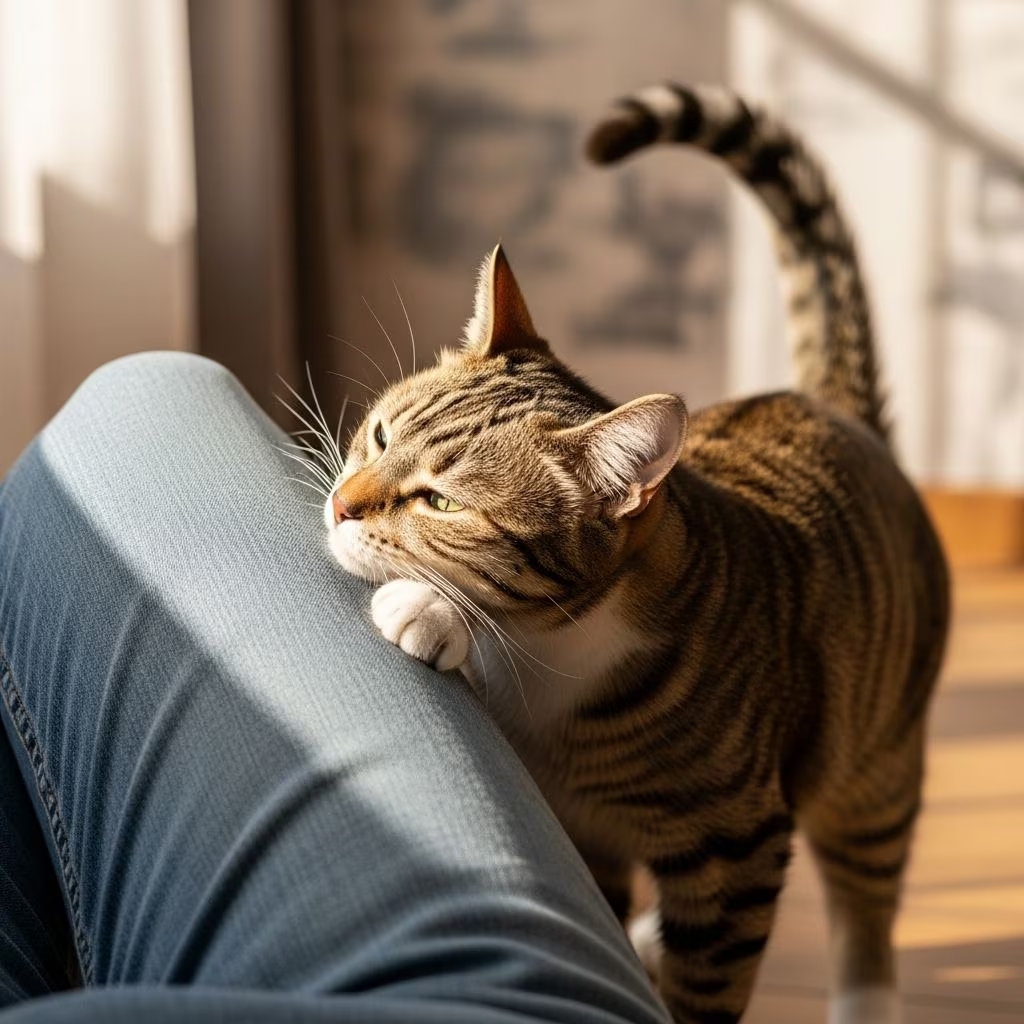
Why Do Cats Rub Up Against You? Is This Normal?
If your cat rubs their head against you when you get home, you’re likely experiencing one of the most endearing feline behaviors. That headbutt-like motion, often followed by body weaving between your legs, is called bunting—and it’s completely normal. But what does it really mean when your cat engages in this behavior? The answer is more complex and fascinating than you might think. Cats rub against you for several reasons, ranging from expressing deep affection to marking you as part of their territory. Understanding these motivations can help you build a stronger bond with your feline companion and recognize when rubbing behavior might signal something that requires attention.
What Does It Mean When a Cat Rubs Against You?
They’re Showing Affection
The most common and heartwarming reason cats rub against you is to show affection. According to veterinary experts, “cats who rub up against their people are usually showing affection,” with head rubbing, also called bunting or headbutting, serving as a way for cats to maintain positive connections within their groups. When your cat rubs their face on you, they’re communicating trust and comfort in your presence.
This behavior stems from how cats interact with one another in the wild and in multi-cat households. Just as cats groom and rub against each other to strengthen social bonds, they extend this same behavior to their human companions when they trust them. The act of rubbing releases endorphins in cats, making the experience physically pleasurable for them. This is particularly true because cats have specialized sensory organs called vibrissae, or whiskers, located on their face. When these sensitive whiskers come into contact with you during rubbing, it stimulates nerve endings that feel good to your cat and likely contributes to the release of feel-good hormones.
They’re Greeting You
When your cat rubs their head on you immediately after you arrive home, combined with meowing or purring, they’re using bunting as their unique way of greeting you. This is your cat’s version of saying “Hello, welcome home, I’m glad to see you—now get me some food!” As one veterinary specialist notes, it’s the kitty way of expressing joy at your return and reestablishing your bond after time spent apart.
This greeting behavior is particularly common in cats that have formed strong attachments to their owners. If your cat performs this ritual every time you come through the door, it’s a clear sign they’ve missed you and are excited to see you again. The combination of rubbing, meowing, and purring creates a multi-sensory greeting that demonstrates your cat’s emotional investment in your presence.
Territorial Marking and Scent Communication
Beyond affection and greeting, cats rub against you as a sophisticated form of territorial marking. Cats possess specialized scent glands located around their face, neck, flanks, and even paw pads. When your cat rubs against you, they’re activating these glands and depositing odorless pheromones on your body. These chemical signals are invisible and scentless to humans but communicate volumes to other animals.
Cats have developed a complex pheromone communication system over thousands of years of evolution. When cats rub their faces on you, they’re essentially claiming you as part of their territory and social group. This behavior is the cat’s way of saying, “You belong in my safe zone.” In multi-cat households, cats often recognize one another through these scent marks, and a cat may rub against the same object that another cat has marked to either reinforce the group scent or reclaim ownership.
When you leave your home for work or other activities, you pick up unfamiliar scents from the outside world. Your cat recognizes these foreign odors as a disruption to the family’s collective scent or “colony odor.” By rubbing against you when you return, your cat is actively working to restore that family scent profile and re-incorporate you into the group dynamic. This reestablishment of group scent is a crucial bonding mechanism in feline social structures.
They’re Claiming You as Their Own
When your cat rubs against you, they’re also communicating to other cats and animals that you belong to them. The pheromones deposited during bunting notify other animals that “this is my person.” While this might seem possessive to humans, it’s actually a sign of deep attachment and the formation of a strong social bond from your cat’s perspective.
In indoor-outdoor cats or those in multi-pet households, this claiming behavior becomes even more pronounced. Your cat is establishing ownership of you as a member of their social family, protecting their relationship with you from other potential rivals or competitors. This territorial aspect of rubbing behavior is perfectly normal and healthy, representing your cat’s way of securing their place in your life.
Other Reasons Your Cat Might Be Rubbing Against You
Attention-Seeking Behavior
Cats are intelligent beings who quickly learn cause-and-effect relationships with their human companions. If you consistently respond to your cat’s rubbing with treats, food, snuggles, or playtime, your cat will begin to use this behavior strategically to get what they want. Your cat understands that rubbing against your legs might prompt you to pet them, offer them dinner, give them treats, or open the door for outdoor access.
This learned behavior doesn’t indicate anything problematic—it simply demonstrates how smart your cat is. Cats are natural communicators who use a combination of head rubbing, meowing, purring, chirping, and even kneading to express their needs and desires. If your cat knows that rubbing will result in desired outcomes, they’ll employ this behavior intentionally and repeatedly.
However, if you’d prefer to reduce this behavior or redirect it, you may want to reconsider your response patterns. By rewarding rubbing with immediate attention or food, you may be inadvertently encouraging your cat to rub more frequently. If you want to discourage this behavior, try ignoring the rubbing and only providing positive attention when your cat engages in alternative behaviors you prefer.
Gathering Information from the Outside World
When your cat rubs against you upon your return home, they’re also gathering sensory information about where you’ve been and what you’ve encountered. Your cat’s sense of smell is approximately 14 times stronger than a human’s sense of smell, allowing them to detect and process an incredible amount of information through scent alone.
By rubbing against you and inhaling your scent, your cat can determine what places you’ve visited, what animals you’ve been near, and what new scents you’ve acquired throughout your time away. This information-gathering is an instinctive behavior that helps your cat understand their human’s activities and maintains their connection to their family member’s experiences.
Variations in Rubbing Behavior Between Individual Cats
Not all cats exhibit rubbing behavior equally, as individual personalities, upbringing, and breed characteristics significantly influence how each cat expresses affection. Some cats are naturally more tactile and demonstrative, while others are more reserved or independent.
Certain breeds are known for being more social and affectionate. Ragdolls and Maine Coons, for example, tend to rub more frequently and enthusiastically than some other breeds. These breeds have been selectively bred for their social and friendly nature, making bunting a more prominent part of their behavioral repertoire.
Former stray cats or those with limited early socialization may take considerably longer to exhibit rubbing behavior. These cats may require weeks or even months to build sufficient trust before they begin bunting against their human companions. However, once they do develop this behavior, it typically signals a significant breakthrough in their comfort level and bond with their owner.
Shy cats or those with anxious temperaments may rub less frequently than outgoing cats, but this doesn’t indicate a lack of affection. These cats simply have different personality types and may express their care through alternative behaviors like slow blinks, headbutts without full-body contact, or sitting nearby.
When Excessive Rubbing Might Signal a Problem
While rubbing against people, objects, and other cats is completely normal feline behavior, excessive or aggressive rubbing can sometimes indicate underlying health or behavioral concerns that warrant veterinary attention.
Medical Conditions Associated with Excessive Rubbing
If your cat has suddenly started rubbing more frequently, more aggressively, or has begun exhibiting this behavior in new contexts, consult your veterinarian. Several medical conditions can trigger excessive rubbing as a self-soothing mechanism:
- Allergies: Environmental or food allergies can cause itching and discomfort, leading cats to rub against surfaces and people to relieve the sensation
- Parasites: Fleas and ticks are among the most common culprits, causing intense itching that cats attempt to manage through rubbing
- Ear Infections: Infections in the ear canal cause pain and irritation, prompting cats to rub their faces and heads against objects
- Feline Hypersensitivity Disorder: This condition causes heightened skin sensitivity and itching, leading to increased rubbing behavior
- Neurological Issues: In rare cases, brain disorders, tumors, or inflammatory conditions can cause abnormal rubbing patterns
The Difference Between Normal Rubbing and Head Pressing
It’s important to distinguish between normal bunting (rubbing) and head pressing, which is a different behavior with more serious implications. Normal rubbing is soft, brief, and typically occurs while your cat is moving around. Your cat will rub their face against you, objects, or furniture in a gentle manner as part of normal social interaction.
Head pressing, by contrast, is firm and repetitive. Your cat will press their head firmly and persistently against walls, floors, or solid objects while remaining relatively stationary. This behavior often indicates a serious underlying condition such as brain disease, liver problems, poisoning, or other significant health issues. If you notice your cat engaging in head pressing rather than normal rubbing, seek veterinary attention promptly.
When Your Cat Bites While Rubbing
Some cats combine gentle bites with their rubbing behavior. If your cat bites you while rubbing against you, this typically indicates that they’ve become overexcited during the interaction. Cats are natural hunters with instinctive predatory behaviors, and when they reach a certain level of stimulation, these instincts can surface in the form of gentle bites or nips.
If your cat exhibits this behavior, it’s helpful to provide them with appropriate outlets for their hunting instincts, such as interactive toys, wand toys, or puzzle feeders that allow them to engage their predatory nature in safe, controlled ways.
How to Respond to Your Cat’s Rubbing Behavior
Most cats rub against their owners because they genuinely enjoy the interaction and want to strengthen your bond. Responding positively to appropriate rubbing behavior reinforces your cat’s trust and security. You can gently pet your cat, offer verbal affection through soft words and encouragement, or simply enjoy the moment of connection.
However, if you find the behavior disruptive or want to modify it, consistency is key. By not rewarding rubbing with immediate treats or food, you can gradually reduce the frequency of this behavior. Instead, initiate affection on your own terms, rewarding your cat when they engage in behaviors you actively encourage.
Frequently Asked Questions
Q: Is my cat showing me affection when they rub against me, or do they just want attention?
A: Your cat is likely doing both. Bunting is primarily a sign of affection and trust, but cats are smart enough to have learned that rubbing often results in getting attention, food, or treats. The behavior usually starts as genuine affection but becomes reinforced when they learn the positive outcomes.
Q: Why does my cat rub against me more when I first get home?
A: Your cat rubs against you when you return home to restore the family scent or “colony odor” that’s been disrupted by your time away. They’re also greeting you and reestablishing your bond while gathering sensory information about where you’ve been.
Q: Should I be worried if my cat rubs against me excessively?
A: If the excessive rubbing is a new behavior or represents a significant change in your cat’s habits, consult your veterinarian. This could indicate allergies, parasites, ear infections, or other medical conditions. However, if your cat has always been a frequent rubber, it’s likely just their personality.
Q: Can all cats rub against people?
A: Not all cats rub equally. Breed, personality, and early socialization influence rubbing frequency. Social breeds like Ragdolls rub more readily, while former strays or shy cats may take longer to exhibit this behavior, but often will once they build trust.
Q: What’s the difference between normal rubbing and head pressing?
A: Normal rubbing is soft, brief, and occurs while your cat moves. Head pressing is firm, repetitive, and happens while your cat is stationary or disoriented. Head pressing can indicate serious health issues and requires veterinary attention.
References
- Why Do Cats Rub Against You? We Asked a Veterinarian — Country Living. https://www.countryliving.com/life/kids-pets/a62392728/why-cats-rub-against-you-explained/
- Why Do Cats Rub Against You? — Chewy Education Center. https://www.chewy.com/education/cat/training-and-behavior/why-do-cats-rub-against-you
- Why Does My Cat Rub Against Me? — Cats Protection, UK. https://www.cats.org.uk/cats-blog/why-does-my-cat-rub-against-me
- Why Do Cats Rub Against You? Cat Bunting vs. Head Pressing — Pet Health Club. https://www.pethealthclub.com/uk/pet-advice/why-do-cats-rub-against-you
- What It Means When a Cat Rubs Against You — PetsCare.com. https://www.petscare.com/news/faq/is-it-good-if-a-cat-rubs-against-you-3
- Why Does My Cat Rub Against Everything? — Catonsville Cat Clinic. https://www.catonsvillecatclinic.com/holmes-corner/why-does-my-cat-rub-againsteverything/



