

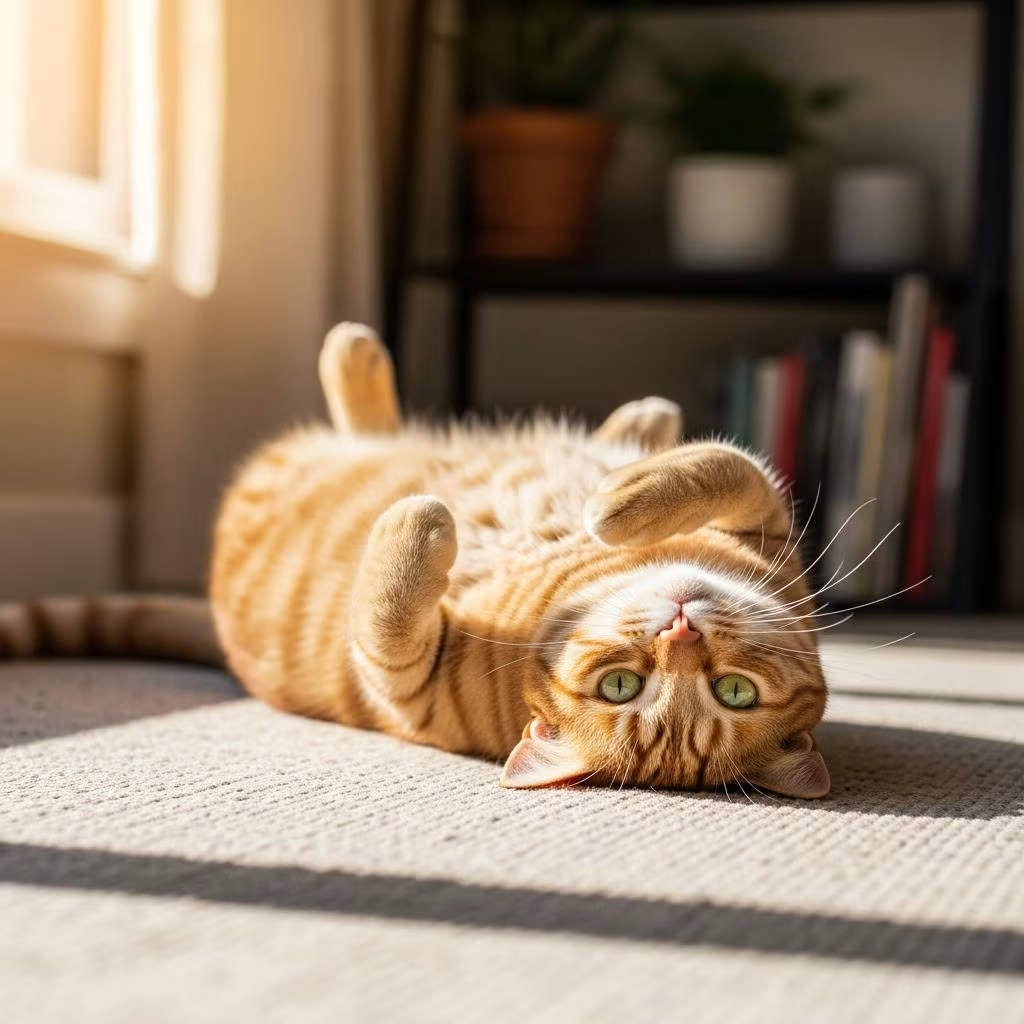
Cats rolling on their backs is a common and endearing behavior that can puzzle even experienced pet owners. This playful flop often exposes their vulnerable belly, prompting questions about whether it’s an invitation for pets or a sign of something else. In reality, cats roll over for a variety of reasons rooted in instinct, comfort, communication, and health. Understanding these motivations helps strengthen the bond with your feline friend and ensures you respond appropriately.
From expressing trust and seeking play to marking territory or relieving an itch, each roll carries a message. Female cats in heat may roll excessively due to hormonal urges, while others do it post-nap for a good stretch. Rarely, it signals discomfort or defense. This comprehensive guide breaks down the science and psychology behind why cats roll on their backs, drawing from veterinary insights and behavioral studies. Whether your cat greets you with a belly-up wiggle or rolls solo, you’ll learn to decode it all.
1. Scratching an Itch
One of the simplest explanations for a cat rolling on its back is to relieve an itch it can’t reach with its paws. Cats have flexible bodies, but spots along the spine or mid-back often prove tricky. By grinding against the floor, carpet, or grass, they effectively scratch hard-to-reach areas.
Fleas, dry skin, or allergies frequently cause this itchiness. If your cat suddenly rolls more than usual, accompanied by excessive grooming or bald patches, consult a vet to rule out parasites or dermatitis. Environmental factors like dust or new laundry detergents can also irritate sensitive feline skin. Over time, what starts as itch relief might evolve into a learned attention-grabbing trick, as cats notice owners responding with pets or play.
- Signs of itch-related rolling: Rapid, frantic movements focused on one area; visible fleas or dandruff; redness or scabs.
- What to do: Check for parasites, bathe gently if needed, and use vet-recommended flea preventatives.
2. Stretching Their Muscles
Cats are natural athletes, sleeping up to 16 hours a day but bursting into activity when awake. Rolling on the back post-nap serves as a full-body stretch, loosening muscles from ears to tail. This ‘cat yoga’ realigns the spine, improves circulation, and prepares them for hunting or play.
Observe your cat: they often extend paws skyward, arch their back, then flop side-to-side in a rhythmic motion. This is especially common after deep sleep, mimicking wild cats shaking off slumber in the wild. Interrupting this routine can startle them, so wait for an invitation before engaging. Regular stretching prevents stiffness in older cats and supports joint health.
3. They Feel Safe With You
Exposing the belly is a profound trust signal in cat language. The abdomen houses vital organs and lacks protective fur, making it a no-go zone for most predators. When your cat rolls over upon seeing you, meowing softly with relaxed paws, it’s saying, ‘I trust you completely’.
This vulnerability stems from kittenhood, where safe bellies mean play with littermates. Adult cats reserve it for favored humans. IAABC-certified consultant Allison Hunter-Frederick notes it’s a relaxation display, not always a rub invite—proceed cautiously to avoid defensive scratches. Building this trust through consistent, gentle interactions deepens your relationship.
“Cats only expose their bellies when they feel safe and relaxed.”
4. They’re Attention-Seeking
Cats are clever opportunists. Rolling in your path, complete with purrs and eye contact, is a calculated bid for pets, treats, or playtime. Once rewarded, they repeat the behavior, reinforcing the cycle.
This tactic works because humans can’t resist a fluffy belly. It often coincides with your return home, blocking doorways until acknowledged. Respond positively to encourage bonding, but set boundaries to prevent demanding antics.
5. They Want To Play
Playful energy drives many rolls, especially in kittens and young adults. Writhing on the back, batting at shadows, or chasing their tail mimics hunting prey. It’s an invitation: ‘Join the fun!’.
Offer toys like feather wands or laser pointers to channel this instinct. Play reduces boredom, prevents destructive behavior, and keeps cats physically fit. Watch for playful cues like dilated pupils and twitching tail.
6. They’re Marking Their Territory
Cats possess scent glands on cheeks, flanks, and back. Rolling spreads pheromones, claiming floors, furniture, or grass as ‘mine’. This communicates to other cats: stay away. Indoor cats mark familiar spots; outdoor ones patrol yards.
Females post-mating may roll to erase a rival male’s scent, increasing conception odds with multiple partners. Spaying eliminates heat-related marking and yowling.
7. They’re in Heat
Unspayed females roll excessively during estrus (heat), driven by hormones. This erratic, vigorous behavior pairs with loud meows, rubbing, and raised hindquarters. It signals readiness to mate and aids ovulation post-copulation.
Spay by 6-12 months to prevent litters, cancers, and nuisances. Males may respond aggressively to scents.
8. Environmental or Cooling Response
Hot weather prompts rolling in cool dirt or shade to regulate body temperature (up to 102.5°F normal). Pests like fleas exacerbate this.
9. They’re Preparing To Defend Themselves
Context matters: defensive rolls show claws out, hissing, and tension—opposite of trust rolls. At vets or with threats, it’s a warning: back off.
Do Cats Want Belly Rubs When They Roll?
No universal yes. Trust rolls relax cats, but wild instincts trigger defense. Test gently; stop at signs of discomfort.
| Behavior Type | Body Language | Appropriate Response |
|---|---|---|
| Trust/Play | Relaxed paws, purring | Gentle pets (avoid belly initially) |
| Defensive | Claws extended, hissing | Back away slowly |
| Itch/Heat | Frantic, vocalizing | Vet check or spay consult |
Frequently Asked Questions (FAQs)
Why does my cat roll on her back and meow?
Typically attention, play, or heat (if unspayed). Monitor for patterns.
Is it okay to rub my cat’s belly when she rolls over?
Proceed cautiously; many cats scratch due to sensitivity.
What if my cat rolls on their back a lot suddenly?
Check for itches, fleas, or health issues. Vet visit recommended.
Do male cats roll on their backs too?
Yes, for play, trust, stretch—heat is female-specific.
Should I worry if my cat rolls outside?
Often marking or cooling; watch for overdoing it in heat.
References
- Why Do Cats Roll Around on Their Back? — Cats.com. 2023. https://cats.com/why-do-cats-roll-around-on-their-back
- If a Cat Rolls on Its Back — Everhart Veterinary Hospital. 2023. https://www.everhartvet.com/if-a-cat-rolls-on-its-back/
- 7 Reasons Why Your Cat Rolls Around — Rover.com. 2023. https://www.rover.com/blog/why-do-cats-roll-around/
- Ask the Vet: Why Does My Cat Roll Over When He Sees Me? — Sunset Vet Clinic. 2023. https://www.sunsetvetclinic.com/blog/ask-the-vet-why-does-my-cat-roll-over-when-he-sees-me
- Feline Behavior Explained: Why Your Cat Rolls, Rubs and Hides — Drelsey’s. 2023. https://drelseys.com/feline-behavior-explained-why-your-cat-rolls-rubs-and-hides/



