

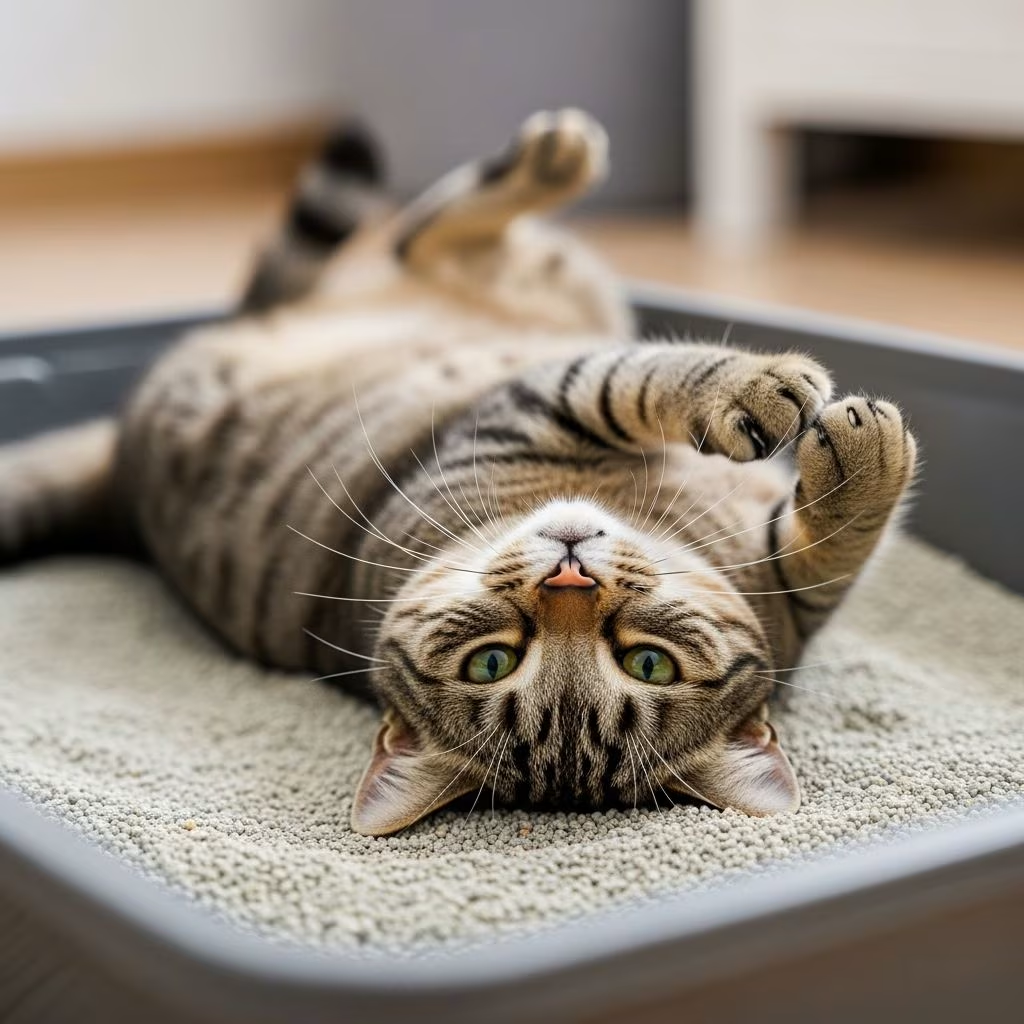
As cat owners, witnessing our feline friends rolling around in their litter box can be both baffling and a bit gross. Unlike humans who avoid rolling on bathroom floors, cats engage in this behavior for instinctual reasons that make perfect sense in their world. This comprehensive guide dives into the **four primary vet-approved reasons** why cats roll in litter, explores related behaviors like playing in the box, and offers practical advice on management and when to consult a vet. Understanding these quirks helps foster a stronger bond with your pet while keeping your home cleaner.
The 4 Reasons Why Cats Roll Around in the Litter Box
Cats exhibit this rolling behavior due to a mix of instinct, sensory pleasure, and communication needs. Here’s a breakdown of the most common explanations, supported by veterinary insights and feline behavior studies.
Scent Marking
**Scent marking** stands out as one of the top reasons cats roll in their litter box. Felines possess scent glands located on their cheeks, paws, flanks, and tail base, which secrete pheromones—chemical signals unique to each cat. When a cat rolls in the litter, it transfers these pheromones onto the substrate, effectively claiming the box as their territory.
This possessive behavior is especially prevalent in multi-cat households, where competition for resources like the litter box can intensify. By rubbing and rolling, your cat reinforces its presence, deterring others from encroaching. Outdoor cats exhibit similar actions in dirt or grass, an ancestral trait for territory delineation. In indoor settings, the litter box becomes a prime scent-marking spot due to its association with elimination scents.
Interestingly, this isn’t just about ownership; pheromones also communicate reproductive status or social hierarchy to other cats. If you notice increased rolling during introductions of new pets, it’s likely territorial reinforcement at play.
Curiosity
Young kittens and curious adult cats often roll in litter out of sheer **exploration**. Kittens, in particular, are discovering their world through play and sensory experiences. The litter’s texture, movement, and scent provide novel stimulation, prompting them to paw, dig, and roll as part of learning “cat” behaviors.
This curiosity peaks during the playful kitten stage (typically 2-6 months), where everything—from litter granules to box edges—becomes a toy. Even adult cats retain this inquisitive nature, especially if bored or in a new environment. Sampling litter (chewing or licking) sometimes accompanies rolling, though it’s usually harmless unless the litter is toxic.
To channel this energy, introduce puzzle toys or scratching posts mimicking litter’s scrunchy feel, reducing box-focused curiosity over time.
Comfort and Play
Many cats simply enjoy the **comfort and play** aspect of rolling in litter. The cool, soft granules massage their skin and fur, akin to rolling in grass, carpet, or sand—natural preferences rooted in wild cat behaviors like dust bathing.
Litter’s texture provides soothing relief, stress reduction, or boredom busting. Anxious cats may retreat to the box as a safe haven, rolling to self-soothe during household changes like moves or new family members. Playful rolling often involves batting granules, treating them as “prey,” especially in energetic young cats.
The enclosed space of covered boxes enhances this appeal, offering security. If your cat lounges or naps post-roll, it’s likely finding the spot cozy rather than just playful.
Female Cats in Heat
For intact (unspayed) female cats, rolling intensifies during **estrus (heat cycles)**. Hormonal surges make them affectionate and restless, prompting excessive rolling, especially when pressure contacts their lower back or rump—like entering a hooded litter box.
This mimics mating invitations in the wild, where females roll to signal readiness. Spaying eliminates these cycles, curbing the behavior. Males may also roll more around estrous females, drawn by pheromones. Veterinary recommendation: Spay by 5-6 months to prevent heat-related issues and health risks like pyometra.
Why Is My Cat Playing in the Litter Box?
Playing in the litter box extends beyond rolling, encompassing digging, jumping, and scattering. While not always concerning, understanding triggers helps manage mess and health.
Cats don’t view the litter box as a “bathroom” taboos like humans; it’s a multi-purpose territory hub. Key play reasons include:
- Texture Enjoyment: Granules feel like beach sand, ideal for pawing and rolling.
- Enclosed Hideout: Boxes mimic safe dens, perfect for ambush play.
- Stress Relief: Digging/rolling calms anxious cats amid changes.
- Hunting Simulation: Moving litter invites pouncing, especially in kittens.
- Boredom: Lack of stimulation redirects energy to the box.
In multi-cat homes, play may mask territorial disputes; provide one box per cat plus one extra. Regular brushing reduces itch-driven play, while flea preventatives address parasite-related rolling.
When to Worry: Signs of Health Issues
Occasional rolling is benign, but sudden increases with symptoms warrant a vet visit:
| Symptom | Possible Issue | Action |
|---|---|---|
| Excessive time in box | Urinary tract infection (UTI), crystals | Vet exam, urinalysis |
| Straining, blood in urine | Bladder stones, Feline Lower Urinary Tract Disease (FLUTD) | Immediate vet care |
| Itching, hair loss | Fleas, allergies, dry skin | Parasite check, litter switch |
| Lethargy, vomiting | Systemic illness | Full checkup |
Stress indicators include hiding or aggression; enrich environment with toys. Low-quality litter may cause allergies—opt for dust-free, natural options.
How to Discourage Litter Box Rolling and Play
While harmless, mess prompts intervention. Strategies include:
- Litter Switch: Try larger granules or paper-based to deter texture appeal.
- Box Type: Use open, larger boxes; avoid hoods for heat-sensitive cats.
- Enrichment: Add cat trees, interactive toys, window perches for alternatives.
- Cleaning Routine: Scoop daily; deep clean weekly to reduce scent buildup.
- Brushing/Grooming: Regular sessions satisfy itch without litter.
Positive reinforcement: Reward box-exit with treats, ignoring play. Never punish—stress worsens behavior.
Frequently Asked Questions (FAQs)
Is it normal for cats to roll in their litter box?
Yes, it’s a common, normal behavior driven by instinct, play, or comfort for most cats.
Why does my kitten roll in the litter box?
Kittens roll out of curiosity and learning; provide toys to redirect energy.
Does rolling in litter mean my cat has fleas?
Possibly, if accompanied by scratching; check for parasites and use preventatives.
Should I stop my cat from playing in the litter box?
Not if healthy, but manage with enrichment and litter changes to minimize mess.
When should I take my cat to the vet for litter box rolling?
If sudden, with straining, blood, or excessive time—could indicate UTI or stress.
Conclusion
Cats rolling in their litter box is typically a harmless expression of natural instincts, from scent marking territory to enjoying sensory play. By understanding these **4 vet-approved reasons**—scent marking, curiosity, comfort/play, and heat—you can appreciate your cat’s quirks rather than fret. Monitor for health red flags, enrich their world, and tweak litter setups for less mess. A happy, stimulated cat means less box antics and more harmonious living. Spaying/neutering remains key for behavioral and health stability.
References
- Why Do Cats Roll Around in the Litter Box? 4 Vet-Approved Reasons — Catster. 2023. https://www.catster.com/cat-behavior/why-do-cats-roll-in-litter/
- Why Do Cats Like Rolling in Litter Boxes? — PrettyLitter. 2023. https://www.prettylitter.com/blog/why-do-cats-like-rolling-in-litter-boxes
- Cat Playing in Litter Box: Why & How To Stop It — Litter-Robot. 2023. https://www.litter-robot.com/blog/cat-playing-in-litter-box/
- Why Does My Cat Play in the Litterbox? — Heart of Chelsea Veterinary Group. 2023. https://heartofchelsea.com/blog/cat-playing-in-litterbox/



