

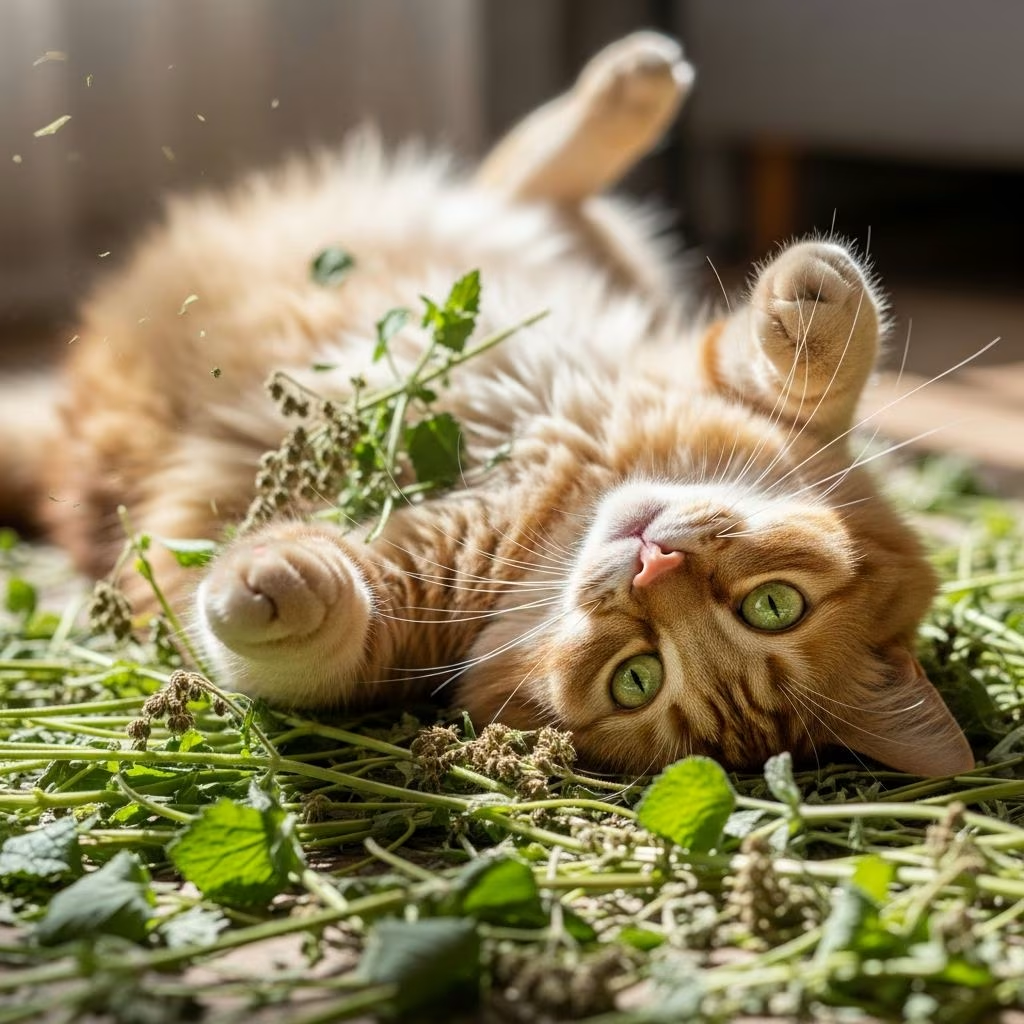
Cats roll in catnip due to nepetalactone, an essential oil in the plant that binds to nasal receptors, triggering euphoric behaviors like rolling, rubbing, and hyperactivity via brain stimulation linked to emotion and pleasure centers.
What Is Catnip?
Catnip, scientifically known as Nepeta cataria, is a perennial herb from the mint family native to Europe, Asia, and Africa, now widespread in North America. It grows up to three feet tall with heart-shaped leaves, white flowers, and a distinctive minty scent. The key compound, nepetalactone, is concentrated in its leaves, stems, and seeds, responsible for feline attraction.
Humans have used catnip for centuries in herbal teas for digestion or as an insect repellent, but for cats, it’s a potent behavioral stimulant when sniffed. About 50-70% of cats are genetically sensitive to it, with responses emerging around 6 months of age.
How Does Catnip Affect Cats?
When cats sniff catnip, nepetalactone enters the nasal passages and binds to receptors, stimulating sensory neurons that signal the brain’s olfactory bulb and vomeronasal organ. This mimics feline pheromones, activating pleasure and emotion centers, leading to a temporary high lasting 5-15 minutes.
Effects vary: sniffing causes euphoria with rolling, rubbing, purring, meowing, hyperactivity, or aggression; eating induces calm and relaxation via digestion. Cats become temporarily refractory for 1-2 hours post-exposure.
Why Do Cats Roll Around in Catnip?
Rolling in catnip is a hallmark response, serving multiple instinctual purposes. Cats rub and roll to coat their fur with nepetalactone, intensifying the scent and self-stimulating further. This behavior mimics mating postures, scent-marking territory, or ecstatic pleasure displays.
- Scent Marking: Transfers potent oils onto the cat’s coat for prolonged exposure and territorial claiming.
- Mating Simulation: Belly-up rolling resembles female cats in heat or males responding to pheromones.
- Euphoric Release: Triggers muscle contractions, head shaking, drooling, and playful kicking as the brain floods with feel-good signals.
- Grooming Enhancement: Post-roll, cats often groom excessively to savor the scent.
This rolling frenzy, often accompanied by chirping or growling, peaks within seconds to minutes before subsiding.
What Does a Cat High Look Like?
A “catnip high” manifests in diverse, breed- and individual-specific ways, resembling mild intoxication without harmful disorientation.
| Behavior | Description |
|---|---|
| Hyperactivity | Zoomies, leaping, chasing imaginary prey; burns energy effectively. |
| Relaxation | Flopping, purring, content rolling; post-peak calm. |
| Affection | Increased rubbing on owners, seeking pets. |
| Vocalization | Meowing, yowling, growling more frequently. |
| Playfulness | Pouncing, batting toys with heightened enthusiasm. |
Behaviors last 10 minutes on average, varying by potency and cat sensitivity.
Is Catnip Genetic?
Yes, catnip sensitivity is hereditary, dominant trait linked to a specific gene. Roughly 60-70% of cats react, with full siblings sharing response patterns. Kittens under 6 months and about 30% of adults are immune, a harmless genetic variation.
Breed differences exist minimally; domestic shorthairs show typical rates, while some wild felids like lions respond similarly. Sensitivity doesn’t fade with age but can habituate with overuse.
How Long Does a Catnip High Last?
Typical sessions endure 5-15 minutes, influenced by catnip freshness, quantity, and individual tolerance. Post-high, olfactory fatigue renders cats unresponsive for 30 minutes to 2 hours, preventing overstimulation.
To maximize effect, rotate toys or limit to 1-2 times weekly.
Is Catnip Safe for Cats?
Catnip is non-addictive and safe in moderation; it doesn’t cause true dependency like drugs. No toxicity reports from sniffing; ingestion may cause mild digestive upset if excessive.
- Benefits: Stress relief, exercise promotion (ideal for seniors), appetite stimulation, vet visit calmer.
- Risks: Rare allergies (itching, vomiting); overstimulation leading to aggression or injury; tolerance buildup.
Monitor first exposures; discontinue if adverse signs appear. Consult vets for pregnant or health-compromised cats.
Can Cats Overdose on Catnip?
Overdose is rare but possible with massive ingestion: symptoms include vomiting, diarrhea, lethargy, ataxia, or seizures. Sniffing alone poses no overdose risk.
Treatment involves withholding access, hydration, and vet care for severe cases (fluids, anti-emetics). Prevention: portioned toys, supervision.
Toy Rotation
To combat habituation, rotate catnip-infused items weekly. Store in airtight containers to preserve potency; refresh dried catnip every 6-12 months.
Alternatives to Catnip
Non-responders or variety-seekers enjoy:
- Silver Vine (Actinidia polygama): Stronger nepetalactone-like effects; popular in Asia.
- Cat Thyme (Teucrium marum): Similar minty stimulant.
- Valerian Root: Calming, earthy scent for sedative response.
- Honeysuckle or Tatarian Honeysuckle: Wood-based with actinidine compound.
Test small amounts; combine for enrichment.
How to Give Your Cat Catnip
Safe administration methods:
- Sprinkle: Lightly dust toys, scratchers, or bedding; vacuum after use.
- Toys: Stuff into kickers, mice, or balls; freeze for longer effect.
- Growing: Plant in pots away from cats until harvest.
- Treats: Infused kibble or sprays for controlled doses.
Start small, observe reactions, use 2-3 times weekly max.
Frequently Asked Questions (FAQs)
What is catnip, and why do cats love it?
Catnip is Nepeta cataria, loved for nepetalactone that triggers euphoria via nasal-brain pathways.
Why do cats roll in catnip specifically?
Rolling spreads the scent on fur, simulates mating/scent-marking, and heightens pleasure.
Does catnip get cats high like marijuana?
It induces euphoria and altered behavior but without hallucinations or toxicity; safer, shorter-lasting.
Can all cats have catnip?
70% yes (post-6 months); 30% immune genetically. Safe for kittens over 6 months in moderation.
Is catnip addictive for cats?
No addiction; habituation occurs, mitigated by rotation.
How much catnip is too much?
Sniffing: unlimited safely; eating large amounts risks GI upset. Supervise.
References
- What Is Catnip? | Humane World for Animals — Humane World. 2023. https://www.humaneworld.org/en/resources/catnip-benefits-uses-for-cats
- The Pros and Cons of Catnip: Understanding its Effects on Cats — BaxterBoo. 2023. https://www.baxterboo.com/blog/a.cfm/pros-cons-catnip-understanding-its-effects-on-cats/
- What is Catnip? The Effects Catnip Has on Cats — Boulder Veterinary Hospital. 2024-01-14. https://bouldervet.com/blog/the-effects-catnip-has-on-cats/
- What Is Catnip and What Does It Do to Cats? — PetMD. 2024. https://www.petmd.com/cat/general-health/what-is-catnip
- How Catnip Takes Cats to their Happy Place — GoldBio. 2023. https://www.goldbio.com/blogs/articles/how-catnip-take-cats-to-their-happy-place
- Are catnip and treats like it safe for cats? — University of Melbourne Find an Expert. 2023-11-28. https://findanexpert.unimelb.edu.au/news/74658-are-catnip-and-treats-like-it-safe-for-cats%3F-here’s-how-they-affect-their-minds-and-moods



