

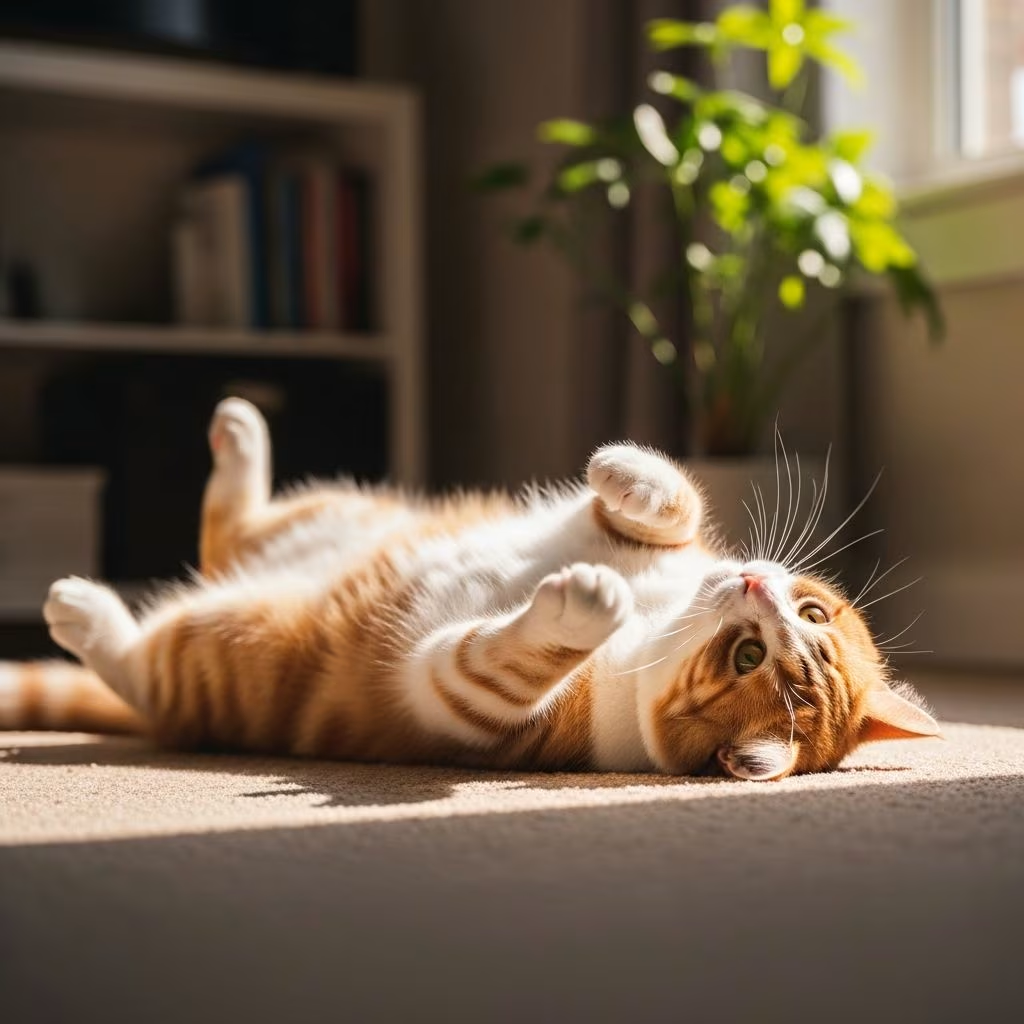
Why Do Cats Roll Around on Their Back?
One of the most endearing and quirky behaviors cat owners witness is when their feline companion flops onto their back and rolls around. This seemingly playful gesture often makes owners smile, but have you ever wondered what your cat is actually trying to communicate? Cats roll on their backs for multiple reasons, ranging from simple physical needs like scratching an itch to complex social behaviors like showing trust and marking territory. Understanding these behaviors helps you better interpret your cat’s body language and strengthens your relationship with your pet.
Cats are mysterious creatures, and their body language can sometimes be difficult to interpret. However, when you understand why your cat rolls around on their back, you’ll gain valuable insight into their emotional state and physical needs. Holistic veterinarian Dr. Candy Akers confirms that rolling around is a natural and normal cat behavior that allows cats to express themselves through body language, much like they use their tails and ears to show their mood.
1. She Has an Itch
One of the most straightforward explanations for why your cat rolls on their back is simply that they have an itch that needs scratching. Cats cannot always reach certain areas of their body with their paws alone, particularly spots along their spine and back. When your cat can’t reach an annoying spot with their paws, rolling their spine against the floor is an effective way to alleviate that irritation.
If your cat frequently rolls on their back and seems particularly interested in scratching, pay attention to other signs that might indicate a skin condition. Fleas commonly cause itchiness in cats, so if your cat suddenly seems very itchy or you notice excessive rolling behavior combined with hair loss or red patches, it’s important to consult your veterinarian. What may have started as a way to scratch an itch can also become a learned behavior if your cat discovers that rolling gets them attention from their owner.
2. They’re Stretching Their Muscles
Just like humans, cats need to stretch their muscles regularly to stay limber and healthy. You’ll often notice your cat rolls onto their back and stretches their entire body out right after waking from a nap. This is a completely normal part of their routine and helps them prepare their muscles for activity.
Cats may roll around on their back multiple times to wake themselves up and get their body ready for action. If you observe your cat doing this stretch-roll sequence after sleeping, it’s best to let them complete their stretching routine and leave them alone until they come to you for attention. This natural behavior is essential for maintaining your cat’s flexibility and muscle tone.
3. They Feel Safe With You
Perhaps the most meaningful reason your cat rolls on their back is to demonstrate trust and safety. A cat’s belly is one of their most vulnerable areas, containing vital organs and sensitive skin. Naturally, cats are protective of this exposed area, as their wild ancestors needed to guard their stomachs from potential threats.
When your cat greets you by rolling over and showing you their sensitive belly, this is a sign they completely trust you and feel safe in your presence. Your cat is essentially saying they know you will protect them and that they’re comfortable enough to expose their most vulnerable area around you. This behavior is a genuine compliment and demonstrates the strong bond between you and your feline friend. However, it’s important to remember that this belly exposure doesn’t necessarily mean your cat wants a belly rub—more on that later.
4. They’re Attention-Seeking
Cats are remarkably intelligent animals, and they quickly learn which behaviors get them the attention they desire. If your cat has discovered that rolling on their back in front of you results in you stopping what you’re doing to interact with them, they will repeat this behavior intentionally.
Cats are excellent observers of human behavior and understand cause and effect. Once your cat learns that rolling on their back is a sure-fire way to get your attention, they may perform this action whenever they want you to notice them. This is particularly common if your cat rolls over when you come home from work or school, signaling their excitement to see you and desire for interaction.
5. They Want To Play
Closely related to attention-seeking behavior, your cat may be rolling on their back because they’re feeling playful and want to encourage you to engage in interactive play. Rolling behavior combined with other playful signs can indicate your cat is in the mood for some fun.
A playful cat might wriggle around on their back, swoosh from side to side, or even play with their own tail. These are all signs that your cat is feeling energetic and wants to engage. Playing is essential for cats as it allows them to use their natural hunting instincts and helps them exercise both mentally and physically. If you’re unsure whether your cat wants to play, try offering them a small toy to bat around or use a feather teaser toy to encourage them to chase and pounce.
6. They’re Marking Their Territory
Cats possess scent glands throughout their bodies, which they use primarily for marking territory and communicating with other cats. When your cat rolls on their back, they’re spreading these scent pheromones around their environment, signaling to other neighborhood cats that this territory has already been claimed.
In addition to rolling, cats also mark their territory by rubbing their cheeks or flanks along objects in their environment. This behavior is a way of communicating with other cats in the area, essentially warning them that this space belongs to your cat. Understanding this territorial behavior can help you appreciate how your cat views their home environment and why they might be more likely to roll around in certain areas of your house or yard.
7. It’s in Their Genes
Interestingly, breed may play a significant role in how frequently your cat rolls around. Cat breeds that are naturally more relaxed, trusting, and friendly around people—such as Scottish Folds and Ragdolls—tend to roll around more frequently than other breeds. These cats are generally more comfortable putting themselves in vulnerable positions because they’ve been bred to be social and affectionate.
If you own a breed known for being particularly cuddly and social, you may notice your cat rolls on their back more often than someone with a more independent breed. This genetic predisposition doesn’t mean other cats won’t display this behavior, but it does suggest that breed characteristics can influence how frequently and enthusiastically your cat engages in back-rolling behavior.
8. They’re in Heat or Recently Mated
For unspayed female cats, rolling behavior often increases significantly during their heat cycle or after mating. This behavior is hormonally driven and can be quite vigorous and erratic. Female cats between six and twelve months old may roll around much more than usual when in heat, and this behavior becomes even more pronounced after mating has occurred.
The rolling behavior after mating is particularly intense and is often accompanied by loud vocalizations, spraying, and increased demands for attention. Feline biologists hypothesize that this intense rolling behavior after mating may help move sperm toward the eggs, increasing the chances of successful fertilization. If you do not want kittens and your female cat is displaying these heat-related behaviors, consult your veterinarian about spaying as soon as possible. Spaying will not only prevent unwanted litters but also eliminate these disruptive behaviors and related health risks.
9. They’re Preparing To Defend Themselves
While rolling on the back is often a sign of trust and relaxation, context is crucial. If your cat feels threatened or frightened, they might roll on their back in a very different way—as a defensive posture rather than a display of trust. In this situation, you’ll notice accompanying signs of aggression such as extended claws, bared teeth, and hissing.
Some cats, particularly those frightened at the veterinarian’s office, may assume this defensive rolling position when trying to warn people to back away. This aggressive rolling is distinctly different from the relaxed, happy roll your cat gives you when they’re pleased to see you. Understanding the context and accompanying body language signals will help you interpret whether your cat is showing trust or preparing for self-defense.
Environmental and Health Factors
Beyond behavioral reasons, environmental factors can also trigger rolling behavior in cats. Cats naturally have high body temperatures, running as high as 102.5°F, so on hot summer days, your cat may roll in shady patches of grass or dirt to cool off and lower their body temperature. This is a natural thermoregulation mechanism that helps cats stay comfortable in warm weather.
Additionally, external parasites like fleas or lice can lead to irritated fur and skin, causing cats to roll around as a way to soothe the discomfort. If you notice your cat rolling excessively in combination with other symptoms such as redness, bumps, hair loss, or increased scratching elsewhere on their body, these could be signs of a medical issue requiring veterinary attention.
Understanding Belly Exposure: An Important Distinction
While many cat owners assume that when a cat rolls on their back and exposes their belly, they’re inviting belly rubs, this is actually a common misconception. Many cats instinctively lash out by biting or scratching when their belly is touched, which can be confusing for owners who interpret the belly exposure as an invitation.
This defensive reaction is inherited from their wild ancestors, as the belly is their most vulnerable area where vital organs are located. When cats are in a state of complete relaxation and roll over, belly exposure is simply part of that relaxed posture, not necessarily an open invitation for physical contact. It’s important to respect your cat’s boundaries and observe their body language carefully. If your cat shows signs of discomfort when you approach their belly, it’s best to admire their trust from a distance rather than attempting to pet them in that sensitive area.
Frequently Asked Questions
Q: Why do cats roll on their back when they see you?
A: One of the most common reasons is that they are pleased to see you. Showing their belly means they trust you and feel safe in your company. Your cat might also be feeling playful and trying to encourage you to interact with them or get your attention.
Q: Does rolling on their back mean my cat wants a belly rub?
A: Not necessarily. While belly exposure indicates relaxation and trust, many cats do not enjoy being touched on their bellies and will scratch or bite if you attempt to pet this area. Always respect your cat’s boundaries and watch for signs of discomfort.
Q: What if my cat is rolling excessively?
A: If your cat is rolling excessively, especially if combined with symptoms like hair loss, redness, or intense scratching, consult your veterinarian. This could indicate fleas, parasites, or a skin condition requiring medical attention.
Q: Is rolling on the back a sign of a happy cat?
A: Often yes, but not always. Rolling can indicate happiness and trust, but it can also mean your cat has an itch, is stretching, is feeling hot, or wants attention. Context and accompanying body language signals are important for accurate interpretation.
Q: Do all cats roll on their backs the same way?
A: No. Some breeds are more likely to roll around than others, particularly those bred to be social and friendly. Additionally, the style of rolling can indicate different things—a relaxed, slow roll differs greatly from an erratic, vigorous roll.
References
- Why Do Cats Roll Around on Their Back? — Cats.com. https://cats.com/why-do-cats-roll-around-on-their-back
- 7 Reasons Why Your Cat Rolls Around — Rover.com. https://www.rover.com/blog/why-do-cats-roll-around/
- Ask the Vet: Why Does My Cat Roll Over When He Sees Me? — Sunset Veterinary Clinic. https://www.sunsetvetclinic.com/blog/ask-the-vet-why-does-my-cat-roll-over-when-he-sees-me
- Feline Behavior Explained: Why Your Cat Rolls, Rubs and Hides — Dr. Elsey’s. https://drelseys.com/feline-behavior-explained-why-your-cat-rolls-rubs-and-hides/
- Why Does My Cat Show Their Belly? — Agria Pet Insurance. https://www.agriapet.co.uk/guides-and-advice/cat-rolling-on-its-back/



