

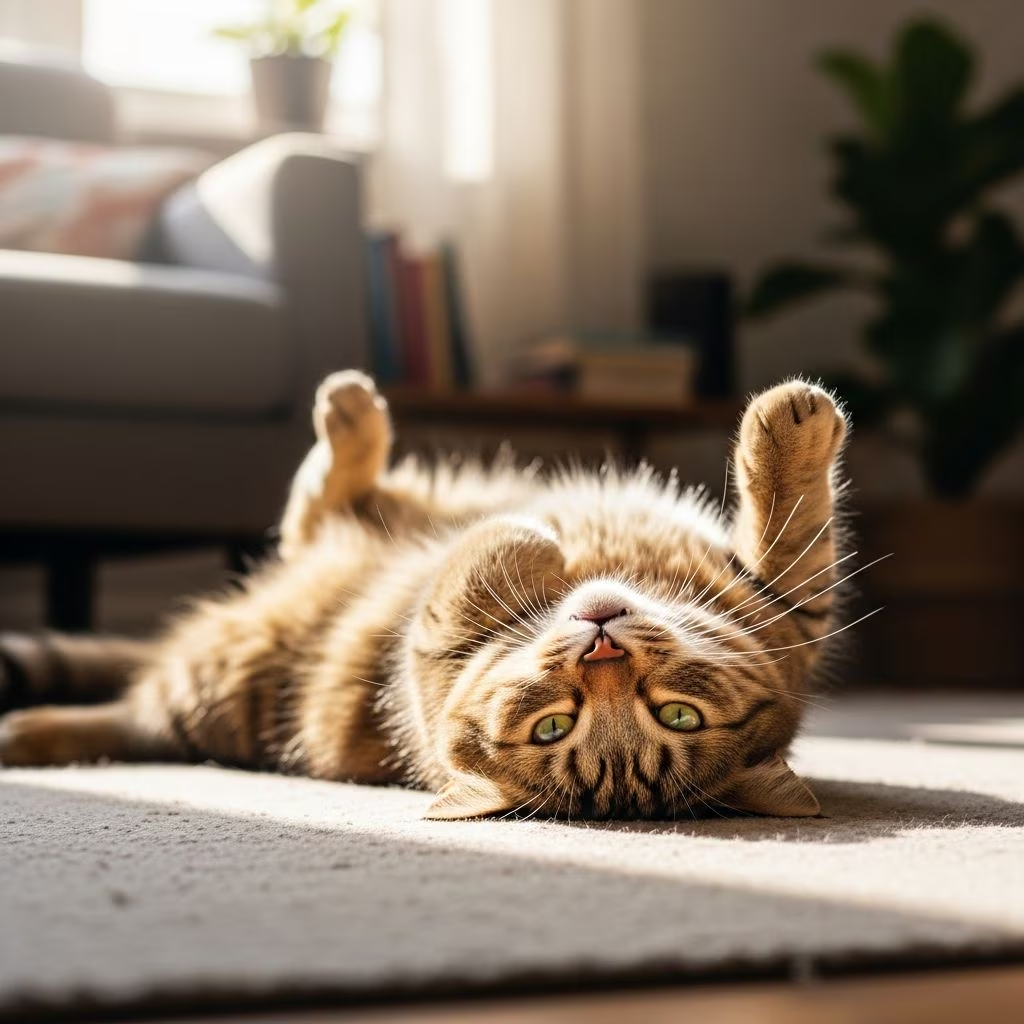
Why Do Cats Roll Around on Their Back?
One of the most endearing and puzzling behaviors cat owners witness is when their feline companion suddenly flops onto their back and rolls around on the floor. Sometimes accompanied by meowing, stretching, or wiggling, this quirky behavior leaves many cat parents wondering what their cat is trying to communicate. While it might seem like your cat has simply lost their mind or indulged in too much catnip, rolling on their back is actually a natural and normal feline behavior with multiple meanings. According to holistic veterinarian Dr. Candy Akers, rolling around is a way cats express themselves through body language, similar to how they use their tails and ears to show their mood. Understanding why your cat engages in this behavior can deepen your bond and help you better respond to your pet’s needs.
1. She Has an Itch
One of the most straightforward explanations for your cat rolling on their back is that they simply have an itch they need to scratch. Cats have sensitive skin, and sometimes they cannot reach certain spots on their back with their paws alone. Rolling their spine against the floor, carpet, or outdoor surfaces provides an effective way to alleviate that annoying irritation.
Fleas and other external parasites commonly cause itchiness in cats, leading to increased rolling behavior. If you notice your cat rolling excessively or displaying other signs of discomfort such as redness, bumps, or hair loss, consult your veterinarian to rule out parasitic infections or skin conditions. Additionally, a cat may learn that rolling on their back initially started as a self-soothing itch-scratching behavior but has now become a learned behavior to gain your attention and affection.
2. They’re Stretching Their Muscles
Just like humans, cats need to stretch their muscles regularly to maintain flexibility and comfort. You’ll often notice your cat rolling onto their back and stretching their full body immediately after waking from a nap. This stretching behavior helps them wake up and prepare their body for activity, similar to how we might stretch in bed after a good night’s sleep.
Your cat might roll around on their back several times in succession to fully extend their spine, legs, and muscles. When you observe your cat engaging in post-nap rolling and stretching, it’s best to let them complete their stretching routine before attempting to interact with them. Once they’ve finished their yoga-like movements, they’ll likely come to you for attention if they desire it.
3. They Feel Safe With You
Perhaps the most significant and heartwarming reason your cat rolls on their back is to demonstrate trust and comfort in your presence. A cat’s belly is their most vulnerable area, containing vital organs and sensitive skin. When a cat exposes their belly by rolling on their back, they are putting themselves in a defenseless position where they could easily be attacked or harmed.
If your cat greets you by rolling over and showing you their sensitive tummy, you should feel privileged and honored. This behavior indicates that your cat is completely relaxed around you and trusts you to keep them safe. According to cat behavior experts, cats roll onto their backs to show they want a friendly relationship and to strengthen bonds within their social group. When your cat displays their belly to you, they’re essentially saying, “I feel secure enough with you to expose my most vulnerable area.”
4. They’re Attention-Seeking
Cats are remarkably intelligent animals, and they quickly learn which behaviors capture their owner’s attention most effectively. If rolling on their back results in you stopping what you’re doing and giving them attention, your cat will repeat this behavior whenever they want your focus. This learned behavior becomes a reliable strategy for your cat to get you to interact with them.
If you consistently respond to your cat’s belly-up displays by petting them, talking to them, or playing with them, you’re reinforcing this attention-seeking behavior. Your cat understands that this dramatic flop-and-roll is a sure-fire way to get your immediate response, and they’ll continue using it as long as it works.
5. They Want To Play
Rolling on their back is closely linked to playfulness and an invitation to engage in interactive play. When your cat is feeling playful, they might wriggle about on their back, swoosh from side to side, or even bat at their own tail. This playful rolling is your cat’s way of encouraging you to participate in a fun activity together.
Playing allows cats to use their natural hunting instincts and often mimics the behaviors they would display when chasing and catching prey animals in the wild. If you suspect your cat is rolling on their back as a play invitation, try offering them a small toy to bat around or encourage them to chase a feather teaser toy. You may notice your playful cat’s eyes dilate, their ears perk up, and their body becomes tense and ready for action—all signs that they’re in full play mode.
6. They’re Marking Their Territory
Cats have scent glands located all over their bodies, including on their back, sides, cheeks, and flanks. When your cat rolls on their back, they’re spreading these scent pheromones throughout their environment, sending a clear message to other neighborhood cats that this territory has already been claimed. This olfactory communication is one of the primary ways cats establish and maintain their territorial boundaries.
In addition to rolling, cats mark their territory by rubbing their cheeks and flanks along furniture, doorways, and other objects in their home and yard. This scent-marking behavior is especially pronounced in unspayed female cats or unneutered male cats who have strong hormonal drives to establish their presence. If your indoor cat rolls on your clothing or bedding, they’re essentially marking you as part of their territory and family group, which is actually a sign of affection.
7. She’s in Heat or Recently Mated
Unspayed female cats between six and twelve months of age commonly exhibit increased rolling behavior when they’re in heat or have recently mated. This type of rolling is distinctly different from the calm, peaceful rolling you might observe when your cat is relaxed. Rolling during heat or after mating is typically erratic, vigorous, and often accompanied by loud vocalizations, spraying, and increased demands for attention and affection.
Feline biologists hypothesize that the intensity of rolling behavior after mating might actually help facilitate sperm fertilization by moving eggs more quickly through the reproductive tract. When a female cat rolls on her back after mating, she might also be attempting to remove the scent of the male cat to prepare for mating with another male, as multiple matings increase the chances of successful conception. If you do not want kittens, it’s essential to have your female cat spayed by your veterinarian as soon as possible. Spaying not only prevents unwanted litters but also eliminates behaviors such as scent marking and excessive vocalization during heat cycles.
8. It’s in Their Genes
Interestingly, breed may influence how frequently and readily your cat rolls around on their back. Certain cat breeds that are naturally more relaxed, trusting, and friendly around people are more likely to roll on their backs than others. Breeds such as Scottish Folds and Ragdolls are known for their affectionate and trusting nature, making them more comfortable with putting themselves in vulnerable positions, including rolling on their back.
If your cat comes from a more reserved or independent breed, they may roll on their back less frequently or only in specific contexts. Conversely, if your cat is from a highly social and affectionate breed, you might find them rolling on their back regularly as a way to bond with you and express their comfort. Understanding your cat’s breed tendencies can help you better interpret their behavior and know what to expect from your individual feline companion.
9. They’re Preparing To Defend Themself
While most instances of rolling on the back indicate relaxation and trust, it’s important to recognize that rolling can also be a defensive behavior in certain contexts. If your cat is feeling threatened by another predator or feels cornered, they might roll on their back with their claws extended, teeth bared, and accompanied by hissing sounds. This is an act of aggression rather than a demonstration of affection or comfort.
Some cats that are particularly frightened at the veterinary clinic might display this type of defensive rolling when interacting with veterinary staff or handling situations they perceive as threatening. The context of the situation is crucial for understanding your cat’s intention. A relaxed, slow roll accompanied by slow blinks and a soft meow is very different from a sudden, tense roll with flattened ears and exposed claws. Learning to distinguish between these two types of rolling will help you respond appropriately to your cat’s needs and emotional state.
It’s a Reaction to Their Environment or Pests
Environmental factors can significantly trigger rolling behavior in cats. Cats have naturally high body temperatures that can reach as high as 102.5°F, so on particularly hot summer days, your cat might roll around in shady patches of grass or dirt to help cool off and lower their body temperature. This thermoregulation behavior is especially common in outdoor or indoor-outdoor cats who have access to natural surfaces.
External parasites such as fleas and lice can also lead to irritated fur and skin that cats try to soothe and manage through rolling. If you notice your cat rolling more frequently during warmer months or after spending time outdoors, observe them carefully for signs of parasitic infection and discuss preventative treatments with your veterinarian.
Do Cats Want Belly Rubs If They Roll Around?
This is one of the most important distinctions cat owners need to understand about feline behavior. When cats roll over and expose their belly, it does not automatically mean they want you to rub their belly. Unlike dogs, who typically enjoy belly rubs as a sign of affection and submission, cats often instinctively lash out by biting or scratching when you attempt to pet their exposed belly.
According to feline behavior consultant Allison Hunter-Frederick, this defensive reaction is inherited from cats’ wild ancestors, as their stomachs represent their most vulnerable area where their vital organs are located. When cats are in a state of complete relaxation and expose their belly as part of rolling over, many cats view touch to this area as a threat rather than an invitation. The best approach is to observe your cat’s body language. If they’re rolling slowly and peacefully with relaxed ears and slow blinks, you might gently pet their head or flanks instead of their belly. If your cat suddenly tenses up, flattens their ears, or swishes their tail when you approach their belly, it’s best to respect their boundaries and avoid touching that sensitive area.
Frequently Asked Questions
Q: Why do cats roll on their back when they see you?
A: One of the most common reasons is that they are pleased to see you and want to greet you with affection. Showing you their belly means that they trust you and feel safe in your company. Your cat might also be feeling playful and trying to encourage you to interact with them. This is often seen when you come home from work or school.
Q: Is it safe to pet my cat’s belly when they roll on their back?
A: Not always. While belly exposure indicates trust and comfort, many cats don’t actually enjoy belly touches and may bite or scratch. It’s best to pet your cat’s head, cheeks, or flanks instead. Pay attention to your cat’s body language—if their ears flatten or tail swishes, avoid touching their belly.
Q: What should I do if my cat is rolling excessively on their back?
A: Excessive rolling could indicate an itch from fleas, parasites, or skin conditions. If you notice rolling accompanied by hair loss, redness, bumps, or increased scratching, consult your veterinarian to rule out medical issues. In unspayed females, excessive rolling could also indicate they’re in heat.
Q: Do all cats roll on their backs equally?
A: No. Breed and individual temperament play a role in how frequently cats roll on their backs. More relaxed and friendly breeds like Scottish Folds and Ragdolls tend to roll more often than naturally reserved breeds. Some cats may rarely display this behavior due to their genetic predisposition.
Q: Why does my cat roll on their back and meow?
A: Meowing while rolling often indicates your cat is seeking attention or trying to communicate playfulness and affection. Some female cats also meow excessively while rolling when they’re in heat, accompanied by other behaviors like spraying and increased vocalization.
Q: Can rolling on their back be a sign of illness?
A: While rolling is usually a normal behavior, excessive rolling combined with other symptoms like lethargy, loss of appetite, or behavioral changes could indicate a medical problem. If you’re concerned about your cat’s health, consult your veterinarian.
References
- Why Do Cats Roll Around on Their Back? — Cats.com. 2024. https://cats.com/why-do-cats-roll-around-on-their-back
- 7 Reasons Why Your Cat Rolls Around — Rover.com. 2024. https://www.rover.com/blog/why-do-cats-roll-around/
- Ask the Vet: Why Does My Cat Roll Over When He Sees Me? — Sunset Vet Clinic. 2024. https://www.sunsetvetclinic.com/blog/ask-the-vet-why-does-my-cat-roll-over-when-he-sees-me
- Feline Behavior Explained: Why Your Cat Rolls, Rubs and Hides — Dr. Elsey’s. 2024. https://drelseys.com/feline-behavior-explained-why-your-cat-rolls-rubs-and-hides/
- Why Does My Cat Show Their Belly? — Agria Pet Insurance. 2024. https://www.agriapet.co.uk/guides-and-advice/cat-rolling-on-its-back/



