

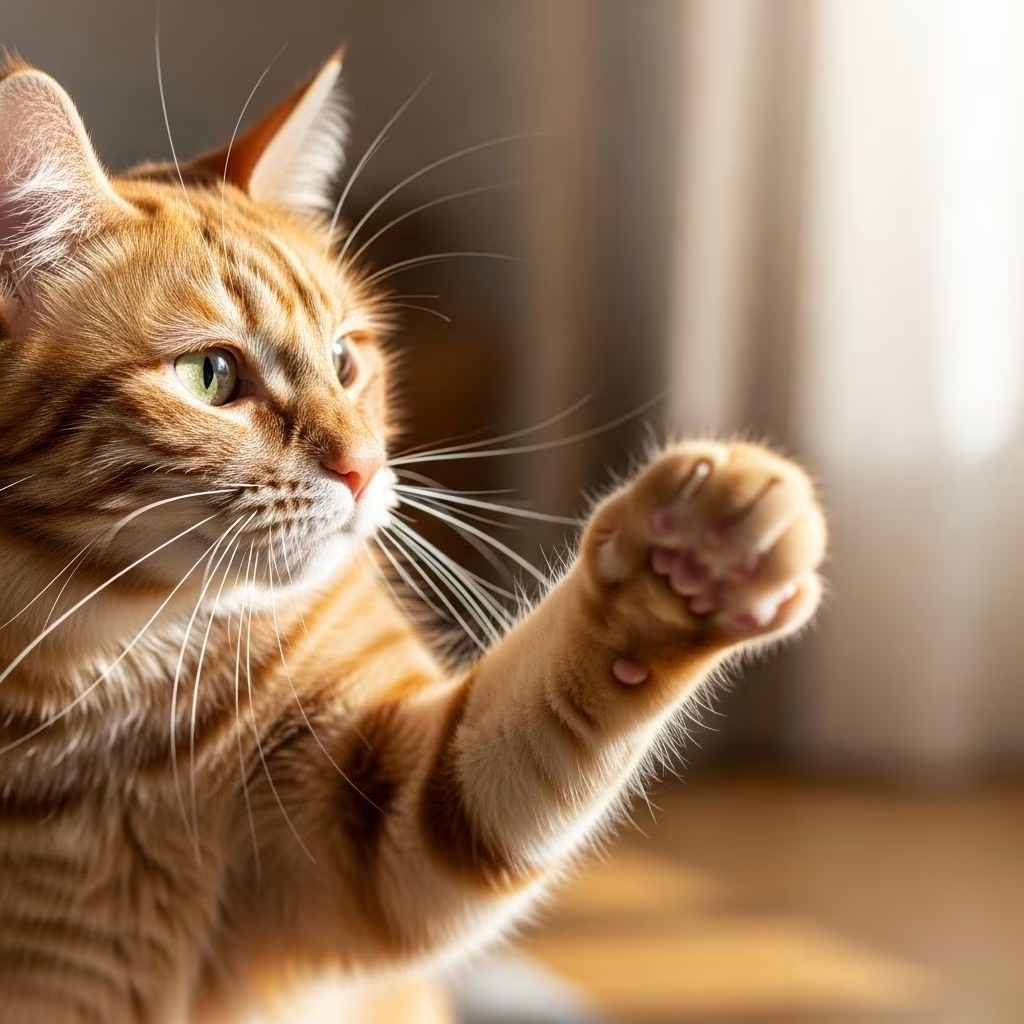
Cats often reach out their paws to communicate needs, emotions, or instincts. This behavior, whether a gentle tap or an extended paw, typically signals a desire for attention, affection, food, or something else, making it a key part of feline-human interaction.
Understanding why cats reach their paws out helps strengthen your bond and address their needs promptly. From playful gestures to signs of discomfort, these actions reveal much about your cat’s well-being. This guide covers the nine primary reasons, supported by veterinary insights and behavioral experts.
The 9 Reasons Why Your Cat Reaches His Paw Out to You
1. Attention
The most common reason cats extend their paws is to grab your attention. If you’re focused on work or a screen, your cat may stretch a paw toward you as a subtle (or not-so-subtle) reminder that you’re ignoring them. This paw reach often escalates to sitting on your keyboard if unmet.
Petting usually satisfies this need, but observe further: dilated pupils or purring indicate play or cuddles are desired. According to feline behavior experts, this is classic attention-seeking, reading the cat’s full body language is essential.
2. Stretching
Cats are stretching enthusiasts, often extending limbs during yawns or post-nap routines. A paw reaching out might simply be part of this natural flexibility exercise, not directed at you.
Distinguish it from intentional communication by your cat’s focus—if their eyes are elsewhere or they’re asleep, it’s likely just a stretch. This harmless behavior promotes circulation and joint health in felines.
3. A Request
Beyond affection, a paw tap can signal practical needs like food, water, or access. Cats lead you to the issue once you respond, running to their bowl or a closed door.
Establish routines: feed twice daily and ensure constant water access. This prevents frustration and reinforces trust, as cats associate your response with meeting their requests promptly.
4. Affection and Bonding
Pawing is a profound sign of love, mimicking kitten kneading on their mother for milk. Adult cats “make biscuits” on trusted humans, paws extended in comfort and security.
This releases endorphins for both cat and owner. Purring, half-closed eyes, and relaxed posture accompany true affection pawing. It’s their way of saying, “You’re family.”
5. Playing
Playful paw swats initiate interactive fun, imitating hunting or wrestling. Energetic cats tap to engage you in chase or batted-toy games.
Avoid using hands as toys to prevent scratching habits. Opt for wand toys or balls. Play sessions reduce boredom and obesity, lasting 15-20 minutes twice daily.
6. Hunger or Thirst
A direct paw to your leg or face near mealtimes screams, “Feed me!” Cats paw then head to bowls, especially if routines are inconsistent.
Maintain scheduled feedings with measured portions to avoid obesity. Fresh water in flowing fountains encourages hydration, as cats prefer moving water.
7. Stress or Discomfort
Excessive or frantic pawing signals anxiety. Ears back, tail flicking, or dilated pupils pair with self-soothing kneading.
Identify triggers like loud noises or changes. Provide hiding spots, pheromone diffusers, or vet checks for underlying issues. Early intervention prevents escalation.
8. Marking Territory
Paws contain scent glands; touching you transfers pheromones, claiming you as theirs. This communal marking strengthens group bonds in multi-pet homes.
It’s affectionate ownership, not dominance. Rubbing cheeks does the same. Clean paws regularly to monitor health.
9. Pain or Illness
Rarely, persistent paw extension indicates discomfort, like limping from calicivirus or arthritis. Cats hide pain, but stretched limbs seek relief.
Monitor for lethargy, appetite loss, or limping. Veterinary exams, including bloodwork, diagnose issues. Early treatment improves outcomes.
How to Respond When Your Cat Reaches Out a Paw
Context is key: assess body language. Relaxed posture means affection or play; tense signals stress. Always check basics—food, litter, water—first.
Positive reinforcement builds trust. Ignore unwanted pawing gently, reward calm behavior. Interactive toys fulfill energy needs.
- Observe eyes and ears: Forward ears and slow blinks = content.
- Check timing: Mealtime pawing = hunger.
- Use toys: Redirect play paws safely.
- Consult vet: For persistent or changed behavior.
Understanding Cat Body Language with Paw Gestures
Paws are communication tools alongside tails, ears, and whiskers. A soft paw on your arm with purring shows trust; a swat with claws out warns off.
| Gesture | Meaning | Response |
|———|———|———-|
| Gentle tap + purr | Affection/attention | Pet gently |
| Quick swat | Play or irritation | Offer toy |
| Extended while sleeping | Stretching | Leave alone |
| Frantic pawing | Stress/pain | Check environment/vet |
This table decodes common signals for quick reference.
Frequently Asked Questions (FAQs)
What does it mean when a cat reaches its paw out while lying down?
This typically shows relaxation and trust, inviting pets or marking you. It’s a secure, affectionate gesture.
Why does my cat paw my face?
Facial pawing demands attention or breakfast, using scent glands to bond. Respond to needs but train gentler habits.
Is pawing a sign of dominance in cats?
No, it’s usually affection or communication. Dominance shows through staring or blocking paths, not paw extension.
What if my cat suddenly paws more than usual?
Increased pawing may indicate stress, hunger changes, or health issues. Vet visit recommended for sudden shifts.
How can I stop unwanted pawing?
Ignore and redirect to toys. Enrich environment with scratchers and perches. Consistency trains better behavior.
Conclusion
Your cat’s paw reaches blend instinct, emotion, and needs, from heartwarming affection to practical requests. By decoding these gestures, you enhance welfare and companionship. Most are benign signs of comfort, but vigilance spots rare issues. Embrace this quirky communication—it’s proof of your special bond.
References
- 7 Reasons Why Cats Tap You With Their Paws — Kinship. 2023-05-15. https://www.kinship.com/cat-behavior/why-cats-tap-you-with-paw
- Why Does My Cat Reach His Paw Out to Me? 9 Vet-Verified Reasons — Catster. 2024-02-20. https://www.catster.com/cat-behavior/why-do-cats-reach-paws-out/
- Does Your Cat Put Their Paw On You? – 8 Reasons You Should Know — YouTube (Jackson Galaxy). 2023-08-10. https://www.youtube.com/watch?v=e0YbGWNfCo4
- 8 Reasons Your Cat Is Pawing and How To Help — Cats.com. 2024-01-12. https://cats.com/reasons-your-cat-is-pawing
- Feline Behavior Guidelines — American Veterinary Medical Association (AVMA). 2025-03-01. https://www.avma.org/resources-tools/pet-owners/petcare/feline-behavior



