

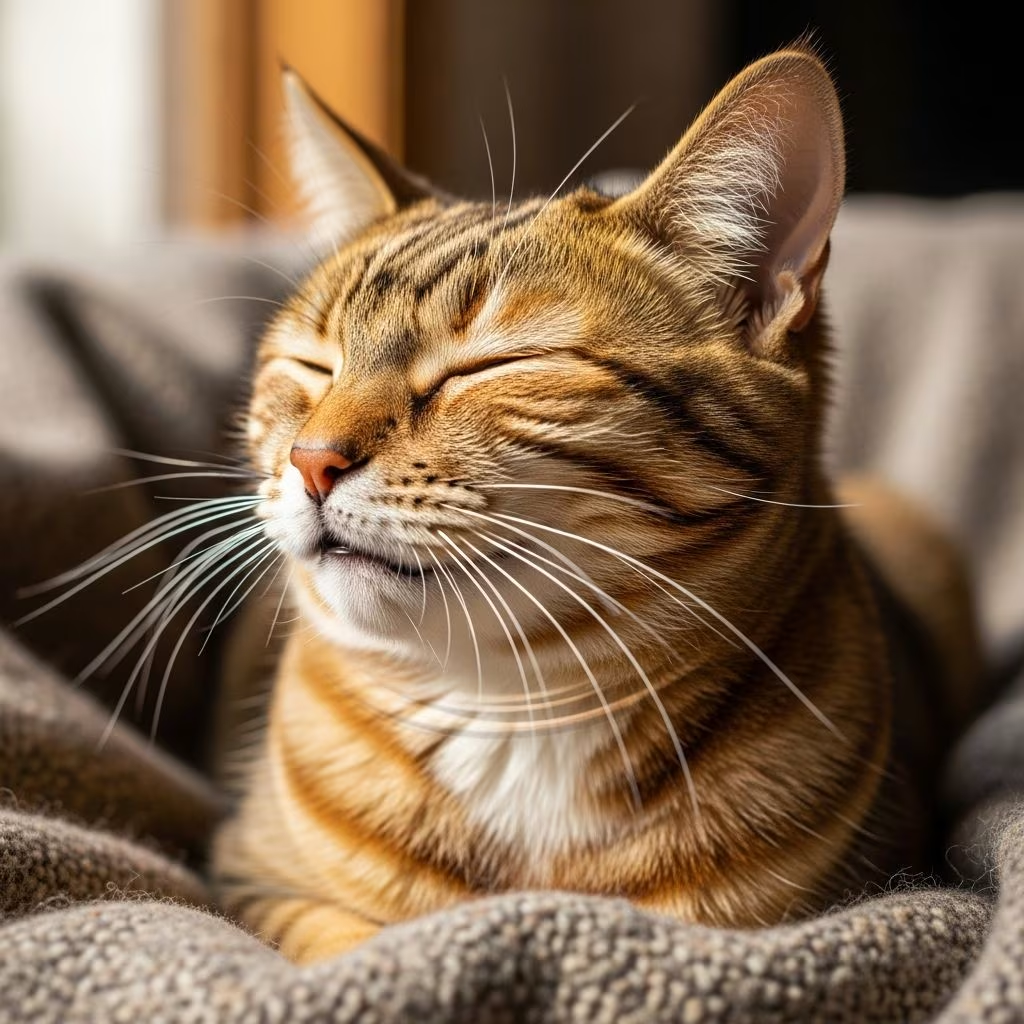
Cat purring is one of the most recognizable and cherished sounds in the pet world. Many cat owners associate this soft, rhythmic vibration with contentment and happiness. However, the reasons behind a cat’s purr are far more complex and nuanced than most people realize. Understanding what your cat is trying to communicate through purring can help you better respond to their emotional and physical needs, strengthen your bond, and even identify potential health concerns.
How Do Cats Purr?
Before exploring the reasons why cats purr, it’s important to understand the mechanics of how they produce this distinctive sound. Purring is a voluntary vocalization that cats produce with their mouth closed, making it fundamentally different from meowing or other open-mouth vocalizations.
The purring sound originates from the cat’s larynx, or voice box. When a cat breathes in and out, air is forced over the glottis—the opening between the vocal folds in the voice box. This structure opens and closes in rapid cycles lasting 20 to 40 milliseconds, which separates and vibrates the vocal folds. This rhythmic activity is what produces the characteristic purring sound we hear.
The cat also engages the diaphragm—the muscle responsible for controlling breathing—to produce a continuous purr sound. The purr consists of a continuous vibration as the cat inhales and exhales, with only a brief pause between the two phases of breathing. This continuous nature of purring distinguishes it from other vocalizations and makes it instantly recognizable to most cat owners.
Why Do Cats Purr?
Cat purring is a complex vocalization that can mean many different things depending on the context and the cat’s overall behavior and body language. Rather than being a single-meaning sound, purring functions as a multi-purpose communication tool that cats use to express various emotional and physical states. Let’s explore the five primary reasons why cats purr.
1. Cats Purr When They’re Content
The most commonly recognized reason for cat purring is contentment and happiness. A cat purring has predominantly been associated with contentment, excitement, or other positive emotional states. When a cat is purring due to contentment, they display a relaxed facial expression and body language that clearly indicates their emotional state.
Cats purr when they are content in various situations, including:
- Lying in a warm, familiar environment
- Eating or just after finishing a meal
- Resting in their pet parent’s lap
- Receiving affection through petting or scratching
- Grooming or being groomed by their owners
- Nursing (in the case of mother cats and kittens)
Kittens begin purring at a very young age while nursing from their mothers, which serves as a bonding mechanism and a sign of contentment and security. As cats mature, they continue to purr in situations where they feel safe, comfortable, and happy. The purring behavior in these contexts is typically accompanied by other positive indicators such as slow blinking, a relaxed body posture, and gentle kneading of their paws.
2. Cats Purr When They’re Anxious
Contrary to what many people believe, not all purring indicates happiness. Some cats purr when they are anxious, stressed, or frightened. This type of purring serves as a self-soothing mechanism that helps the cat cope with stressful situations and reduce anxiety levels.
Cats may purr when experiencing anxiety in various scenarios:
- During a veterinary examination or visit
- After returning home from the veterinary clinic
- When placed in unfamiliar or stressful environments
- During separation from their owners
- When faced with loud noises or other frightening stimuli
In these situations, the cat may be attempting to self-soothe and recover from the stressful experience. It’s important to recognize that a purring cat in a stressful context may need comfort and reassurance rather than being left alone. Watch for additional signs of anxiety such as hiding, loss of appetite, rapid breathing, or aggressive behavior to better understand your cat’s emotional state.
3. Cats Purr When They’re Greeting
Cats use a short, distinct purr as a greeting gesture when meeting people or other cats. This type of purring typically indicates a friendly interaction and positive intentions toward the other party. When a cat greets you with a purr, they are essentially saying hello and expressing their pleasure at your presence.
Mother cats also employ this greeting purr when approaching their kittens, using it as a way to communicate calm, nurturing intentions. This greeting purr is usually accompanied by other friendly behaviors such as head rubbing, tail raising, or slow blinking, which further reinforce the cat’s positive attitude toward the person or animal they’re greeting.
4. Cats Purr When They Want Attention
Cats are intelligent animals that have learned to use purring as a tool to solicit physical attention and affection from their owners. When a cat purrs while you’re petting them, it’s a clear indication that they enjoy the interaction and want you to continue. The purring also serves as positive reinforcement, encouraging you to keep providing the attention they desire.
Cats may purr while:
- Requesting a pet or neck scratch from people
- Rubbing their face against their owner’s hand or leg
- Rubbing their body against another cat, person, or object
- Sitting close to their owner and seeking physical contact
- Anticipating their feeding time
This attention-seeking purring is essentially the cat’s way of communicating their desire for interaction and affection. Many cats develop consistent patterns of purring at specific times, such as when their owners return home or when it’s approaching meal time, demonstrating how effectively they’ve learned to use this vocalization to get what they want.
5. Cats Purr When They’re Sick
One of the most surprising and important reasons why cats purr relates to illness and pain management. Cats can purr when they are healthy and feeling good, but they can also purr when they are sick, injured, or in pain. By purring during these difficult times, the cat may be asking for care and assistance from their owner.
Research suggests that the vibrations produced during purring may have therapeutic properties. The frequency of a cat’s purr has been shown to potentially promote healing by stimulating bone growth and tissue repair. This may explain why injured, sick, or recovering cats often purr more frequently than healthy cats. The cat’s body may be instinctively using purring as a self-healing mechanism.
Additionally, mother cats emit deep, intense purrs when entering labor, which are thought to release pain-management endorphins that help ease the discomfort of the birthing process. Some cats may even purr shortly before they die, and this purring sound may serve as a comforting mechanism for both the cat and their grieving owner.
It’s crucial to recognize that a cat showing signs of illness while also purring may actually be in need of veterinary care. Signs that your cat’s purring might indicate distress or illness include:
- Loss of appetite or changes in eating habits
- Lethargy or lack of interest in normal play behavior
- Limping or difficulty moving
- Hiding or avoiding interaction more than usual
- Changes in litter box habits
- Rapid breathing or panting
- Unusual vocalizations such as yowling or growling
If you notice your cat displaying these symptoms alongside purring, contact your veterinarian promptly to rule out any underlying health issues.
Understanding Context and Body Language
The key to accurately interpreting your cat’s purring lies in observing the context in which it occurs and paying attention to their overall body language. Purring during play, meals, and normal daily routines can generally be safely considered positive reasons for the behavior. However, if your cat is purring outside their normal environment or in unusual situations, they may be attempting to self-soothe.
Pay attention to the following contextual clues:
- When and where your cat is purring
- What activities or interactions preceded the purring
- Whether the purring coincides with other behavioral changes
- The intensity and rhythm of the purring
- Your cat’s facial expression and body posture during purring
By developing a keen awareness of your individual cat’s purring patterns and what circumstances trigger different types of purring, you’ll become better equipped to respond appropriately to their needs.
Frequently Asked Questions About Cat Purring
Q: Why do cats purr when you pet them?
A: When a cat purrs while you pet them, it’s an indication that they like that particular interaction and are enjoying the physical contact. The purring also serves as a signal for you to continue petting the cat. It’s the cat’s way of saying “I like this, please keep doing it.”
Q: Why do cats purr and knead?
A: Purring while kneading—the rhythmic pushing motion with their paws—may be a residual behavior from kittenhood, as kittens tend to knead and purr simultaneously while nursing from their mother. For adult cats, this combination behavior pattern typically occurs when they’re in a positive emotional state and feeling content and safe.
Q: Do all cats purr?
A: While most domestic cats can purr, not all cats purr with the same frequency or intensity. Some cats are naturally quieter and purr less often, while others are very vocal and purr frequently. Age, breed, and individual personality all influence how often and how loudly a cat purrs.
Q: Can cats control their purring?
A: Purring is a voluntary behavior, which means cats can choose whether or not to purr. However, sometimes cats may purr involuntarily in response to extreme emotional states or physical sensations, similar to how humans might laugh nervously without conscious decision.
Q: What should I do if my cat is purring but seems unwell?
A: If your cat is purring but displaying signs of illness such as loss of appetite, lethargy, limping, or changes in litter box habits, contact your veterinarian immediately. Do not assume the purring means your cat is healthy—observe the full picture of their behavior and physical condition.
Conclusion
Cat purring is a fascinating and multifaceted form of communication that serves multiple purposes in feline life. While contentment and happiness are the most commonly associated reasons for purring, understanding that cats also purr when anxious, greeting others, seeking attention, or managing pain helps pet owners develop a more nuanced relationship with their feline companions. By paying close attention to the context of your cat’s purring and their accompanying body language, you can better interpret what your cat is trying to communicate and respond appropriately to their emotional and physical needs. Whether your cat’s purr indicates joy, comfort-seeking, or a need for veterinary attention, this distinctive vocalization remains one of the most endearing aspects of cat ownership.
References
- Why Do Cats Purr? Here’s What The Experts Say — Chewy Education. 2024. https://www.chewy.com/education/cat/training-and-behavior/behavior-pet-facts-why-do-cats-purr
- Why Do Cats Purr? 5 Meanings Behind a Purring Cat — PetMD. 2024. https://www.petmd.com/cat/behavior/why-do-cats-purr
- Understanding the Purring of Cats — Dial A Vet. 2024. https://www.dialavet.com/blog/understanding-the-purring-of-cats
- MEOW! Cats in Translation — Merck Animal Health USA. 2024. https://www.merck-animal-health-usa.com/pet-owners/behavior/understanding-your-pet/meow-cats-in-translation/
- How To Read a Cat’s Body Language — PetMD. 2024. https://www.petmd.com/cat/behavior/cat-body-language



