

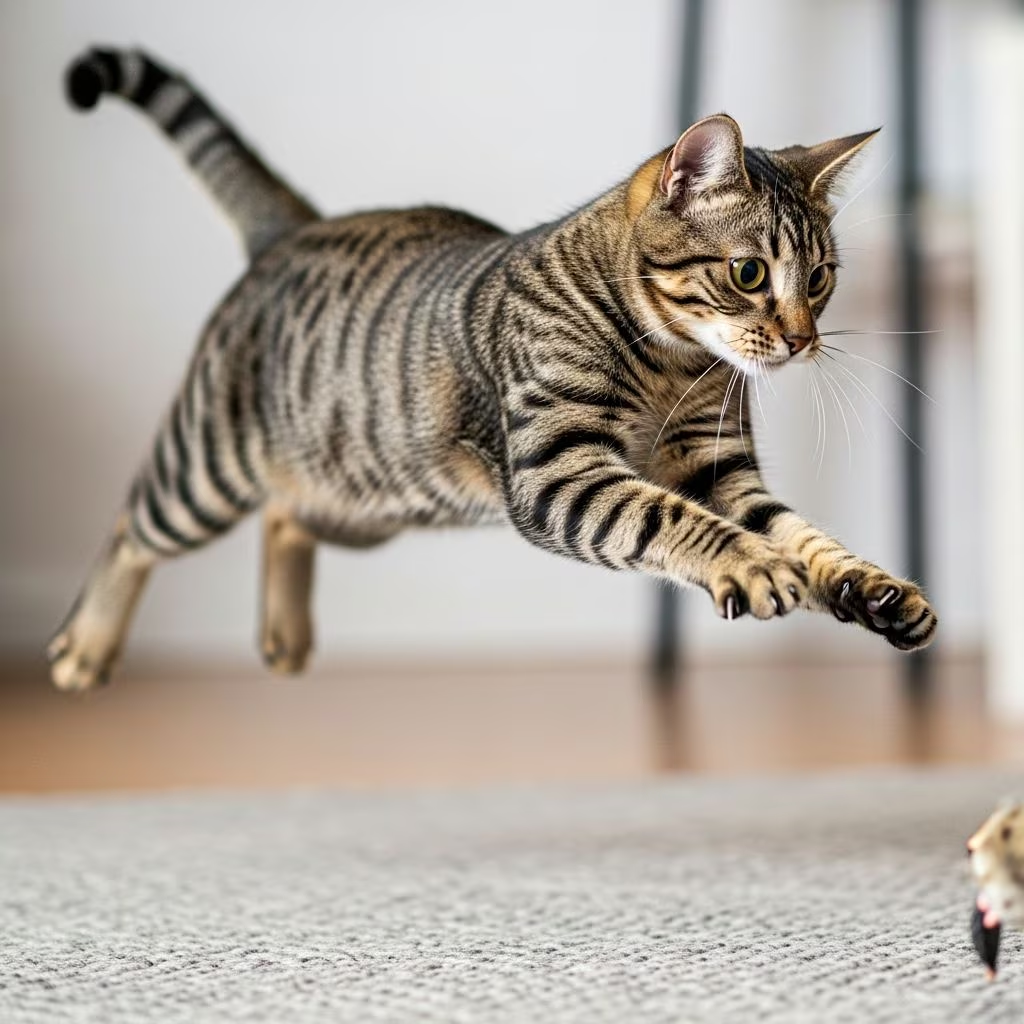
Cat pouncing is a captivating and instinctive behavior deeply rooted in their predatory heritage. Whether your feline is leaping onto toys, ambushing your feet, or engaging with other pets, this action serves multiple purposes from play to hunting simulation. Understanding why cats pounce helps owners foster a stimulating environment while preventing unwanted aggression.
What Is Cat Pouncing?
Pouncing is the explosive leap cats make after stalking a target, often preceded by a characteristic butt wiggle for balance and excitement. In the wild, this final strike ensures a quick kill by positioning the neck for a fatal bite. Domesticated cats retain this sequence—stalk, wiggle, pounce, bop, and toss—treating toys like real prey for pure enjoyment.
This behavior builds coordination, strength, and mental sharpness, making it essential for kittens and adults alike. It’s not just random jumping; it’s a precise, energy-intensive maneuver honed by evolution.
Why Do Cats Pounce? 7 Reasons
Cats pounce for instinctual, playful, and emotional reasons. Here are the primary drivers:
- Instinctual Hunting: Even well-fed domestic cats descend from wild hunters, practicing stalking and pouncing to simulate prey capture.
- Play and Exercise: Pouncing releases dopamine, providing fun, motivation, and physical workout.
- Attention-Seeking: Ambushing owners signals a desire for interaction or response.
- Boredom Relief: Without stimulation, cats invent prey from objects or legs to channel energy.
- Stress Outlet: Anxiety from noises or changes prompts pouncing as agitation release.
- Social Communication: With other pets, it’s often a play invitation, though it can escalate.
- Butt Wiggle Prep: The pre-pounce wiggle stabilizes, amuses, or heightens excitement via dopamine surges.
It’s in Their DNA
Domestic cats don’t hunt for survival, yet pouncing persists as an innate trait from felid ancestors. This ‘hardwired’ behavior keeps their skills sharp, preventing atrophy in cozy homes.
They Want to Play
Play pouncing involves gentle taps, retracted claws, and chirps, mimicking safe hunts. Kittens especially use it to build agility, while adults bond through interactive chases.
Communication with Humans and Pets
On owners, it’s usually playful attention-grabbing; on pets, a wrestle invite—watch for reciprocation to avoid fights.
The Cat Pounce Sequence Explained
The full hunt unfolds in stages: observation, low stalk, butt wiggle, explosive pounce, then toss and ‘kill’. Domestics relish every step with toys, repeating for thrill.
| Stage | Description | Purpose |
|---|---|---|
| Stalk | Crouched creep toward target | Stealth approach |
| Wiggle | Rear-end shake | Balance, excitement |
| Pounce | High-energy leap | Capture prey |
| Bop & Toss | Batting and flipping | Subdue/kill simulation |
Is It Playful Pouncing or Aggression?
Distinguish healthy play from issues:
- Playful: Retracted claws, meows/chirps, relaxed ears, no injury.
- Aggressive: Hissing, growls, extended claws, bites causing harm.
Signs of Play Aggression
Light scratches or nips are normal, but escalating to injury signals over-stimulation.
Fighting vs. Play
True fights involve teeth-baring dives, not pounces; pouncing in battles aims for control but risks retaliation.
Redirected Aggression
Cats pounce on safe targets after external scares (e.g., outdoor noises), misdirecting fear.
Problems with Cat Pouncing
- Overstimulation: Pouncing on unwilling pets leads to scuffles.
- Human Ambush: Surprise attacks on feet annoy owners.
- Escalation: Play turning to bullying with hisses/fur-flying.
- Health Flags: Sudden excess in seniors may indicate hyperthyroidism; consult vets.
How Can I Stop My Cat from Pouncing on Me?
Redirect, don’t punish—positive outlets work best:
- Ignore ambushes; walk away to withhold attention.
- Schedule 2x daily 10-15 min sessions with wand toys/feather teasers.
- Distract mid-stalk with laser pointers or mice toys.
- Enrich environment: cat trees, tunnels, puzzles.
Provide Appropriate Outlets
Mimic prey with interactive toys to satisfy instincts safely.
Environmental Enrichment
Climbing posts and routines prevent boredom-fueled pounces.
Cat Pouncing FAQs
Why does my cat pounce on me?
Typically for play or attention; provide toys to redirect.
Why do cats wiggle their butt before pouncing?
For stability, fun, and dopamine release.
Is cat pouncing a sign of aggression?
Not usually; check for claws, vocals—play is gentle.
How do I stop aggressive pouncing?
Increase playtime, enrich home, vet-check health.
Why do cats pounce on other cats?
Play invitation; monitor for bullying.
Final Thoughts on Cat Pouncing
Embrace pouncing as vital to your cat’s well-being, channeling it properly for harmony. Vet insights confirm it’s normal, enriching lives when managed.
References
- Stalking and Pouncing in Cats: Reasons and Solutions — Petcube. 2023. https://petcube.com/blog/cat-pouncing/
- Cat Pouncing Behavior — All Animals Veterinary Hospital. 2024. https://www.allanimalsvet.com/cat-pouncing-behavior/
- Understanding Cat Play Behavior: Signs of Aggression vs. Healthy Play — Repounce. 2023. https://repounce.com/blogs/news/understanding-cat-play-behavior-signs-of-aggression-vs-healthy-play
- Cat Pouncing: Vet-Verified Behavior Explained & Solutions — Catster. 2025-06-05. https://www.catster.com/cat-behavior/cat-pouncing/
- Why Do Cats Wiggle Before They Pounce? — PetMD. 2024. https://www.petmd.com/cat/behavior/why-do-cats-wiggle-before-they-pounce
- Why Do Cats Pounce and Stalk? — Purina US. 2025-06-05. https://www.purina.com/articles/cat/behavior/understanding-cats/why-do-cats-pounce-stalk



