

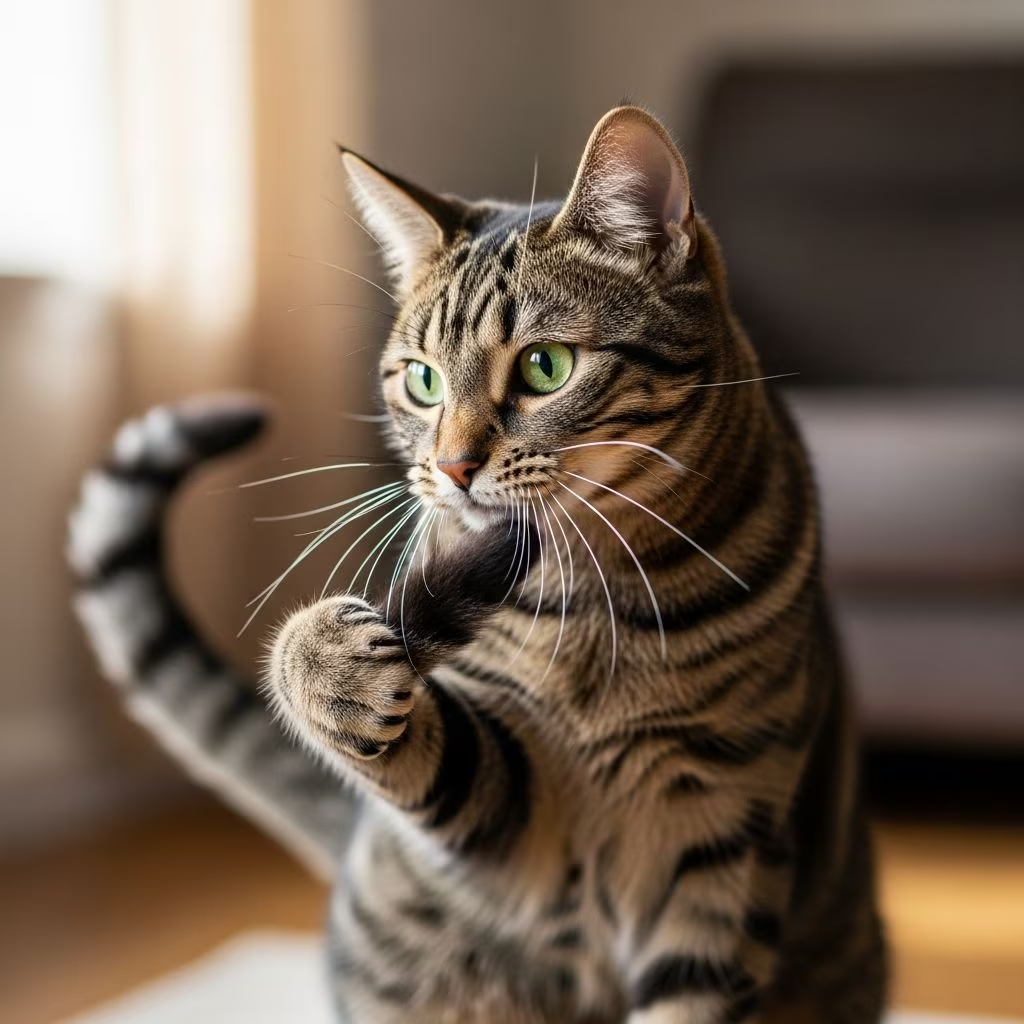
Cats are fascinating creatures with quirky behaviors, and one of the most common sights is a cat chasing or playing with its own tail. This playful action might seem harmless, but it can stem from innocent fun or signal underlying health issues. Understanding why cats play with their tails helps owners distinguish between normal play and problems requiring veterinary attention.
The cat’s tail serves multiple purposes: balance, communication, and even a built-in toy. Composed of about 20 vertebrae, it enables precise movements that can trigger reflexive chases, especially in kittens discovering their bodies. While kittens often engage in tail play as part of motor skill development, adult cats might do so due to boredom, stress, or irritation. This article breaks down the seven primary reasons, offering insights from veterinarians and behavior experts.
The 7 Reasons Why Cats Play with Their Tails
1. Fun
The most benign reason cats play with their tails is sheer fun and playfulness. Domestic cats, especially those with limited outdoor access, can get bored easily. Their tail, which sways in a snake-like motion, becomes an irresistible target for pouncing and swatting. Kittens are notorious for this, using tail-chasing to hone hunting skills and coordination. As Dr. Nicole Savageau, DVM, explains, it’s a natural way for young cats to explore and develop motor skills.
Even adult cats retain a kitten-like spirit, particularly playful breeds like Abyssinians, Siamese, Bengals, and Oriental Shorthairs. If your cat has always chased its tail without escalation, it’s likely just entertainment. Signs of playful tail interaction include:
- Relaxed body language and purring
- No biting, scratching, or self-injury
- Occasional, non-intensive sessions
- History of this behavior since kittenhood
To enhance this fun, provide interactive toys like feather wands or laser pointers to redirect energy.
2. Irritated Skin
What appears as play might actually be your cat addressing irritated or dry skin. Environmental factors like low humidity, weather changes, poor diet, or grooming issues can cause skin dryness, prompting excessive tail attention. Cats may lick, bite, or chase the tail to soothe itchiness.
Classic symptoms include:
- Dandruff or flaky skin
- Redness or inflammation
- Dull, brittle coat
- Patchy fur loss
- Scabs, sores, or hot spots
- Over-grooming beyond normal levels
What to Do: For mild cases, apply cat-safe coconut oil topically or add fish oil supplements to their diet for omega-3 benefits. Monitor for improvement; severe or persistent issues warrant a vet visit to rule out infections or allergies. Regular brushing and a humidifier can prevent recurrence.
3. Allergies
Allergies rank high among reasons for tail-focused behaviors. Cats can react to food proteins, environmental allergens like pollen or dust, or contact irritants in litter or cleaning products. Allergic reactions often manifest as intense itching around the tail base, leading to chasing and biting.
Unlike general skin irritation, allergies may cause widespread symptoms:
| Symptom | Description |
|---|---|
| Itchy skin | Especially hindquarters and tail; cat chases relentlessly |
| Sneezing/watery eyes | Environmental allergy signs |
| Gastrointestinal upset | Food allergies: vomiting, diarrhea |
| Hair loss/bald patches | From excessive licking |
Veterinarians often recommend hypoallergenic diets or antihistamines after allergy testing. Eliminating triggers, such as switching litters, can resolve symptoms.
4. Fleas
Fleas are a notorious culprit for tail chasing, as these parasites love the warm, hidden base of the tail. A single flea can cause disproportionate itching, driving cats to attack their tails frantically. Even indoor cats aren’t immune, thanks to hitchhiking fleas from visitors or other pets.
Spot fleas by:
- “Flea dirt” (black specks turning red with water)
- Visible fleas jumping
- Intense scratching, especially at night
- Hair loss or scabs at tail base
Solution: Use vet-approved flea preventatives like topical spot-ons or oral medications. Wash bedding and vacuum thoroughly. Early intervention prevents anemia in heavy infestations.
5. Stud Tail
Stud tail, or supracaudal gland hyperplasia, occurs when the oil-secreting gland at the tail base overproduces sebum, creating a waxy buildup. Common in unneutered males but possible in females or neutered cats, it leads to greasy fur, inflammation, and itching that mimics play.
Signs include:
- Oily, smelly tail base
- Red, inflamed skin
- Hair loss or matted fur
- Constant grooming or chasing
Cleaning with gentle shampoos helps, but persistent cases need veterinary antibiotics or anti-inflammatories. Neutering reduces hormonal triggers.
6. Injury
An injury to the tail or hindquarters can cause a cat to obsess over it, mistaking pain responses for play. Breaks, sprains, or trauma from falls make tails sensitive, prompting licking or chasing.
Watch for:
- Limping or dragging tail
- Swelling or bruising
- Sudden aggression when tail touched
- Changes in tail posture (e.g., limp hold)
Immediate vet care is crucial; X-rays may detect fractures. Pain meds and rest cones prevent further damage.
7. Hyperesthesia Syndrome
Hyperesthesia syndrome (FHS) is a neurological condition causing extreme skin sensitivity, especially along the back and tail base. Affected cats ripple their skin, chase tails wildly, and react aggressively to touch.
Symptoms:
- Skin rippling or twitching
- Sudden bursts of frantic running
- Dilated pupils, biting/swatting
- Vocalizing or abrupt stops
Vets rule out other causes before prescribing anti-anxiety meds, pain relievers, or gabapentin. Environmental enrichment and stress reduction aid management.
Other Factors Influencing Tail Play
Beyond the core seven, boredom and stress/anxiety play roles. Bored cats, especially high-energy breeds, turn to tails for stimulation. Signs: escalating intensity, yowling, destruction. Stress triggers include changes like new pets or loud noises; cats may hide or aggress alongside tail chasing.
Tail twitching communicates emotions: slow for focus, fast for annoyance, quivering for excitement or spraying. High tails signal confidence.
When to See a Vet
Consult a vet if tail play is:
- New in adult cats
- Intense, with biting/injury
- Paired with lethargy, appetite loss, or odd postures
- Persistent despite home remedies
Early detection prevents complications like infections or chronic pain.
Tips to Prevent Excessive Tail Chasing
- Daily play sessions (15-30 mins)
- Enrich environment: scratching posts, puzzles
- Balanced diet with skin-healthy nutrients
- Regular flea prevention and grooming
- Stress reduction: pheromone diffusers, safe spaces
Frequently Asked Questions (FAQs)
Is it normal for cats to play with their tails?
Yes, especially in kittens for play and skill-building. Occasional adult play is fine if no injury occurs.
Why do adult cats suddenly chase their tails?
Sudden onset often indicates medical issues like fleas, allergies, or hyperesthesia, not just play.
How can I stop my cat from attacking its tail?
Redirect with toys, treat underlying causes, and enrich their world. Vet help for persistent cases.
Does tail chasing mean my cat is in pain?
Not always, but combined with aggression, skin changes, or new behavior, it may signal pain or irritation.
Are certain breeds more prone to tail chasing?
High-energy breeds like Bengals and Siamese chase more due to playfulness and boredom sensitivity.
References
- 8 Reasons Why Cats Attack Their Tails — Rover.com. 2023-10-15. https://www.rover.com/blog/why-do-cats-attack-their-tails/
- Why Do Cats Play With Their Tails? 7 Possible Reasons (Vet Reviewed) — Catster.com. 2024-05-20. https://www.catster.com/cat-behavior/why-do-cats-play-with-their-tails/
- Why Is My Cat’s Tail Twitching? Is This Normal? — Chewy.com. 2024-02-10. https://www.chewy.com/education/cat/training-and-behavior/cat-tail-twitching
- Ask a Vet with Dr. Sam: Why do cats chase their tails? — MRFRS.org. 2023-08-05. https://mrfrs.org/ask-a-vet-with-dr-sam-why-do-cats-chase-their-tails/
- Cat Tail Communication — Ark-Valley Humane Society. 2023-11-12. https://www.ark-valley.org/cat-tail-communication/



