

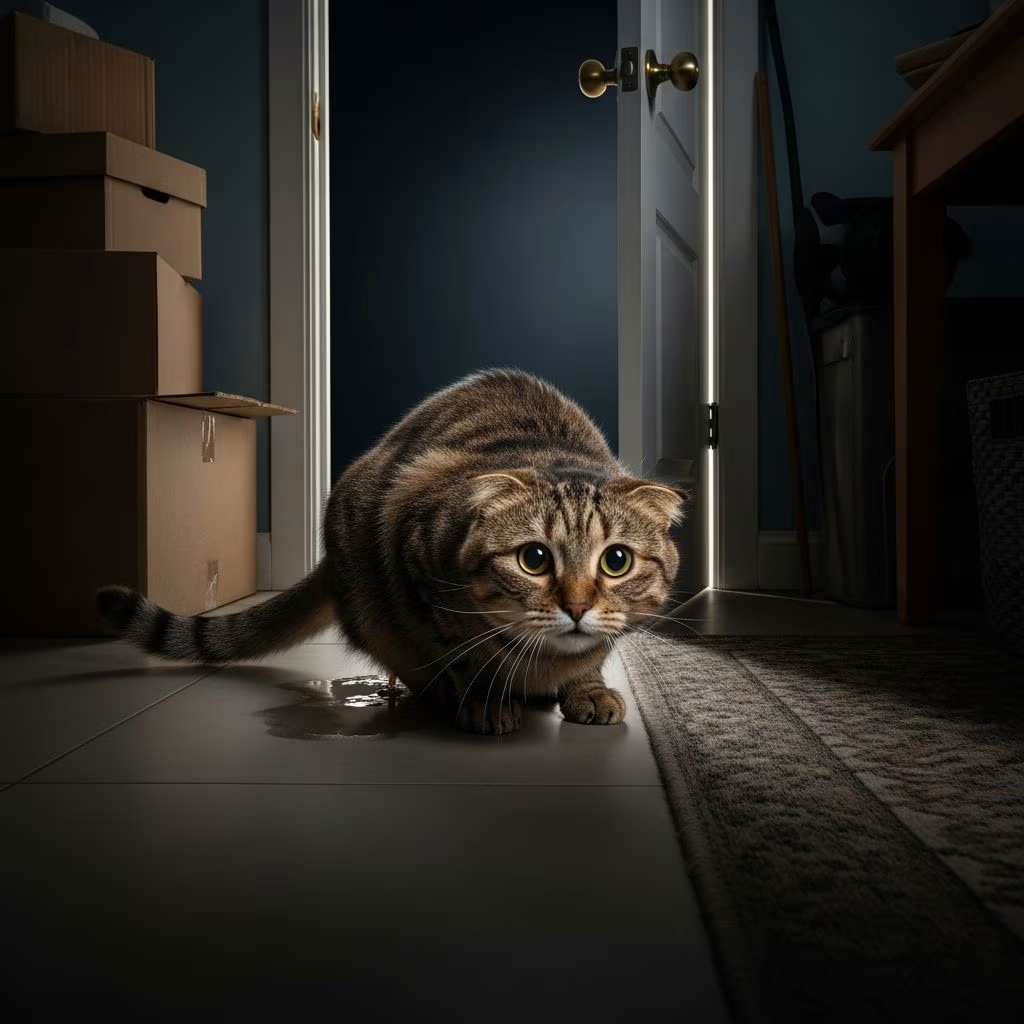
If you’re a devoted cat owner, you’re accustomed to your feline using the litter box faithfully. But occasionally, you might discover a small puddle of cat urine on the floor, couch, or even your bed—with your cat hiding nearby, wide-eyed and trembling. This puzzling behavior often stems from fear. Cats can indeed pee when scared, triggered by sudden stressors in their environment.
Understanding why cats pee when scared is crucial for addressing it effectively. This guide explores the root causes, from physiological responses to behavioral signals, and provides actionable strategies to help your cat regain confidence. By ruling out medical issues and implementing calming techniques, you can minimize messes and improve your pet’s quality of life. We’ll cover everything from involuntary urination to submissive peeing, plus vet-recommended solutions.
Rule Out Medical Conditions First
Before attributing out-of-box urination to fear, always consult a veterinarian to exclude underlying health problems. Cats are masters at masking pain, so what appears as behavioral might signal a serious issue like a urinary tract infection (UTI), bladder stones, or crystals causing discomfort.
Common medical culprits include:
- Urinary Tract Infections (UTIs): Bacteria invade the bladder, leading to frequent, painful urination outside the box. Inflammation increases urgency, mimicking fear responses.
- Bladder Stones (Cystic Calculi): These can irritate the bladder wall, cause blockages, and prompt sudden peeing. In males, this is a medical emergency.
- Feline Idiopathic Cystitis (FIC): Stress-triggered inflammation without infection, causing bloody urine, straining, and inappropriate elimination.
- Kidney or Liver Disease: These systemic issues boost urine production, overwhelming bladder control, especially in seniors.
A vet visit involves urinalysis, bloodwork, and possibly imaging to diagnose. Once cleared, focus shifts to behavior. Early detection prevents complications like life-threatening obstructions.
The 2 Reasons Why Cats Pee When Scared
Fear urination isn’t random; it’s an instinctual survival mechanism rooted in a cat’s nervous system and social dynamics. Here are the two primary reasons, supported by feline behavior experts.
1. They Can’t Help It: Involuntary Bladder Release
The most common cause is an uncontrollable physiological response. When startled, the sympathetic nervous system activates “fight or flight,” flooding the body with adrenaline. This can override voluntary bladder muscles, causing involuntary leakage—often just a few drops under the cat.
This fear-induced urination resembles human stress incontinence and occurs in highly aroused states. Triggers include:
- Sudden loud noises (thunder, fireworks, vacuums).
- Unfamiliar people, animals, or rapid movements.
- Pre-existing stress amplifying reactions in skittish cats.
Kittens and senior cats are most vulnerable due to weaker sphincter control. Even healthy adults can leak if terror peaks. Unlike full bladder emptying, it’s a small puddle, signaling pure reflex.
2. They’re Trying to Avoid a Fight: Submissive Urination
In multi-cat homes or territorial disputes, peeing serves as a appeasement signal. A scared cat urinates to show submission, diffusing aggression from a dominant feline—even household mates. This “submissive urination” communicates, “I’m not a threat; please don’t attack.”
While mild squabbles are normal, urine marking indicates escalated tension. Watch for signs like hissing, swatting, or blocking resources (food bowls, litter boxes). Intervene to restore harmony, as chronic stress leads to ongoing issues.
Key Differences:
| Reason | Characteristics | Triggers |
|---|---|---|
| Involuntary Release | Small puddle, no spraying; cat freezes/hides | Loud noises, surprises |
| Submissive Signal | Directed at aggressor; during confrontations | Cat-to-cat tension |
Calming a Scared Cat: Practical Strategies
Helping a fear-prone cat requires patience, environmental tweaks, and proactive management. Start by staying calm—cats mirror your energy.
Immediate Calming Techniques
- Create Safe Spaces: Designate quiet rooms (bathroom, bedroom) with litter box, food, water, and bedding for predictable scares like storms or guests. Add your worn clothing for familiar scents.
- Desensitization: Gradually expose to triggers at low intensity, pairing with treats or play to build positive associations.
- Pheromone Therapy: Products like Feliway diffusers mimic calming facial pheromones, reducing anxiety.
Long-Term Prevention
- Enrich Environment: Provide vertical spaces, hiding spots, and scratching posts to boost confidence.
- Routine Stability: Consistent feeding, play, and litter cleaning minimizes stress from changes.
- Multi-Cat Harmony: Ensure equal resources; use feeding stations to prevent competition.
- Play Therapy: Daily interactive sessions burn energy and reinforce security.
For separation anxiety (peeing on beds/clothes when alone), consider companions or puzzle feeders.
What to Do If Nothing Works
If peeing persists despite efforts, professional intervention is key. Vets may prescribe:
- Anxiolytics: Short-term anti-anxiety meds like fluoxetine for severe cases.
- Bladder Support: Medications for incontinence or FIC.
- Behavioral Consults: Certified specialists analyze triggers via video/logs.
Track incidents: location, time, preceding events. This data pinpoints patterns. Never punish— it heightens fear.
Frequently Asked Questions (FAQs)
Why does my cat pee on the floor when scared?
Cats pee on floors from fear due to involuntary bladder spasms or submission. Rule out UTIs first; then address stressors like noises or conflicts.
Is cat peeing when scared a sign of illness?
Possibly—always vet-check for infections or stones. Behavioral fear peeing is small amounts post-startle.
How do I stop my scared cat from peeing everywhere?
Contain during triggers, use pheromones, enrich environment. Meds if needed. Patience is essential.
Do all cats pee when scared?
No, but skittish, young, or old cats are prone. Confident cats may hiss/flee instead.
Can stress cause permanent litter box avoidance?
Yes, if unaddressed; FIC links stress to chronic issues. Early calming prevents this.
Final Thoughts
Fear-induced peeing in cats is a natural, if messy, response to threats—either involuntary or submissive. By prioritizing vet exams, decoding triggers, and fostering security, you empower your cat to conquer fears. With time and consistency, litter box fidelity returns, letting your feline thrive mess-free.
References
- Feline Behavior Problems: House Soiling — Cornell University College of Veterinary Medicine. 2023-05-15. https://www.vet.cornell.edu/departments-centers-and-institutes/cornell-feline-health-center/health-information/feline-health-topics/feline-behavior-problems-house-soiling
- 6 Reasons Your Cat Is Peeing Outside the Litter Box — PetMD (Maddie Lund, DVM). 2024-08-20. https://www.petmd.com/cat/behavior/reasons-your-cat-peeing-outside-litter-box
- The Fearful Cat — PAWS.org. 2023-11-10. https://www.paws.org/resources/fearful-cat/
- Urinary Stress and Inappropriate Urination in Cats — Hill’s Pet Nutrition. 2024-02-28. https://www.hillspet.com/cat-care/healthcare/cat-stress-urinary-issues
- Cat Behavior Problems – House Soiling — VCA Animal Hospitals. 2024-06-01. https://vcahospitals.com/know-your-pet/cat-behavior-problems-house-soiling



