

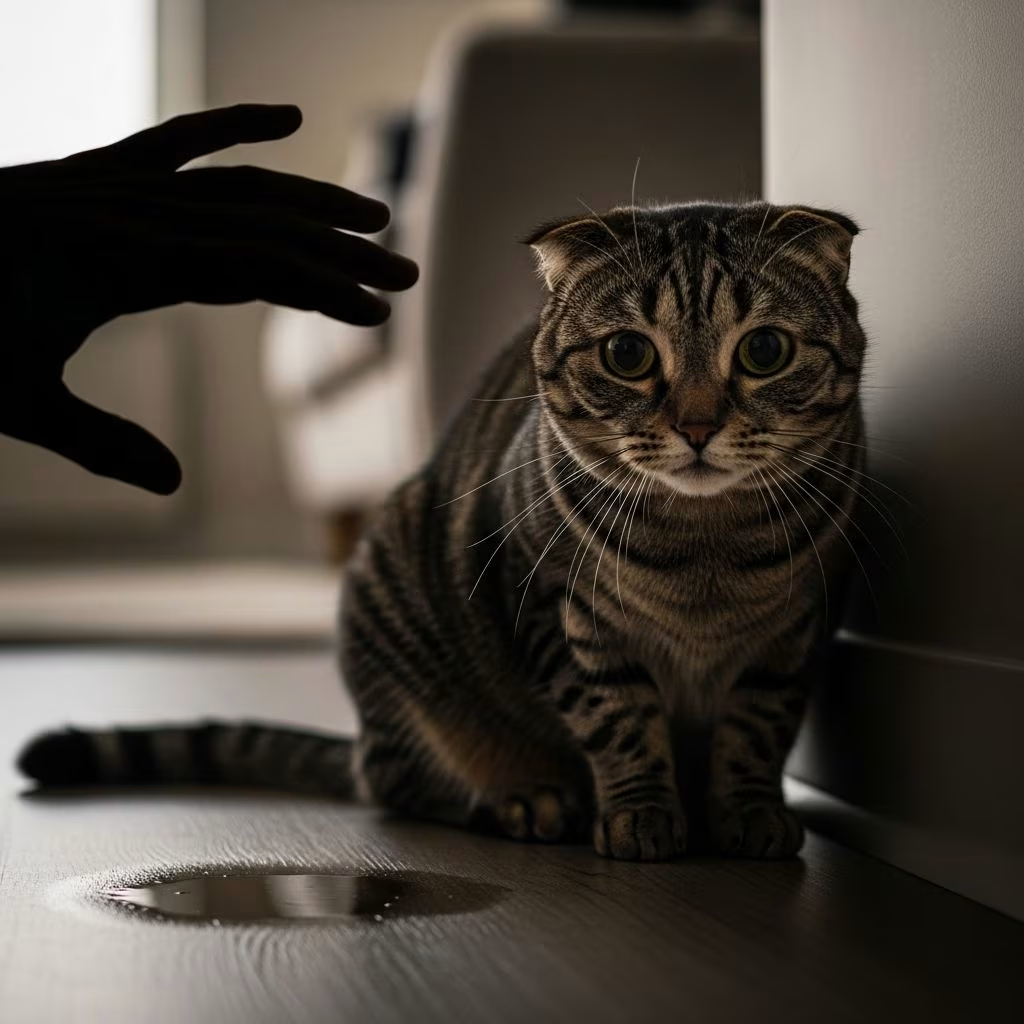
Why Do Cats Pee When Scared? Understanding Fear-Induced Urination
Cat owners often encounter unexpected puddles or wet spots in unusual places around their homes. While this behavior can be frustrating, understanding why it happens is the first step toward addressing it. One common reason cats urinate outside the litter box is fear or anxiety. When a cat becomes frightened or stressed, involuntary urination can occur as a physical response. This behavior, known as fear-induced urination, is a natural but manageable issue that many cat owners face.
If you’ve discovered cat urine in unexpected locations and your cat seems nervous or skittish, your pet may be experiencing fear-related urination. Unlike intentional marking or litter box aversion, this involuntary response is something your cat cannot fully control. By learning about the causes and implementing appropriate strategies, you can help your cat feel safer and reduce the frequency of these incidents.
Rule Out Medical Conditions First
Before attributing your cat’s inappropriate urination to behavioral issues, it’s essential to consult with a veterinarian to eliminate potential health problems. Many medical conditions can cause cats to urinate outside the litter box, and addressing these first ensures you’re treating the actual cause.
Several health issues can lead to inappropriate urination in cats:
- Urinary tract infections (UTIs): These painful infections can cause frequent urination and discomfort, prompting cats to eliminate outside their litter boxes.
- Bladder stones (cystic calculi): Stones in the bladder cause inflammation and urgency, making cats feel the constant need to urinate. In severe cases, these stones can block the urinary tract, which constitutes a medical emergency.
- Feline idiopathic cystitis (FIC): This stress-related bladder condition can be triggered by environmental changes and may result in bloody urine and frequent urination in small amounts.
- Kidney and liver disease: These conditions cause increased thirst and more frequent urination, which may result in accidents outside the litter box.
Once your veterinarian has ruled out these medical issues, you can confidently address the behavioral aspect of fear-induced urination. This distinction is crucial because treating a behavioral problem when a medical issue exists will not resolve the underlying concern.
The Two Reasons Why Cats Pee When Scared
Understanding the specific reasons behind your cat’s fear-induced urination helps you address the root cause more effectively. There are two primary explanations for this behavior, and both are important to recognize.
1. Involuntary Urination Response
The first reason cats pee when scared is that they simply cannot help it. When cats experience sudden fright or intense stress, their nervous system triggers an involuntary bladder response. This is not a deliberate action but rather an automatic physiological reaction to fear.
When a cat is startled, particularly by loud noises or unexpected events, the fear activates their fight-or-flight response. During this activation, the cat’s bladder control weakens, and small amounts of urine are released involuntarily. This typically results in just a small puddle beneath the cat rather than a complete bladder emptying.
Several factors influence the likelihood and severity of this involuntary response:
- Age: Kittens and elderly senior cats have naturally weaker bladder control than adult cats. A frightened kitten or senior cat is significantly more likely to pee than a scared adult cat, though this can occur at any age.
- Baseline anxiety: Cats that are naturally easily scared or already stressed about something are more prone to involuntary urination when frightened.
- Triggering noises: Sudden, loud noises such as fireworks, thunderstorms, or unexpected household sounds can trigger this loss of bladder control.
This involuntary response is sometimes referred to as fear-induced urination and represents a genuine neurological response rather than a behavioral choice.
2. Submissive Urination During Confrontations
The second reason cats pee when scared relates to social communication and submission. When cats find themselves in a confrontation with another cat—including cats they live with—a frightened cat may urinate as a way to show submission and avoid a fight. This behavior is sometimes called submissive urination.
In feline social dynamics, urination serves as a signal of non-aggression and deference. By urinating, the scared cat communicates to the other cat that it poses no threat and wishes to avoid conflict. While some fighting between cats is considered normal behavioral interaction, urination is a clear sign that the confrontation has escalated beyond typical play or mild aggression.
This submissive urination response is particularly common in:
- Multi-cat households where hierarchy is being established or challenged
- Situations involving a dominant and subordinate cat relationship
- Cats that are naturally nervous or have scaredy-cat temperaments
Calming a Scared Cat: Practical Strategies
Once you’ve ruled out medical issues and identified that fear is the cause of inappropriate urination, implementing calming strategies becomes essential. These approaches help reduce your cat’s anxiety and minimize fear-induced urination episodes.
Maintain a Calm Environment
The most important step in helping a scared cat is to remain calm yourself. Cats are highly perceptive animals that pick up on human emotions and energy. If you are upset, anxious, or frustrated, your cat will sense this and become even more stressed. By maintaining a relaxed demeanor around your cat, you communicate safety and help them feel more secure.
Practical ways to create a calm environment include:
- Keeping your voice soft and using gentle tones when speaking to your cat
- Avoiding sudden movements or loud activities near your cat
- Maintaining a consistent daily routine that your cat can rely on
- Creating quiet spaces where your cat can retreat and decompress
Prepare for Predictable Stressful Events
When you know in advance that something will scare your cat—such as fireworks, thunderstorms, or visitors coming over—take proactive steps to protect their peace of mind. The best approach is to contain your cat in a quiet, safe area during these events.
Set up a designated safe space such as a bathroom or spare bedroom with the following essentials:
- A clean litter box positioned away from the door
- Fresh food and water bowls
- A comfortable sleeping area with their favorite bedding
- An article of your clothing that carries your scent
- Their favorite blanket or toys for comfort
This containment strategy serves multiple purposes. It keeps your cat away from the frightening stimulus, provides them with a controlled environment where they feel safe, and ensures that if urination does occur, it happens on a readily cleanable surface or in the litter box. Allow your cat to remain in this space until the comforting event has passed and they’ve had time to decompress.
Use Familiar Scents
Cats find comfort in familiar scents. Providing items that smell like you or that carry the scent of their environment can significantly reduce anxiety. Your clothing or a blanket that smells familiar serves as a security object that helps your cat feel less alone and more secure during stressful situations.
What to Do If Nothing Works
If your cat is constantly stressed, scared, and peeing in inappropriate places despite your best efforts, this persistent behavior signals that something in their environment is significantly upsetting them. In these cases, professional intervention becomes necessary.
When nothing seems to help, consult with your veterinarian about possible solutions. Your vet can:
- Identify environmental stressors that may not be obvious to you
- Discuss behavioral modification techniques tailored to your cat’s needs
- Prescribe anxiety medication if appropriate to help your cat manage their fear response
- Recommend medication to help with bladder control issues
- Suggest consulting with a feline behavioral specialist for additional support
Some cats benefit from medication that reduces overall anxiety levels, which in turn improves bladder control and reduces the frequency of fear-induced urination episodes. Your veterinarian can help determine if this approach is right for your cat.
Understanding Stress-Related Urination Issues
Beyond acute fear responses, chronic stress and anxiety can lead to broader urination problems in cats. Feline idiopathic cystitis (FIC) is a stress-related condition that causes bladder inflammation and inappropriate urination. Cats with FIC often urinate more frequently in smaller amounts and may develop blood in their urine in severe cases.
FIC typically affects:
- Indoor-only cats
- Cats in multi-cat households
- Naturally nervous cats or those with scaredy-cat temperaments
- Young to middle-aged cats, though it can occur at any age
Any significant environmental change can trigger or exacerbate FIC, including:
- Changes in routine or schedule
- New family members or guests
- Home renovations or moving furniture
- Installation of new appliances
- Changes in litter box location or type
Frequently Asked Questions
Q: Is fear-induced urination the same as marking behavior?
A: No. Fear-induced urination is an involuntary response where a cat releases small amounts of urine due to fright. Marking behavior is intentional and involves spraying small amounts of urine on vertical surfaces to claim territory. These are distinct behaviors with different causes and solutions.
Q: Can adult cats have involuntary urination from fear?
A: Yes, while kittens and senior cats are more susceptible, adult cats of any age can experience involuntary urination when frightened. Cats that are naturally anxious or already stressed are more likely to exhibit this behavior than confident, calm cats.
Q: What’s the difference between fear-induced urination and behavioral problems?
A: Fear-induced urination is an involuntary physical response to fright, while behavioral problems may involve intentional inappropriate elimination due to litter box aversion or marking territory. Understanding the distinction helps you choose the appropriate intervention strategy.
Q: How long does it take for a scared cat to calm down?
A: The timeline varies by individual cat. Some cats recover within minutes, while others may need hours or even days to fully decompress. Cats need time to adjust to changes and stressful situations, and some naturally take longer than others.
Q: Should I punish my cat for fear-induced urination?
A: No. Fear-induced urination is an involuntary response that the cat cannot control. Punishment will only increase anxiety and worsen the behavior. Instead, focus on creating a safe environment and addressing the underlying fear or stress.
References
- Why Do Cats Pee When Scared? — Catster. Accessed January 2026. https://www.catster.com/cat-behavior/why-do-cats-pee-when-scared/
- 6 Reasons Your Cat Is Peeing Outside the Litter Box and What to Do About It — PetMD. https://www.petmd.com/cat/behavior/reasons-your-cat-peeing-outside-litter-box
- Inappropriate and Stress Urination in Cats — Hill’s Pet US. https://www.hillspet.com/cat-care/healthcare/cat-stress-urinary-issues
- Cat Behavior Problems – House Soiling — VCA Animal Hospitals. https://vcahospitals.com/know-your-pet/cat-behavior-problems-house-soiling
- Why is My Cat Peeing Outside the Litter Box? — Arm & Hammer. https://www.armandhammer.com/en/articles/why-is-cat-peeing-outside-litter-box
Final Thoughts
When scared cats pee out of fear, it’s an involuntary response rooted in their nervous system’s reaction to fright. Once you rule out medical issues that may be causing inappropriate urination, you can focus on helping your cat overcome their fear and stress. By understanding the two primary reasons behind this behavior—involuntary urination and submissive marking—you’re better equipped to implement effective solutions. Creating a calm environment, preparing for predictable stressors, and providing comfort items all contribute to reducing fear-induced urination episodes. Remember that cats need time to adjust to changes, and some may take longer than others. With patience, understanding, and professional support when needed, you can help your frightened feline feel more secure and comfortable in their home.



