
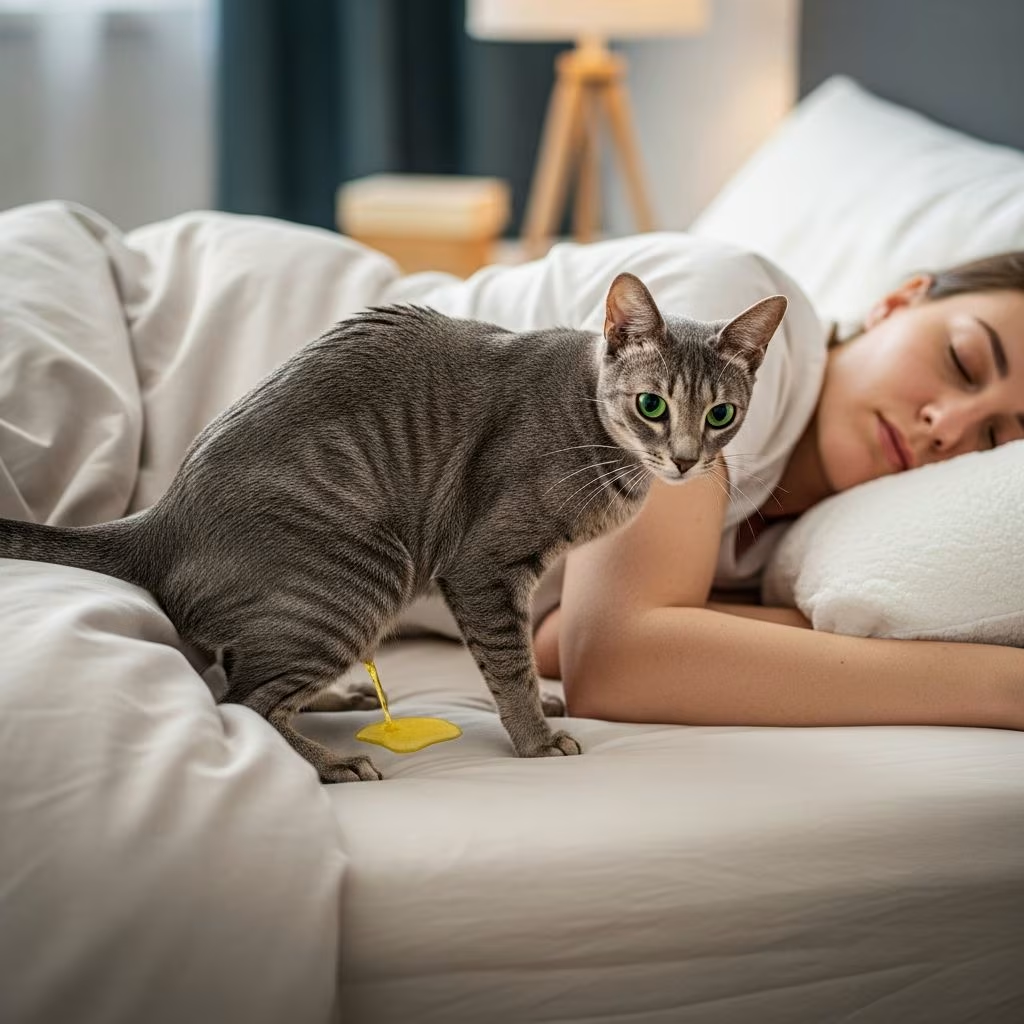
If you’ve ever woken up to the unpleasant surprise of your cat peeing on you while sleeping, you’re not alone. This baffling behavior can be distressing, but it often signals an underlying issue rather than spite. Understanding the root causes—ranging from medical conditions to environmental stressors—is the first step to resolution. This article explores the five primary vet-reviewed reasons, drawing from expert insights, and provides actionable solutions to help you and your feline companion get back to peaceful nights.
The 5 Reasons Why Your Cat Peed on You While You Were Sleeping
Cats are fastidious creatures by nature, so inappropriate urination, especially on their favorite human, warrants immediate attention. While it might feel personal, cats don’t act out of revenge; instead, they communicate discomfort through such behaviors. Let’s break down the most common culprits.
1. Your Cat Has Underlying Health Issues
The most critical reason to investigate first is health-related problems. Sudden changes in urination habits, particularly outside the litter box, often indicate medical concerns that make it difficult for your cat to control their bladder. A veterinary examination, including urine and blood tests, is essential to diagnose and treat these issues promptly.
Common health problems include:
- Urinary problems: Conditions like urinary tract infections (UTIs), feline lower urinary tract disease (FLUTD), or bladder inflammation (cystitis) cause pain, urgency, and frequent small urinations. Cats may associate the litter box with discomfort and seek softer, more comfortable spots like your bed.
- Arthritis: In older cats, joint pain from arthritis can make navigating to the litter box challenging, especially at night. Weakened mobility leads them to relieve themselves where they rest.
- Problems that cause increased thirst and urination: Diseases such as diabetes mellitus or chronic kidney disease force cats to drink and urinate more frequently. They may not reach the litter box in time, opting for the nearest soft surface—you.
- Weakness or incontinence: Nerve damage, urethral blockages, or even rare cases like feline leukemia virus can lead to involuntary urine leakage. Senior cats with cognitive dysfunction might simply forget litter box training.
Early intervention is key. Vets often prescribe antibiotics for infections, pain management for arthritis, or dietary changes for kidney issues. Ignoring these signs can lead to severe complications, like life-threatening urethral obstructions in male cats.
2. Your Cat Is Dealing With Environmental Stress
Once medical issues are ruled out, consider stress as a major trigger. Cats thrive on routine and familiarity; disruptions can provoke anxiety-driven urination. This behavior helps them feel secure by marking safe spaces with their scent.
Common stressors include:
- New pets, babies, or household members, prompting territorial marking or fear of traversing to the litter box.
- Recent moves, renovations, or schedule changes that disrupt their sense of security.
- External threats like neighborhood cats, loud noises, or barking dogs, making nighttime litter box trips risky.
For instance, if a new dog roams freely, your cat might avoid leaving the bedroom, choosing to pee on you instead for safety. Most cases resolve as cats acclimate, but proactive steps like pheromone diffusers (e.g., Feliway) can speed recovery.
3. Litter Box Aversion
Your cat might love their litter box during the day but reject it at night due to dissatisfaction. If they’re peeing elsewhere consistently, check for issues like:
- Cleanliness: Cats are picky; a dirty box prompts avoidance.
- Location: Boxes in high-traffic or unsafe areas deter use, especially for timid cats.
- Litter type: Sudden switches to scented or clumping litters can cause rejection. Experiment with unscented, fine-grained options.
- Size or number: The rule is one box per cat plus one extra. Multi-cat homes need multiples in quiet spots.
Monitor patterns: If they use the box daytime but not night, proximity or accessibility is likely the issue. Cleaning accidents with enzymatic cleaners prevents re-marking.
4. Territorial Marking or Hormonal Behavior
Unneutered cats, especially males, may spray urine to mark territory, triggered by hormones, stress, or intruders. Females can do this too, particularly in heat. Your bed, smelling strongly of you, becomes a prime target for reclamation.
Signs include vertical spraying rather than squatting. Neutering/spaying resolves most cases, reducing hormone-driven urges by up to 90%. Stress amplifiers like new animals exacerbate this.
5. Arthritis, Age-Related Issues, or Weakness
Expanding on health, age-specific problems like osteoarthritis or cognitive decline in seniors (over 10 years) impair mobility and memory. Cats may not reach the box or forget its location, leading to bedside accidents.
Solutions include low-entry litter boxes, ramps, or joint supplements. For cognitive issues, consistent routines and vet-prescribed medications help.
How to Stop Your Cat from Peeing on You While Sleeping
Addressing the cause is paramount. Start with a vet visit, then implement these strategies:
| Issue | Solutions |
|---|---|
| Medical | Vet exam, meds, diet changes |
| Stress | Pheromone diffusers, safe spaces, routine |
| Litter Box | Clean daily, add boxes, try new litter |
| Marking | Spay/neuter, clean with enzymes |
| Arthritis/Age | Low boxes, pain relief, supplements |
Additional tips:
- Thoroughly clean bedding with pet-safe enzymatic cleaners to erase scents.
- Use waterproof mattress covers temporarily.
- Provide multiple safe resting spots away from the bed.
- Calming aids like probiotics or L-theanine supplements.
Patience is crucial; changes may take weeks. Track incidents in a journal for vet insights.
Frequently Asked Questions (FAQs)
Q: Is my cat peeing on me out of spite?
A: No, cats don’t act spitefully. This behavior stems from medical needs, stress, or instincts, not revenge.
Q: How do I know if it’s a health issue?
A: Look for symptoms like straining, blood in urine, increased thirst, or lethargy. Always consult a vet first.
Q: Will my cat outgrow stress-related peeing?
A: Often yes, with time and intervention like Feliway. Persistent cases need professional behaviorist help.
Q: What litter is best to prevent this?
A: Unscented, clumping clay or fine silica. Offer choices and keep boxes spotless.
Q: Can diet affect urination habits?
A: Yes, wet food promotes hydration and reduces crystals; prescription diets manage diseases.
Conclusion
Waking to your cat peeing on you is frustrating, but it’s a cry for help. Prioritize a vet check to exclude health woes, then tackle environmental factors. With diligence, most cats return to proper habits, strengthening your bond. Stay patient—your furry friend thanks you!
References
- Feline Behavior Problems: House Soiling — Cornell University College of Veterinary Medicine. 2023-05-15. https://www.vet.cornell.edu/departments-centers-and-institutes/cornell-feline-health-center/health-information/feline-health-topics/feline-behavior-problems-house-soiling
- 10 Reasons Why Your Cat Is Peeing on the Bed and How To Stop It — PetMD. 2024-08-20. https://www.petmd.com/cat/behavior/cat-peeing-on-the-bed
- Why Is My Cat Peeing on My Bed? Causes & Solutions — Chewy. 2024-03-10.

medha deb
Medha Deb is an editor with a master's degree in Applied Linguistics from the University of Hyderabad. She believes that her qualification has helped her develop a deep understanding of language and its application in various contexts. Medha specializes in the areas of beauty, health, sports, and wellness and is committed to ensuring that the content on the website is of the highest quality.Medha's passion for writing and editing began early in life when she joined a book writer's club with her mother. It was there that she discovered her love for the written word and the power it holds to inform, inspire, and transform lives. Since then, she has honed her skills as a writer and editor, working with a variety of clients and publications to produce compelling and informative content. Currently, she writes and edits for fluffyaffair.She is also an ardent animal lover and dedicates her time and resources to the foster care of neonatal kittens, providing them with the love and attention they need to thrive. Her commitment to animal welfare is a testament to her compassion and empathy, and it underscores her belief in the importance of caring for the most vulnerable members of our society. More articles →



