

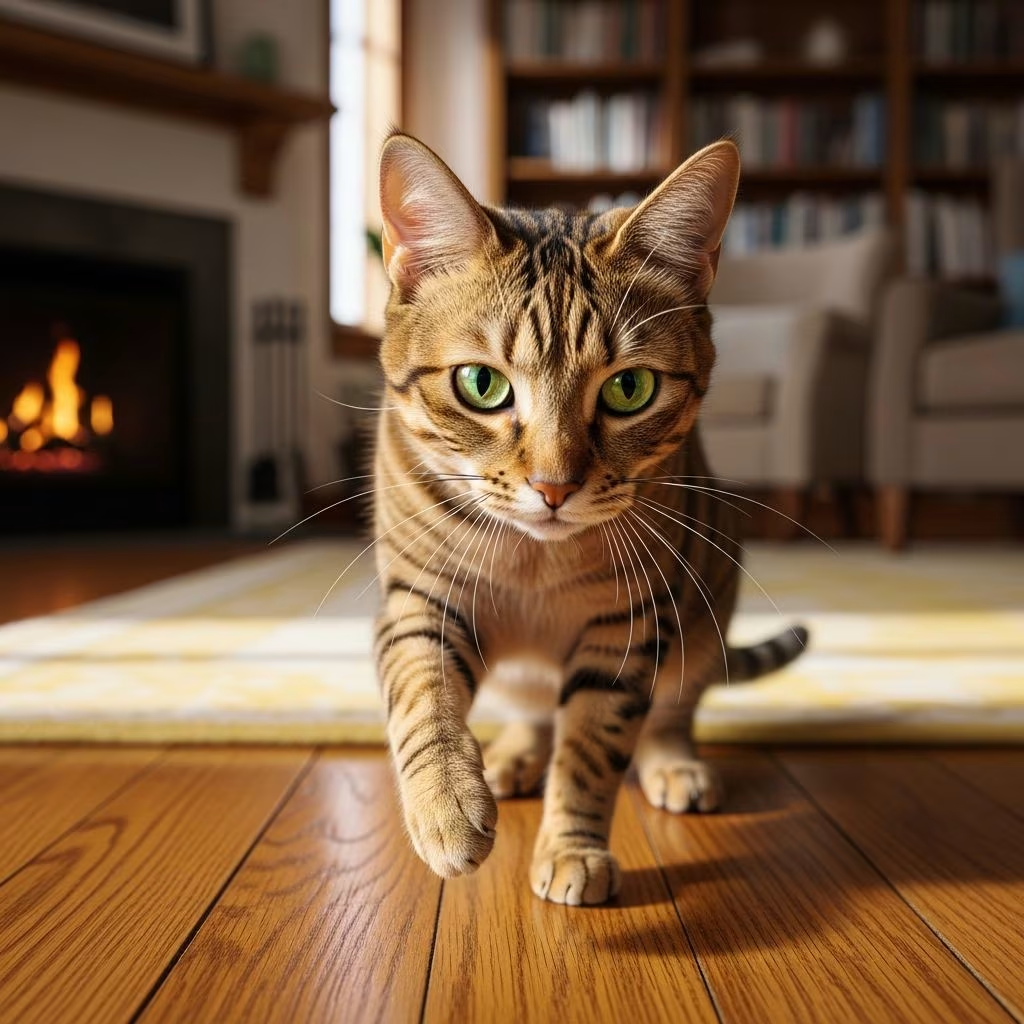
Cats pawing at the floor is a common behavior rooted in their wild instincts, even in domestic settings. This action often mimics natural survival tactics like burying food or marking territory, helping cats feel secure and communicate with others. Understanding these motivations allows owners to address the behavior effectively without frustration.
The 4 Reasons Why Cats Paw at the Floor
Feline experts identify four primary reasons for this pawing: curiosity about textures, retrieving dropped items, burying instincts after eating or using the litter box, and hunting responses to sounds like rodents. Each stems from evolutionary adaptations that persist in house cats.
1. They’re Curious About the Texture
Cats cautiously paw at unfamiliar surfaces to test stability and texture, much like humans testing icy ground. This exploratory behavior is especially common with new flooring, rugs, or changed environments, resolving as the cat becomes familiar. Kittens exhibit this more frequently as they learn about their world, using paws to gather sensory data before committing their full weight.
In multi-surface homes, cats may prefer carpeted areas for their grip, pawing to feel the fibers. This instinct ensures safety, preventing slips on unstable ground—a survival trait from wild ancestors navigating varied terrains. If your cat paws at smooth tiles or hardwood, it might be assessing slipperiness before stepping.
2. Something They Want Is On the Floor
Cats often paw at kibble, treats, or toys dropped on the floor near feeding stations. This precise pawing aims to scoop items into their mouth, a skill honed for hunting small prey. Observe this during mealtimes: a piece of food escapes the bowl, prompting frantic pawing to retrieve it.
This behavior highlights cats’ dexterity and focus. Unlike dogs who might use their mouth directly, cats prefer paws for delicate manipulation, simulating capturing elusive insects or rodents. Providing puzzle feeders can channel this energy positively.
3. Burying Instinct After Eating or Pooping
The most frequent cause is the burying instinct. After eating, cats paw to ‘hide’ food remnants, mimicking wild behavior to avoid attracting predators via scent. This caching tactic protects kills from competitors, with domestic cats treating bowls similarly—pawing around dry food they dislike or wish to save.
Post-pooping floor pawing signals litter box dissatisfaction: too small, low-sided, unclean, or unappealing litter. Cats genetically bury waste to conceal scents from predators and prey. A dirty box overwhelms their superior sense of smell (14 times stronger than humans), prompting floor scratching as an alternative. Scoop twice daily, use clumping litter, and ensure box size allows full turning (1.5x cat length).
| Litter Box Issue | Solution |
|---|---|
| Too small | Upgrade to larger box matching cat’s size |
| Low sides | Choose high-sided trays to contain mess |
| Unclean | Scoop 2x daily; full clean weekly |
| Wrong litter | Test unscented, clumping varieties |
4. They Hear a Rodent
Cats detect ultrasonic rodent communications inaudible to humans, pawing intently at floors to reach them. This hunting drive activates near walls or vents. While rare in pest-free homes, check for signs like droppings. Provide interactive toys to redirect this energy.
Other Reasons Cats Paw at the Floor
Beyond the top four, cats paw for territorial marking, nail maintenance, kneading, stress relief, or habit. Scent glands in paw pads release pheromones during scratching, signaling ownership and safety to other cats. This visual (claw marks) and chemical marking maintains hierarchy.
Kneading or ‘making biscuits’ involves rhythmic pawing, often on soft fabrics, linked to nursing comfort and muscle toning. Stress from moves, new pets, or changes prompts excessive pawing; increase playtime for reassurance. Habitual pawing may clean nails, shedding husks for sharp replacements.
- Territorial Marking: Leaves scent and scratches for communication.
- Nail Maintenance: Sharpens claws, removes sheaths.
- Kneading/Comfort: Relives kittenhood bliss.
- Stress/Anxiety: Indicator of environmental unease.
How to Stop Cats Pawing at the Floor
Redirect rather than punish, as scratching is natural. Provide alternatives: scratching posts (sisal or carpeted matching floor texture), pads near problem areas. Trim nails regularly, use deterrents like double-sided tape on floors, and positive reinforcement with treats for post use.
For litter-related issues, optimize box setup. Stress management includes pheromone diffusers, consistent routines, and vertical spaces. Train with clickers: reward desired scratching immediately. Persistence may indicate medical issues; consult a vet if sudden or excessive.
Frequently Asked Questions (FAQs)
Why does my cat paw at the floor after eating?
Your cat is instinctively burying food to hide its scent from predators, a holdover from wild ancestors. Offer covered bowls or puzzle toys to satisfy this.
Why does my cat scratch the floor around the litter box?
Likely due to a too-small, dirty, or unappealing box. Cats bury waste to conceal scents; improve setup for resolution.
Is floor pawing a sign of stress in cats?
Yes, excessive pawing across surfaces can indicate anxiety from changes like new pets or moves. Vet assessment recommended.
How do I redirect my cat’s floor scratching?
Use compatible scratching posts/pads, trim nails, apply deterrents, and reward alternatives.
Should I be worried if my kitten paws at the floor a lot?
Normal exploration in kittens; provide toys and posts. Monitor for persistence into adulthood.
When to See a Vet
Consult if pawing accompanies appetite loss, lethargy, litter avoidance, or sudden onset—these signal pain, worms, or urinary issues. Behavioral scratching is harmless, but rule out health first.
References
- Why Do Cats Paw at The Floor? Our Vet Answers — Catster. 2023-10-15. https://www.catster.com/ask-the-vet/why-do-cats-paw-at-the-floor/
- Why Do Cats Scratch The Floor? How To Stop This Behavior? — Hyperfavor. 2024-05-20. https://hyperfavor.com/blogs/animal-blog/why-do-cats-scratch-the-floor-how-to-stop-this-behavior
- Cat Scratches Walls? 4 Reasons Why and How to Stop It — Chewy. 2024-08-12. https://www.chewy.com/education/cat/health-and-wellness/why-does-my-cat-scratch-the-wall-and-floor
- How to Stop Cats From Scratching the Furniture — PetMD. 2024-03-10. https://www.petmd.com/cat/behavior/how-to-stop-cats-from-scratching-furniture



