

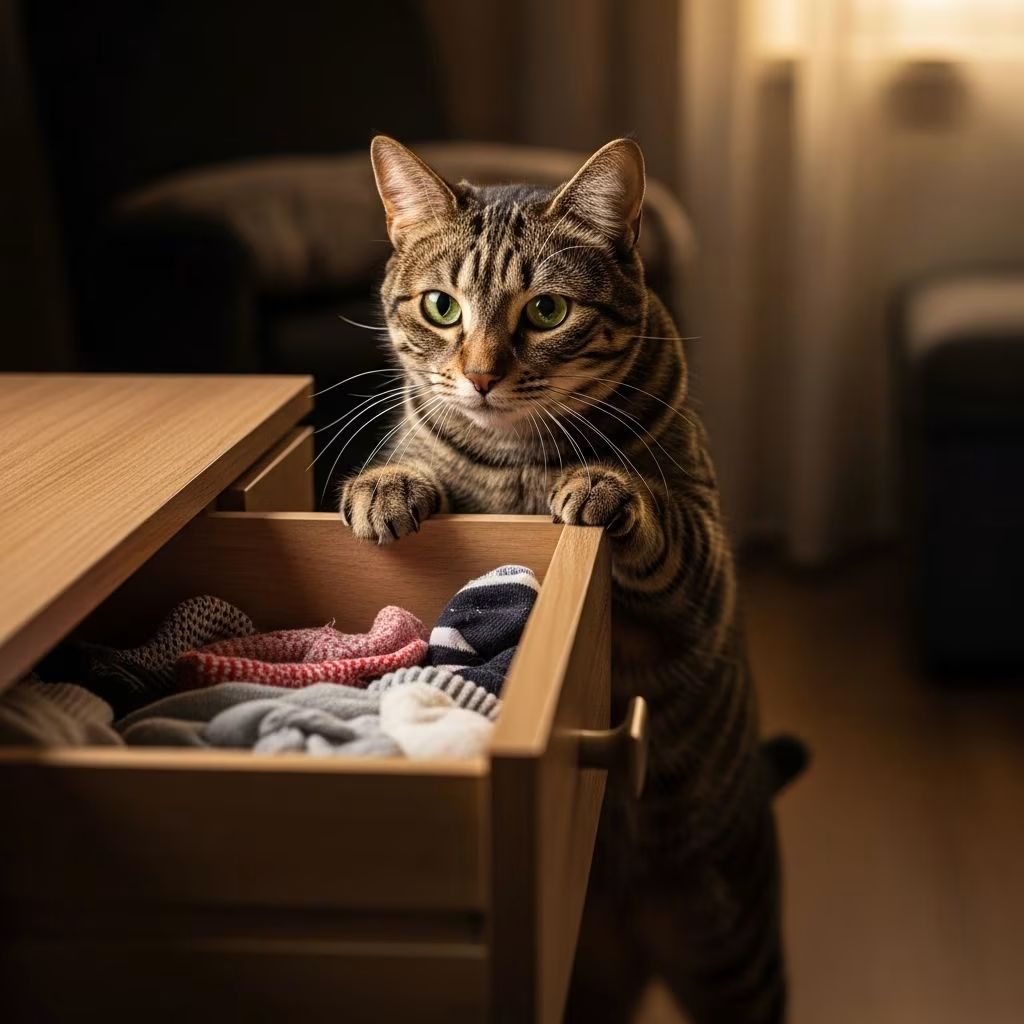
Cats are notorious for their mischievous antics, and opening drawers ranks high among their favorite pastimes. This behavior can be both endearing and frustrating for cat owners, as felines nimbly pry open cabinets and drawers with surprising dexterity. But what drives this drawer-diving obsession? Understanding the motivations behind it—from innate curiosity to boredom—helps owners address it effectively while ensuring safety.
In this comprehensive guide, we explore the primary reasons cats target drawers, how to discourage the habit without stifling their natural instincts, and strategies for cat-proofing your home. Whether your cat is a playful kitten or a seasoned explorer, these insights will help you manage the chaos.
Reasons Why Cats Open Drawers
Cats open drawers for a variety of instinctual and environmental reasons. Their agile paws and sharp claws make it easy to hook handles, turning everyday furniture into playgrounds. Below, we break down the most common motivations, backed by feline behavior experts.
Curiosity and Exploration
Cats are wired for curiosity, a trait honed by their wild ancestors who needed to investigate every nook for survival. Drawers represent mysterious portals filled with novel scents, textures, and hidden treasures. When your cat hooks a paw into a drawer handle, it’s not mischief—it’s an exploration mission.
This behavior peaks in kittens, who use it to learn about their world. Adult cats may revert to it during environmental changes, like moving to a new home, where familiar furniture suddenly holds new allure. Providing alternative outlets, such as puzzle toys, can redirect this instinct.
Hunting Instincts and Play
Domestic cats retain the predatory drive of their feral counterparts. Opening a drawer mimics the thrill of pouncing on prey, with the sliding motion and emerging contents triggering their chase response. Items inside—socks, papers, or crinkle toys—become “prey” to bat around.
Observational studies of cat behavior note that felines often vocalize or crouch before opening drawers, mimicking stalking. This is especially common at dawn or dusk, aligning with their crepuscular (twilight-active) nature. Interactive play sessions with wand toys can satisfy this urge constructively.
Boredom and Attention-Seeking
A bored cat will invent entertainment, and accessible drawers are prime targets. Insufficient stimulation leads to destructive habits as cats seek mental and physical challenges. If drawer-opening coincides with your absence or routine changes, it may be a bid for attention.
Signs of boredom include excessive meowing, overgrooming, or lethargy alongside the drawer antics. Enriching their environment with vertical spaces, like cat trees, and scheduled play reduces reliance on furniture for fun.
Seeking Warmth or Hiding Spots
Drawers offer cozy confines, especially in cooler homes. Cats squeeze inside for warmth, drawn by the enclosed space that feels secure. Empty or lightly filled drawers are ideal nests, sometimes leading to accidental closures and distress.
This ties to their ancestral need for safe dens. In multi-cat homes, it can signal stress from territory disputes. Always check drawers before closing to prevent injuries.
Territorial Marking and Scent
Cats use scent glands on their paws to mark territory. Rubbing and pawing drawers deposits pheromones, claiming the space. This is subtle but persistent, especially on wooden surfaces that absorb scents well.
Female cats in heat or unneutered males may intensify this. Spaying/neutering often curbs it, combined with pheromone diffusers for harmony.
How to Stop Cats from Opening Drawers
Preventing drawer access requires a multi-faceted approach: deterrence, redirection, and enrichment. Punishment is ineffective and harmful, as cats don’t connect it to the behavior. Instead, focus on positive strategies.
- Childproof Locks: Adhesive drawer latches or magnetic locks install without drilling, ideal for renters. They mimic baby-proofing and withstand determined paws.
- Heavy Weights: Place bricks or canned goods inside drawers to add resistance. Rotate items to avoid creating new patterns your cat learns.
- Deterrents: Double-sided tape on handles creates an unpleasant sticky sensation. Citrus sprays or motion-activated air puffs startle without harm.
- Environmental Enrichment: Install window perches, scratching posts, and foraging toys. Daily 15-minute play sessions mimic hunting, tiring them out.
- Alternative Hiding Spots: Provide cat tunnels, boxes, or heated beds to satisfy nesting urges safely.
DIY Drawer Locks for Renters
For apartment dwellers, no-drill solutions abound. Tension rods across drawer fronts or Velcro straps looped around handles offer quick fixes. Pool noodles cut to fit behind drawers add padding and resistance.
| Method | Pros | Cons | Best For |
|---|---|---|---|
| Adhesive Latches | Secure, easy install | May leave residue | Bathroom/Kitchen |
| Velcro Straps | Cheap, removable | Less durable | Occasional use |
| Heavy Items | No cost | Impractical for frequent access | Low-traffic drawers |
| Spray Deterrents | Non-invasive | Needs reapplication | Temporary fix |
Is It Dangerous for Cats to Open Drawers?
Yes, potential hazards abound. Cats can trap limbs, ingest small items like rubber bands, or access toxins in cleaning supply drawers. Sudden closures risk crush injuries, and falls from high drawers cause trauma.
Statistics from veterinary reports indicate furniture-related injuries account for 10-15% of cat ER visits, often from tip-overs or entrapments. Supervise young cats and secure hazardous areas first.
When to See a Vet About Drawer-Opening
Occasional drawer play is normal, but escalate if accompanied by aggression, weight loss, or litter box issues. These signal anxiety, hyperthyroidism, or cognitive decline in seniors. A vet rules out medical causes before behavioral intervention.
FAQs
Why does my cat open drawers at night?
Nighttime activity stems from their crepuscular nature. Boredom amplifies it; provide nighttime toys like treat puzzles.
Can I train my cat not to open drawers?
Yes, through redirection and consistency. Reward calm behavior with treats, ignoring the unwanted action.
What if my cat gets stuck in a drawer?
Gently open and remove them, then install locks. Monitor for injuries like paw swelling.
Do all cats open drawers?
No, but curious breeds like Siamese or Bengals are more prone. Environment plays a bigger role than breed.
Will spaying stop this behavior?
It reduces hormone-driven marking but not curiosity or boredom-based opening.
Enhancing Your Cat’s Environment
Beyond prevention, create a stimulating space. Vertical real estate like shelves lets them climb safely. Rotating toys prevents habituation. Feliway diffusers calm stress-induced antics.
Track patterns: Does it happen post-feeding or when alone? A journal informs tailored solutions. Community forums share renter hacks, like using command hooks for barriers.
References
- ASPCA Cat Behavior Guide — ASPCA. 2024-05-15. https://www.aspca.org/pet-care/cat-care/cat-behavior-basics
- Feline Behavior Guidelines — American Association of Feline Practitioners (AAFP). 2023-10-01. https://catvets.com/resources/feline-behavior-guidelines
- Understanding Feline Curiosity and Exploration — Journal of Feline Medicine and Surgery (Peer-reviewed). 2022-07-20. https://doi.org/10.1177/1098612X221099999
- Pet Safety and Home Hazards — CDC Pet Health Division. 2025-01-10. https://www.cdc.gov/healthypets/petsafety.html
- Enrichment for Indoor Cats — Cornell University College of Veterinary Medicine. 2024-03-05. https://www.vet.cornell.edu/departments-centers-and-institutes/cornell-feline-health-center/health-information/feline-health-topics/enrichment-indoor-cats



