

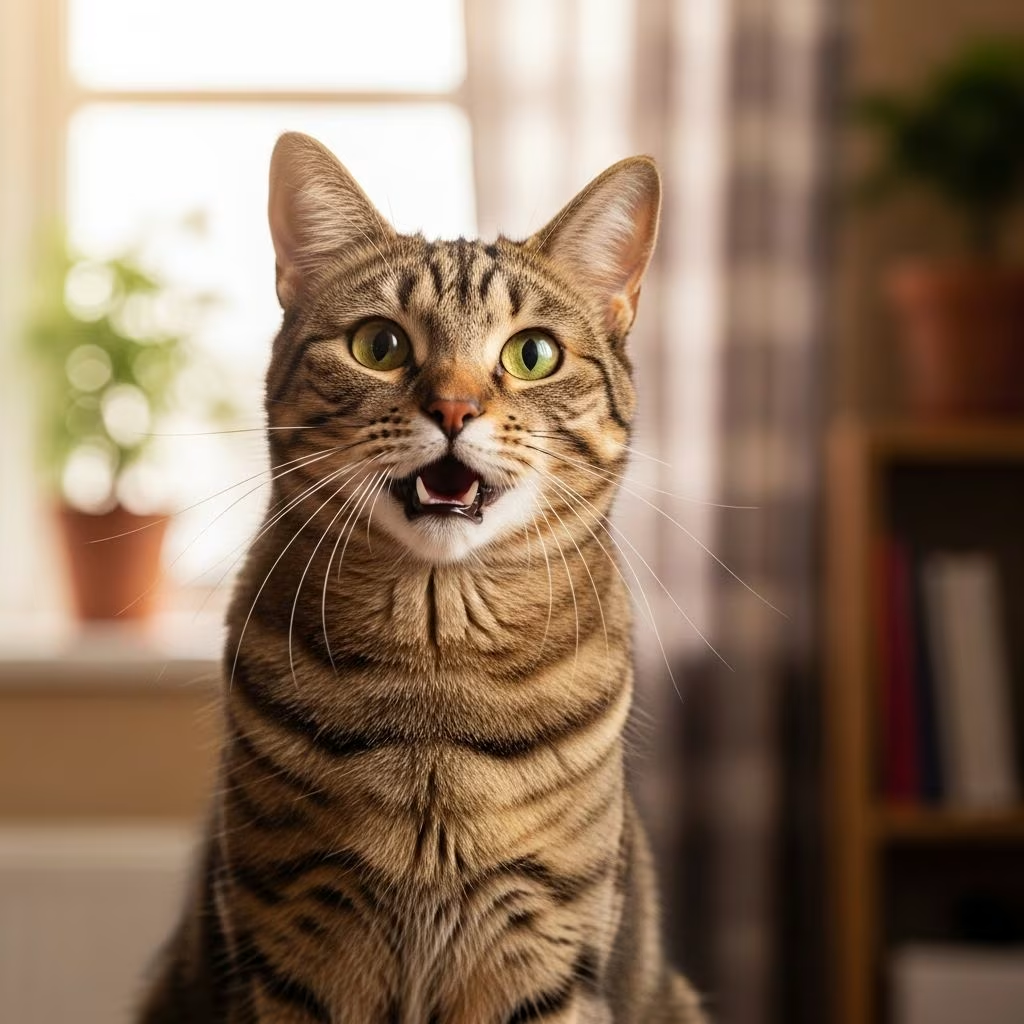
If you’ve ever chatted with your cat and received a meow in response, you’re not alone. Many cat owners notice their felines “talking back,” especially during conversations, sneezes, or random noises. This behavior feels like a genuine dialogue, but what’s really going on? Meowing is primarily a cat’s way of communicating with humans, not other cats. Kittens meow to their mothers for needs like food or warmth, but adult cats reserve this vocalization almost exclusively for us.
In this comprehensive guide, we’ll break down the five main reasons your cat meows back at you, drawing from veterinary insights and behavioral studies. Whether it’s a chatty Siamese or a sudden change in vocal habits, understanding these reasons can strengthen your bond and help spot potential health issues. We’ll also cover practical tips to manage excessive meowing and FAQs for quick answers.
The 5 Reasons Your Cat Meows Back at You
Cats don’t meow at each other much as adults; they rely on body language, scents, and other vocalizations like purring or hissing. Meowing evolved as a human-directed signal, making it a powerful tool for interaction. Here are the top vet-reviewed explanations for why your cat might meow right back when you speak.
1. They’re Just Chatty
Some cats are naturally more vocal than others, turning every interaction into a conversation. Breeds like the Siamese, Oriental Shorthair, and Tonkinese are famous for their talkative nature, often meowing constantly regardless of what you’re doing. If you talk, they meow back. If you stay silent, they might meow anyway. This isn’t about specific needs—it’s just their personality.
These “chatty Cathys” vocalize for the joy of it, filling the air with chirps, trills, and meows. Genetics play a role; certain breeds have been selectively bred for sociability and expressiveness. A study on feline vocalizations notes that vocal breeds produce a wider range of meow pitches and frequencies to engage humans. If your cat is always responding, embrace it as their unique quirk—it’s a sign of high energy and affection.
2. They’re Trying to Communicate
Meowing is cats’ primary language for humans. Adult cats rarely meow at each other, preferring subtle cues, but with people, it’s their go-to method. When you speak, your cat may meow back to greet you, acknowledge your presence, or start a “conversation.” This mimics kitten-mother interactions, where mews signal needs or location.
Common communication meows include:
- Greeting meows: Short, friendly sounds when you enter a room or speak to them.
- Request meows: Drawn-out cries for food, water, or access to a room.
- Response meows: Quick replies to your voice, showing they’re listening.
According to the ASPCA, cats meow to say hello, solicit petting, or alert you to issues like an empty bowl. Over time, they refine meows based on your reactions, learning which sounds get the best response. Next time your cat meows back, consider it their way of saying, “I hear you—now listen to me!”
3. They’re Looking for Attention
Meowing is a cat’s loud, effective attention-grabber. It’s not abrasive like yowling but insistent enough to draw your focus. If your cat meows only when you’re talking or busy, they might be interrupting to demand pets, play, or cuddles.
This behavior could be innate—kittens learn meowing gets mom’s attention—or learned. If you respond every time (with treats, strokes, or talk), they associate meowing with rewards. The ASPCA advises against ignoring genuine meows, as it could miss real needs like litter access, but cautions against reinforcing demanding ones.
Signs it’s attention-seeking:
- Meows increase when you’re on the phone or ignoring them.
- Followed by rubbing, purring, or leading you somewhere.
- Stops once you engage.
To manage, schedule daily play sessions and ignore attention-only meows briefly, rewarding quiet behavior instead.
4. They’re in Pain
A sudden uptick in meowing, especially if it’s plaintive or excessive, can signal pain or illness. Cats are masters at hiding discomfort to avoid appearing vulnerable, so vocal changes are red flags.
Common health-related meows include:
- Urinary issues: Frequent, urgent meows near the litter box; may urinate outside it.
- Arthritis or injury: Vocalizing during movement or jumps.
- Hyperthyroidism or cognitive decline: Especially in seniors, leading to night meowing.
Other symptoms: Hiding, reduced grooming, appetite changes, or aggression. Lagniappe Animal Health notes excessive meowing often ties to stress, aging, or pain like hypertension. Always consult a vet for unexplained vocal shifts—early detection saves lives.
5. They’re Excited
Excitement triggers rapid-fire meows, often in strings of short bursts. Your voice might hype them up, signaling playtime, treats, or your return home. This isn’t calculated communication; it’s overflow enthusiasm.
Excited meowing pairs with dilated pupils, tail flicks, and playful pounces. Breeds like Bengals or Abyssinians are prone to this. Video analyses show cats respond to happy human tones with matching energy, interpreting soft voices as positive. Channel this into interactive toys to tire them out happily.
What to Do If Your Cat Meows Back at You Excessively
Occasional meows are normal, but constant “talking back” warrants checks. Start with basics:
1. Ensure Their Needs Are Met
Rule out hunger, thirst, or confinement. Cats meow for subtle wants like a sunny spot or open door. Use puzzle feeders for mental stimulation and automatic ones for scheduled meals to curb food cries.
2. Provide Enrichment and Routine
Boredom amplifies meowing. Offer scratching posts, window perches, and 15-20 minutes of daily play. Consistent schedules reduce stress-induced vocalizing.
3. Vet Check for Underlying Issues
New or intensified meowing? Schedule a checkup. Bloodwork can reveal thyroid problems or pain.
4. Training Techniques
Ignore non-urgent meows; reward silence. Never punish— it breeds fear. For night yowling, black-out curtains and pheromone diffusers help seniors.
| Meow Type | Possible Cause | Action |
|---|---|---|
| Short, chirpy | Greeting/Excitement | Respond positively |
| Long, drawn-out | Hunger/Attention | Check needs, then ignore if met |
| High-pitched, urgent | Pain/Stress | Vet visit |
| Constant chatter | Personality | Enrichment |
Frequently Asked Questions (FAQs)
Q: Do all cats meow back at humans?
A: No, but most do. Vocal breeds like Siamese are chattier; others use body language more.
Q: Why do cats meow more at night?
A: Seniors may have cognitive issues or pain; others seek attention in quiet hours.
Q: Is excessive meowing a sign of stress?
A: Yes, changes like moves or new pets trigger it. Monitor and enrich environment.
Q: Should I talk back to my meowing cat?
A: Yes, it builds bonds. Use a soft tone; they distinguish happy from stern voices.
Q: When is meowing a mating call?
A: Unspayed females yowl loudly in heat; males meow persistently. Spay/neuter reduces this.
Conclusion: Why Do Cats Meow Back at You
Your cat’s meow-back habit is usually a sign of trust and communication. From chatty personalities to excitement or needs, it’s their way of engaging. Watch for changes signaling pain or illness, and meet basics to minimize excess. Celebrate this vocal bond—your cat chose you as their conversation partner!
References
- Why Do Cats Meow Back at You? 5 Vet-Reviewed Reasons — Catster. 2023. https://www.catster.com/cat-behavior/why-do-cats-meow-back-at-you/
- Meowing and Yowling — ASPCA. 2024-01-15. https://www.aspca.org/pet-care/cat-care/common-cat-behavior-issues/meowing-and-yowling
- Cat Meowing: What Does It Mean? — Lagniappe Animal Health. 2023-05-10. https://lagniappeanimalhealth.com/blog/cat-meowing-what-does-it-mean/
- What Cats Think When You Meow At Them? — YouTube (Animal Insights). 2022-08-20. https://www.youtube.com/watch?v=0oIE6nTR9YU



