

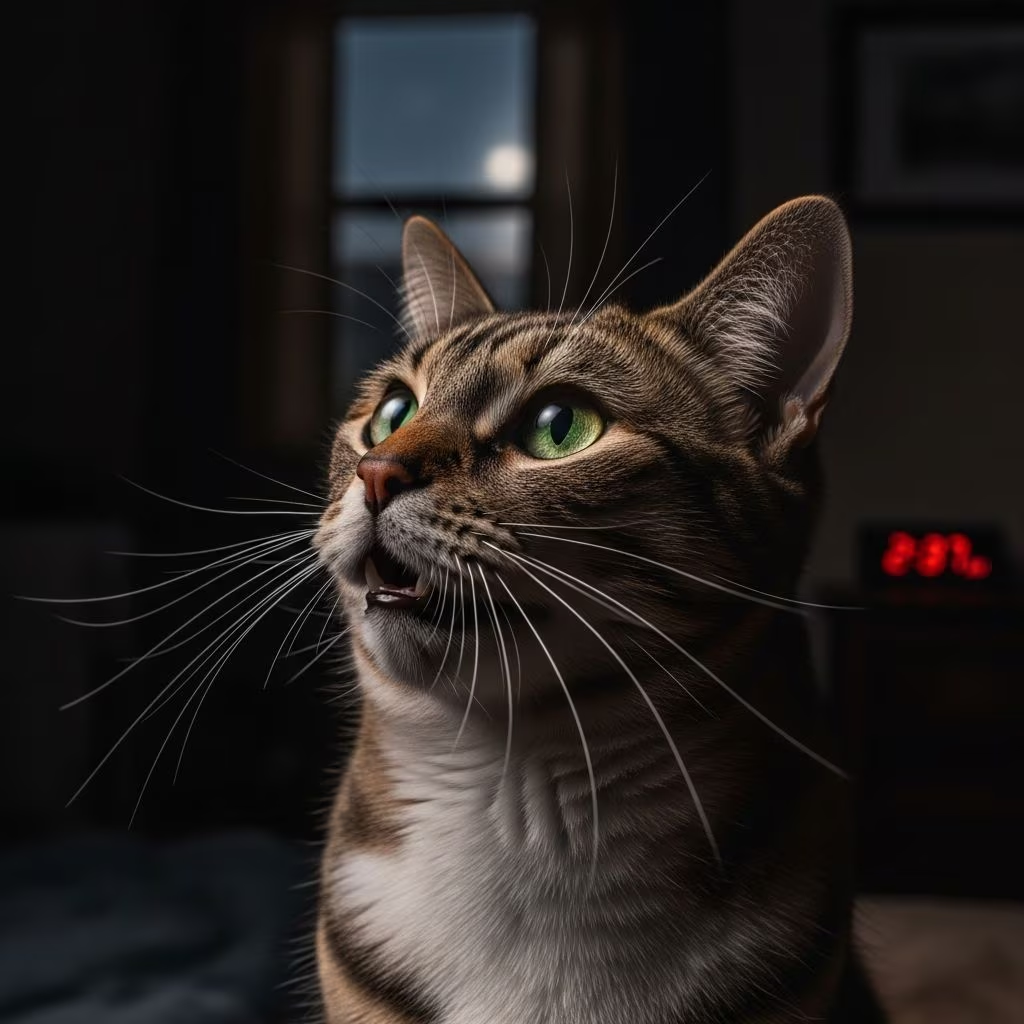
Cats are beloved companions known for their independent nature, but their nighttime meowing can turn peaceful evenings into frustrating ordeals. If you’re frequently jolted awake by your cat’s persistent vocalizations, you’re not alone. Many cat owners struggle with this issue, which disrupts sleep and strains the human-feline bond. Understanding the reasons behind why cats meow at night is the first step toward solutions. This comprehensive guide explores the primary causes—from basic needs like hunger to more complex issues like medical conditions—and provides actionable strategies to help your cat (and you) enjoy quieter nights.
Nighttime meowing often stems from a cat’s natural crepuscular (active at dawn and dusk) instincts, but modern indoor lifestyles amplify it. Factors such as insufficient daytime stimulation, unmet physiological needs, stress, or underlying health problems can trigger excessive vocalization. By addressing these root causes systematically, most cases can be resolved without drastic measures. We’ll break down the common triggers, diagnostic steps, and proven remedies, drawing from veterinary insights and behavioral expertise.
Table of Contents
- Introduction: The Sleep-Disrupting Mystery
- 7 Common Reasons Cats Meow at Night
- 1. Hunger or Thirst
- 2. Attention-Seeking and Boredom
- 3. Stress and Anxiety
- 4. Mating Instincts
- 5. Aging and Cognitive Dysfunction
- 6. Medical Issues
- 7. Territorial Behavior
- Understanding Different Nighttime Sounds
- How to Stop Cats from Meowing at Night
- Optimize Feeding Schedule
- Increase Daytime and Evening Stimulation
- Modify the Environment
- When to See a Vet
- Frequently Asked Questions (FAQs)
Introduction: The Sleep-Disrupting Mystery
The gentle purr of a contented cat is soothing, but a sudden outburst of meowing, yowling, or crying in the dead of night can shatter your rest. Cats meow primarily to communicate with humans, not other cats—kittens meow to their mothers, but adults reserve it for us. At night, this communication intensifies when their needs aren’t met during the day. According to veterinary behaviorists, nocturnal meowing peaks in indoor cats due to mismatched activity cycles with their owners’ schedules.
Recognizing the type of sound is crucial. Repetitive meows might signal routine needs, while deep yowls often indicate distress. A quick assessment table can help:
| Sound / Behavior | What It Means | Best Action |
|---|---|---|
| Repetitive Meowing | Seeking attention, food, or play | Ignore initially; use auto-feeders |
| Loud Yowling | Distress, mating, or cognitive issues | Check for pain; vet visit |
| Persistent Whining | Anxiety or territorial stress | Provide safe sleeping space |
| Low Guttural Cry | Physical pain or illness | Immediate vet triage |
7 Common Reasons Cats Meow at Night
From simple fixes to serious concerns, here are the top triggers based on expert observations.
1. Hunger or Thirst
This is among the most straightforward and prevalent causes. Cats are nibblers by nature, grazing small amounts throughout their active periods, which include nighttime. If their last meal ends too early (e.g., before 8 PM), hunger pangs strike in the wee hours, prompting insistent meows for replenishment. Thirst plays a role too—stale water or an empty bowl can trigger complaints. Indoor cats, without hunting opportunities, rely entirely on us, amplifying this issue.
Symptoms include pacing to the food bowl followed by vocal demands. Solution: Shift dinner later or use timed feeders. Always provide fresh water via fountains, as running water appeals to their instincts.
2. Attention-Seeking and Boredom
Cats are intelligent and quickly learn that meowing summons their humans, even at 3 AM. Daytime lethargy from lack of play leads to “zoomies” and vocal outbursts at night. Boredom manifests as pent-up energy; without outlets like climbing or hunting simulations, they demand interaction.
- Indoor cats are especially prone, napping 16 hours daily but bursting with energy evenings.
- Solution preview: Evening play sessions mimicking hunts tire them out.
Owners unwittingly reinforce this by responding—breaking the cycle requires consistent ignoring paired with daytime enrichment.
3. Stress and Anxiety
Cats crave routine; disruptions like moves, new pets, or schedule changes spark anxiety-fueled meowing. New cats often vocalize while acclimating to unfamiliar scents and sounds. Territorial stress from outdoor cats or household changes heightens nighttime alertness.
Signs: Hiding by day, vocalizing by night. Create safe retreats with high perches and pheromone diffusers to restore security.
4. Mating Instincts
Unspayed females in heat yowl dramatically to attract mates, while unneutered males roam and vocalize. This instinctual behavior peaks nocturnally, sounding like distress calls.
Fix: Spay/neuter promptly—it’s the most effective, health-boosting solution, preventing cancers and behaviors.
5. Aging and Cognitive Dysfunction
Senior cats (over 10 years) may suffer cognitive dysfunction syndrome (CDS), akin to dementia, causing disorientation, confusion, and nighttime vocalization. Diminished night vision exacerbates vulnerability, leading to cries for reassurance.
Vet-prescribed supplements or meds like selegiline help, alongside nightlights and consistent routines.
6. Medical Issues
Persistent meowing signals pain or illness: hyperthyroidism (weight loss, hyperactivity), hypertension, kidney disease, arthritis, dental problems.
- Hyperthyroidism: Common in seniors; blood tests confirm.
- Pain: Arthritis limits mobility, prompting cries.
Rule out medically first—a thorough exam is essential.
7. Territorial Behavior
Outdoor stimuli like stray cats trigger defensive yowling. Indoor cats patrol windowsills, voicing territory claims. Block views or use deterrents.
Understanding Different Nighttime Sounds
Meows vary: Soft chirps seek pets; harsh yowls signal pain/mating; whines indicate stress. Discern via context and duration.
How to Stop Cats from Meowing at Night
Targeted strategies yield results. Start with behavior tweaks, escalate to vet if needed.
Optimize Feeding Schedule
Delay last meal to bedtime; use auto-feeders for midnight snacks. Protein-rich treats satisfy without overfeeding.
Increase Daytime and Evening Stimulation
Play 15-30 minutes pre-bed with wands/lasers, followed by meal to reset ‘hunt-sleep’ cycle. Enrichment toys, cat trees, puzzles prevent boredom.
- Cat wheels for solo runs.
- Window perches for bird-watching.
- Interactive feeders for mental work.
Modify the Environment
Nightlights aid seniors; pheromone plug-ins calm anxiety. Separate rooms for multi-cat homes reduce conflicts. Ignore vocalizations strictly—attention rewards them.
When to See a Vet
Consult if meowing persists post-behavioral fixes, accompanies symptoms like lethargy, appetite changes, or sudden onset—especially in seniors. Bloodwork screens for thyroid/kidney issues.
Frequently Asked Questions (FAQs)
Q: Why is my new cat meowing at night?
A: Adjustment stress to new environment; provide hiding spots, play, and time (1-2 weeks typical).
Q: How do I stop attention-seeking meows?
A: Ignore completely at night; amplify daytime interaction and play.
Q: Is nighttime meowing normal for kittens?
A: Yes, due to energy and separation; routine feeding/play helps.
Q: Can supplements stop senior cat yowling?
A: Some like L-tryptophan aid anxiety/CDS, but vet approval needed.
Q: What if my cat meows only early morning?
A: Likely hunger; auto-feeder at 5 AM resolves it.
References
- Cat Meowing at Night? 6 Tips to Stop the Noise — Lady N Pet. 2023. https://ladynpet.com/us/blog/cat-meowing-at-night/
- 10 Reasons Your Cat Cries Or Meows At Night — Atlantic Vet Seattle. 2022. https://atlanticvetseattle.com/10-reasons-your-cat-cries-or-meows-at-night/
- Meowing and Yowling — ASPCA. 2024. https://www.aspca.org/pet-care/cat-care/common-cat-behavior-issues/meowing-and-yowling



