

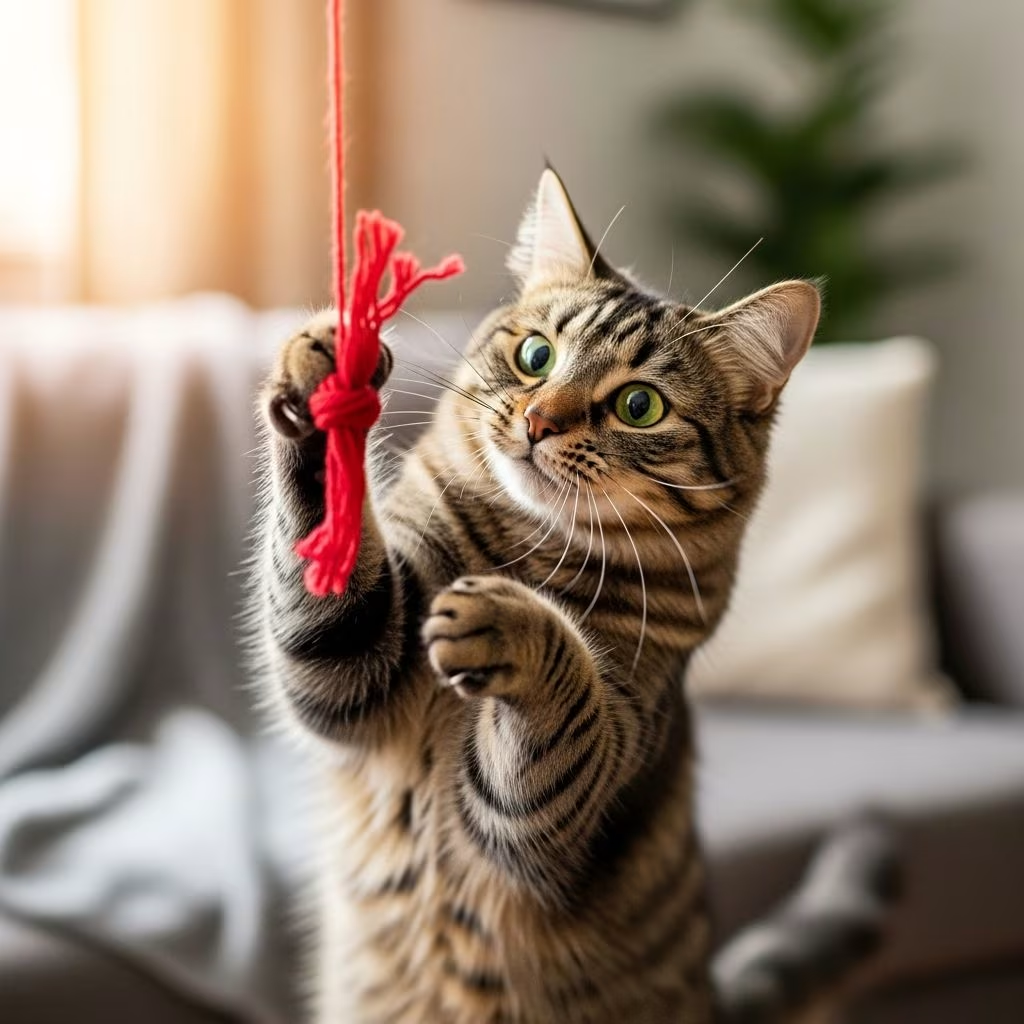
Cats’ fascination with string is one of the most universal behaviors among felines, captivating owners worldwide. Whether it’s a dangling shoelace, a ball of yarn, or a piece of twine, string seems irresistible to cats of all ages. This obsession isn’t random; it’s deeply rooted in their biology and instincts. In this comprehensive guide, we explore the five primary reasons why cats love string, backed by veterinary insights and behavioral research. Understanding these motivations not only enhances your bond with your pet but also helps you provide safer play experiences.
From mimicking prey to offering tactile satisfaction, string taps into core feline drives. We’ll delve into each reason, discuss the benefits of play, highlight potential risks, and share practical tips for supervised fun. By the end, you’ll see why string is more than just a toy—it’s a window into your cat’s wild heritage.
The 5 Possible Reasons Why Cats Love String
Cats’ love for string stems from a combination of evolutionary traits and sensory appeals. Here are the top five reasons, each explained in detail with supporting behavioral insights.
1. Hunting Instincts
Cats are obligate predators by nature, with hunting hardwired into their DNA despite domestication. A moving string perfectly simulates the erratic movements of prey like mice or birds, triggering their chase response. The lightweight, unpredictable motion as it darts across the floor or dangles from your hand mimics a small animal trying to escape.
This instinctual drive is why cats stalk, pounce, and ‘capture’ the string with such intensity. In the wild, spotting subtle movements was crucial for survival, and domestic cats retain this hyper-sensitive vision tuned to motion. A study on feline behavior notes that play mimicking hunting reduces stress and satisfies natural urges, especially for indoor cats who lack real prey opportunities.
For kittens, string play hones pouncing accuracy, agility, and coordination—essential skills for adulthood. Even adult cats benefit, as it fulfills their need to ‘hunt’ daily. Owners often report that a simple string wand revives lethargic cats, turning playtime into a thrilling hunt simulation.
2. Play
Beyond hunting, cats are inherently playful creatures that thrive on interactive entertainment. String provides an ideal play object: it’s safe to bat, chase, and wrestle without retaliation. Unlike battery-operated toys that lose appeal, string relies on your movement, making sessions dynamic and engaging.
Play with string encourages leaping, twisting, and batting, offering endless variety. Cats prefer toys they can ‘win’ against, and string’s elusiveness builds excitement until the triumphant catch. This mirrors natural play-fighting among littermates, fostering physical fitness and joy. Regular play sessions—ideally 15-20 minutes twice daily—prevent boredom and promote a healthy weight.
Pro tip: Vary your string techniques—drag it slowly to mimic stalking prey, then jerk it quickly for a chase. This keeps your cat mentally sharp and strengthens your bond through shared activity.
3. Texture
String’s smooth yet grippable texture is catnip for feline paws and mouths. Cats adore materials they can sink their claws into, shred, and chew, much like carpet fringes or upholstery. The thin, fibrous structure allows claws to latch perfectly, providing satisfying resistance without harm.
This tactile appeal extends to chewing; string’s chewability satisfies oral exploration instincts, similar to gnawing on prey hides or plants. Different strings—cotton, wool, or nylon—offer varied sensations, encouraging curiosity. Textural play stimulates sensory nerves in paws and whiskers, enriching their environmental experience.
Compare string to other textures in this table:
| Texture | Appeal to Cats | Examples |
|---|---|---|
| Smooth & Grippy | High claw engagement | String, yarn, shoelaces |
| Rough & Shreddable | Chewing satisfaction | Cardboard, sisal rope |
| Slippery | Low interest | Plastic bags, hard balls |
String tops the list for its perfect balance of grip and give.
4. Physical and Mental Stimulation
In today’s indoor-centric lifestyles, cats need outlets for energy and intellect. String play delivers both: physically, it burns calories through sprints and jumps; mentally, it challenges problem-solving as cats anticipate movements.
Lack of stimulation leads to obesity, anxiety, and destructive behaviors like scratching furniture. Interactive string games combat this, improving agility, reaction time, and cognitive health. One survey linked regular owner-led play to fewer behavioral issues, proving its therapeutic value.
- Physical benefits: Builds muscle, enhances cardiovascular health, prevents weight gain.
- Mental benefits: Reduces boredom, sharpens senses, lowers stress hormones.
- Best for: Indoor cats, seniors, and high-energy breeds like Bengals.
Incorporate string into daily routines for a happier, healthier cat.
5. Similarity to a Tail
String’s slender, flexible form strikingly resembles a prey animal’s tail—the last visible part as it flees into hiding. Cats instinctively grab tails during hunts, and string evokes this with its disappearing act around corners or under furniture.
Kittens often chase their own or siblings’ tails to practice hunting, outgrowing it as adults. However, a tail-like string reignites this fun, offering a safe proxy. This resemblance explains why cats fixate on dragging strings, mimicking trophy-carrying post-hunt.
Is It Safe for Cats to Play with String?
While string delights cats, unsupervised play poses risks. Swallowing pieces can cause intestinal blockages, a serious condition requiring surgery. Linear foreign bodies like string bunch up in the gut, leading to obstruction.
Symptoms include vomiting, lethargy, and appetite loss—seek vet care immediately if suspected. Never leave string accessible; use wand toys with detachable strings instead. Opt for pet-safe materials without dyes or loose ends.
- Safe alternatives: Feather wands, laser pointers (avoid frustration), crinkle balls.
- Supervision rules: Always watch play; remove string post-session.
- For kittens: Extra caution, as they explore orally.
Enhancing Playtime: Tips for Cat Owners
Maximize string play safely:
- Choose durable, non-fray strings attached to wands.
- Play in short bursts to avoid exhaustion.
- Rotate toys to maintain interest.
- End sessions by ‘defeating’ the string to satisfy hunt completion.
- Combine with treats for positive reinforcement.
These strategies ensure fun without risks, tailored to your cat’s age and energy.
Frequently Asked Questions (FAQs)
What if my cat eats string?
Monitor for vomiting or distress; contact a vet promptly. X-rays may be needed.
Why do some cats ignore string?
Age, health, or overstimulation—try gentler movements.
Is yarn safer than string?
No, yarn frays easily; stick to supervised wand toys.
How often should I play with string?
15-20 minutes, 2-3 times daily for optimal health.
Can string play help anxious cats?
Yes, it reduces stress via endorphin release from ‘hunting’.
Final Thoughts
Cats love string because it ignites their primal instincts, delights their senses, and fuels joyful play. From hunting simulations to textural bliss, it’s a multifaceted favorite. Supervise closely to avoid dangers, and embrace string as a tool for a thriving feline life. Your cat’s pounces aren’t just cute—they’re echoes of ancient predators.
References
- Why Do Cats Like String? — Jill’s Next Door. 2023-05-15. https://www.jillsnextdoor.com/why-do-cats-like-string/
- Why Do Cats Love String? — Cats.com. 2024-02-10. https://cats.com/why-do-cats-love-string
- Why Do Cats Love String? 5 Vet-Reviewed Reasons — Catster (Veterinary Partner Reviewed). 2024-08-22. https://www.catster.com/cat-behavior/why-do-cats-love-string/
- Why Do Cats Like To Play With String So Much? — Rover.com. 2023-11-03. https://www.rover.com/blog/why-do-cats-like-string/
- Behavior Challenges: Overexcited and Energetic Cats — San Diego Humane Society (.org). 2025-01-05. https://sdhumane.org/resources/behavior-challenges-overexcited-and-energetic-cats/



