

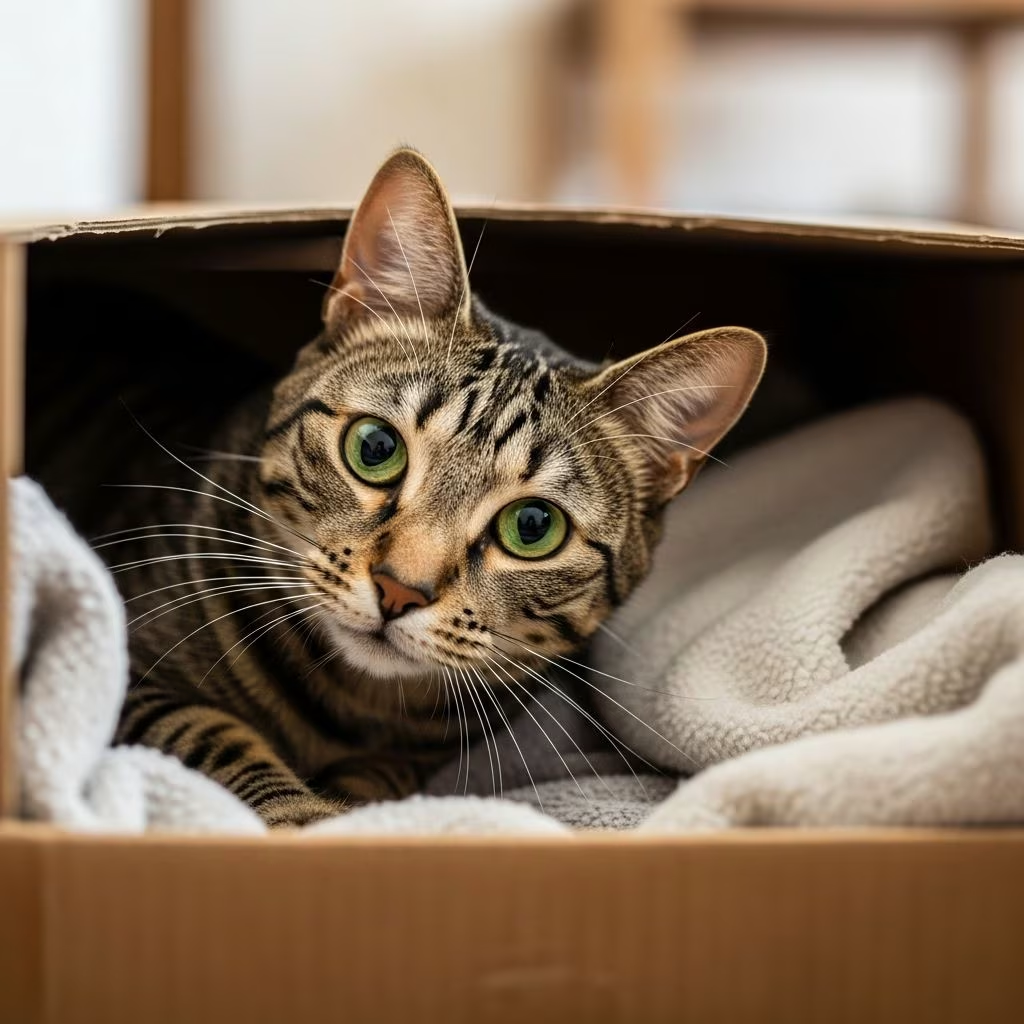
Why Do Cats Love Small Spaces: Behavior and Pet Facts
If you’ve ever wondered why your cat gravitates toward boxes, closets, and other confined spaces, you’re not alone. This quirky behavior is one of the most endearing and perplexing habits of domestic felines. Far from being random or strange, a cat’s affinity for small spaces is deeply rooted in their evolutionary history, psychological needs, and survival instincts. Understanding this behavior helps pet owners better appreciate their feline companions and create environments that support their well-being. In this comprehensive guide, we’ll explore the science behind why cats love small spaces and how you can leverage this behavior to enhance your cat’s quality of life.
The Instinctual Appeal of Enclosed Spaces
Cats are natural hunters descended from wild ancestors who relied on stealth, camouflage, and strategic positioning to survive. In the wild, small, enclosed spaces such as burrows, dense vegetation, and rocky crevices provided essential refuge and hunting advantages. These confined areas allowed wild cats to stalk and ambush prey while remaining concealed from larger predators. This instinctual behavior has been passed down through generations and remains deeply embedded in the DNA of domestic cats today.
When your indoor cat seeks out a cardboard box, a closet, or the space under a bed, they’re tapping into millions of years of evolutionary programming. Small spaces mimic the natural dens and burrows that their ancestors occupied, triggering a sense of familiarity and comfort. This instinctual attraction to enclosed spaces isn’t a sign of anxiety or fear; rather, it’s a manifestation of their predatory nature and innate survival mechanisms. By respecting and accommodating this behavior, you’re helping your cat express their natural instincts in a safe, domestic environment.
Stress Reduction and Psychological Safety
One of the most significant reasons cats love small spaces is the stress-relief they provide. Research indicates that cats with access to hiding spaces, like boxes, exhibit lower stress levels compared to those without such refuges. In today’s busy households filled with noise, activity, and constant stimulation, cats need sanctuaries where they can retreat and decompress.
For cats, especially those in new or stressful environments, boxes can be a critical tool for coping and adapting. The confined space creates a sense of psychological safety by reducing their exposure to potential threats. When a cat is inside a box, they have limited entry points to monitor, making them feel more secure and in control. This reduced vigilance requirement allows their nervous system to relax, lowering cortisol levels and promoting overall wellness.
Studies conducted in shelter environments have demonstrated the powerful effect of providing boxes and hiding spots. Shelters that introduced boxes for cats saw remarkable improvements in feline welfare, including reduced stress indicators such as excessive vocalization, aggression, and lethargy. This evidence supports the therapeutic value of small spaces for cats across various living situations.
The Comfort and Security of a Safe Haven
Beyond their hunting instincts, cats seek boxes and confined spaces for the comfort and security they inherently provide. In a busy household with multiple family members, pets, or children, a box serves as a private retreat where a cat can relax and observe its surroundings without feeling exposed or vulnerable. This sense of security is especially important for cats, as they are both predators and prey in the wild.
A box offers a safe haven where a cat can feel protected and at ease. When cats enter a confined space, they experience a reduction in external stimuli, which allows them to focus on their immediate environment. This controlled sensory input creates a calming effect that can last for hours after they exit the space. For anxious or shy cats, having access to small spaces can be the difference between a stressed, hiding feline and a confident, sociable companion.
Temperature Regulation: The Thermal Comfort of Boxes
Cats are heat-seeking creatures with a higher body temperature than humans, ranging from 100 to 102.5 degrees Fahrenheit. They are naturally drawn to warm and cozy spots for relaxation and rest. A box, with its enclosed space and insulating properties, provides an ideal environment for a cat to conserve body heat and feel snug and content.
The cardboard material of boxes acts as a natural insulator, trapping the cat’s body heat and creating a warm microclimate. This preference for warmth and comfort is deeply ingrained behavior rooted in the cat’s evolutionary history as a desert-dwelling species. In cooler months or air-conditioned homes, a cozy box becomes even more appealing. You’ll often find your cat spending extended periods in boxes during winter or in climate-controlled environments where maintaining body temperature requires additional energy.
The Influence of Scent and Territory Marking
Cats are highly territorial animals, and they use scent marking as a primary method to establish and maintain their territory. When a cat enters a box, it leaves its scent behind through glands located on their face, body, and paws, effectively claiming the box as their own territory. This behavior serves multiple purposes in a cat’s social and psychological framework.
Territory marking through scent provides cats with a sense of ownership and control over their environment. When a cat rubs their face or body against a box or curls up inside it, they’re not only creating a familiar, secure space within their territory but also communicating ownership to other cats in the household. This chemical communication system is far more sophisticated than visual markers and allows cats to establish boundaries and reduce potential conflicts without physical confrontation.
Instinctual Needs Met Through Confinement
The box’s confined space might also mimic the snugness of a burrow or a den, offering psychological comfort that dates back to kittenhood. The sensation of being enclosed can trigger a sense of warmth and security, akin to the feeling kittens have when nestled with their mother and siblings. This sensory experience activates the parasympathetic nervous system, which promotes relaxation and reduces stress responses.
For adult cats, this comfort derives partly from early socialization and partly from instinctual memories encoded in their neurobiology. Kittens that experience safe, enclosed spaces during their developmental period are more likely to seek out similar environments throughout their lives. Even cats who didn’t have ideal early experiences often instinctively understand the security that confined spaces provide, suggesting these behaviors are hardwired into feline neuroanatomy.
The Role of Environmental Enrichment and Stimulation
While the appeal of boxes for cats is rooted in their instinctual behaviors and primal survival instincts, there is also a significant psychological aspect to their fascination with these confined spaces. Boxes provide cats with a form of environmental enrichment, offering them a novel and stimulating environment to explore and interact with. This enrichment is essential for a cat’s mental and emotional well-being, as it provides opportunities for play, exploration, and mental stimulation.
Integrating boxes into playtime can significantly enhance a cat’s physical activity level and mental engagement. By mimicking the elements of hunting and exploration, boxes encourage natural behaviors, keeping cats both physically fit and mentally sharp. Interactive play involving boxes—such as games where cats pounce on toys emerging from boxes or navigate box mazes—provides cognitive stimulation that prevents boredom and associated behavioral problems.
Implementing Boxes for Environmental Enrichment
Creating a cat-friendly environment that respects their love for boxes involves more than just leaving a few boxes around. It requires thoughtful planning, strategic placement, variation, and observation of your cat’s individual preferences. Here are key strategies for maximizing the benefits of boxes and small spaces in your home:
Strategic Placement
Placing boxes in quiet, low-traffic areas makes them more appealing to cats, providing a sanctuary where they can relax undisturbed. Similarly, placing boxes near windows can offer cats a comfortable spot to observe the outside world, combining the comfort of confinement with the stimulation of visual exploration. Consider creating a box sanctuary in a bedroom corner, quiet closet, or under-utilized furniture space. The key is ensuring your cat can access these spaces without feeling trapped or cornered.
Vertical Integration and Small Space Living
In small apartments or compact homes, maximizing vertical space becomes non-negotiable for cat happiness. Cats are natural climbers, and they can take advantage of vertical space effectively. By adding cat trees, wall-mounted shelves, and elevated perches alongside boxes, you create a three-dimensional environment that allows your cat to feel secure and mentally stimulated despite limited horizontal square footage.
The combination of small horizontal spaces (boxes) and vertical space (cat trees and shelves) creates an enriched environment where cats can climb, hide, observe, and rest in multiple locations throughout their home. This variety prevents boredom and provides options for different emotional states and activities throughout the day.
Meeting Mental Needs in Confined Spaces
Besides the environment, your cat needs more mental stimulation than many owners realize, or they may develop unwanted behaviors. Use interactive wand toys to encourage cats to climb up and down cat trees, jump between boxes, or navigate around furniture. To make play more interesting, you can temporarily alter the environment by tossing pillows or boxes on the ground to create a more engaging hunt scenario.
Creating the Ideal Small Space Environment for Cats
Cats can thrive in small spaces when their environment is properly designed and enriched. The key is understanding that while cats may need less horizontal space than larger animals, their psychological needs remain constant. Here’s what successful small-space cat living requires:
- Multiple vertical levels for climbing and perching
- Several hiding spots and enclosed spaces distributed throughout the home
- Window perches for visual stimulation and bird watching
- Regular interactive play sessions to encourage movement and mental engagement
- Resource distribution: litter boxes, food bowls, and water in separate locations
- Scratching posts for territorial marking and physical exercise
- Rotating toys and environmental changes to maintain novelty and interest
Multi-Cat Households and Space Considerations
Having multiple cats, even if you have 20 square feet per cat, is more challenging in confined spaces. Cats that are more territorial will feel threatened by the presence of other cats, and there will be limited space for competing cats to remain separate from each other. It will require substantial environmental enrichment to keep all cats happy. Strategic placement of multiple boxes, vertical spaces, and resources in different areas helps reduce territorial conflicts and allows each cat to establish their own safe zones.
Frequently Asked Questions About Cats and Small Spaces
Q: Is it cruel to keep a cat in a small apartment?
A: No, cats can be happy in small apartments when their environment is properly enriched with vertical space, boxes, toys, and mental stimulation. The key is creating a stimulating, multi-dimensional space rather than providing vast horizontal space.
Q: How many boxes should I provide for my cat?
A: Provide multiple boxes (at least 2-3) placed in different locations throughout your home. Each box serves different purposes and allows your cat options based on their current needs and moods.
Q: Why does my cat prefer boxes to expensive cat furniture?
A: Boxes appeal to cats’ instinctual behaviors, provide novelty, and offer the specific type of enclosed security that expensive furniture may not replicate. The simplicity and accessibility of boxes make them naturally attractive to felines.
Q: Can I leave boxes out all the time, or should I rotate them?
A: While permanent boxes provide constant security, rotating boxes periodically introduces novelty and maintains mental stimulation. A combination approach—keeping some permanent favorites while introducing new boxes occasionally—works best.
Q: Does my stressed cat need boxes more than my relaxed cat?
A: Yes, anxious and stressed cats particularly benefit from boxes and hiding spaces. However, all cats benefit from having access to enclosed spaces as part of normal behavioral expression and environmental control.
Q: What type of boxes are best for cats?
A: Cardboard boxes work wonderfully, but you can also use plastic storage bins with entrance holes, paper bags, or commercial cat caves. Different textures and sizes provide variety and appeal to different preferences.
References
- Cats in Boxes: Exploring the Science Behind the Obsession — Nutram. Accessed November 28, 2025. https://nutram.com/article/cats_in_boxes_exploring_the_science_behind_the_obsession
- Why Do Cats Like Boxes: The Fascinating Science Behind Feline Behavior — PetLibro. Accessed November 28, 2025. https://petlibro.com/blogs/all/why-do-cats-like-boxes-the-fascinating-science-behind-feline-behavior
- Why Cats Love Heights: The Psychology and Nature of Vertical Behavior — RSHPETS. 2020. https://rshpets.com/en-ca/blogs/cat-training-behavior/why-cats-love-heights-the-psychology-and-nature-of-vertical-behavior
- Living With Cats In Small Spaces — ClassActCats. Accessed November 28, 2025. https://classactcats.com/blog/living-with-cats-in-small-spaces/



