

Why Do Cats Love Boxes? Is This Normal?
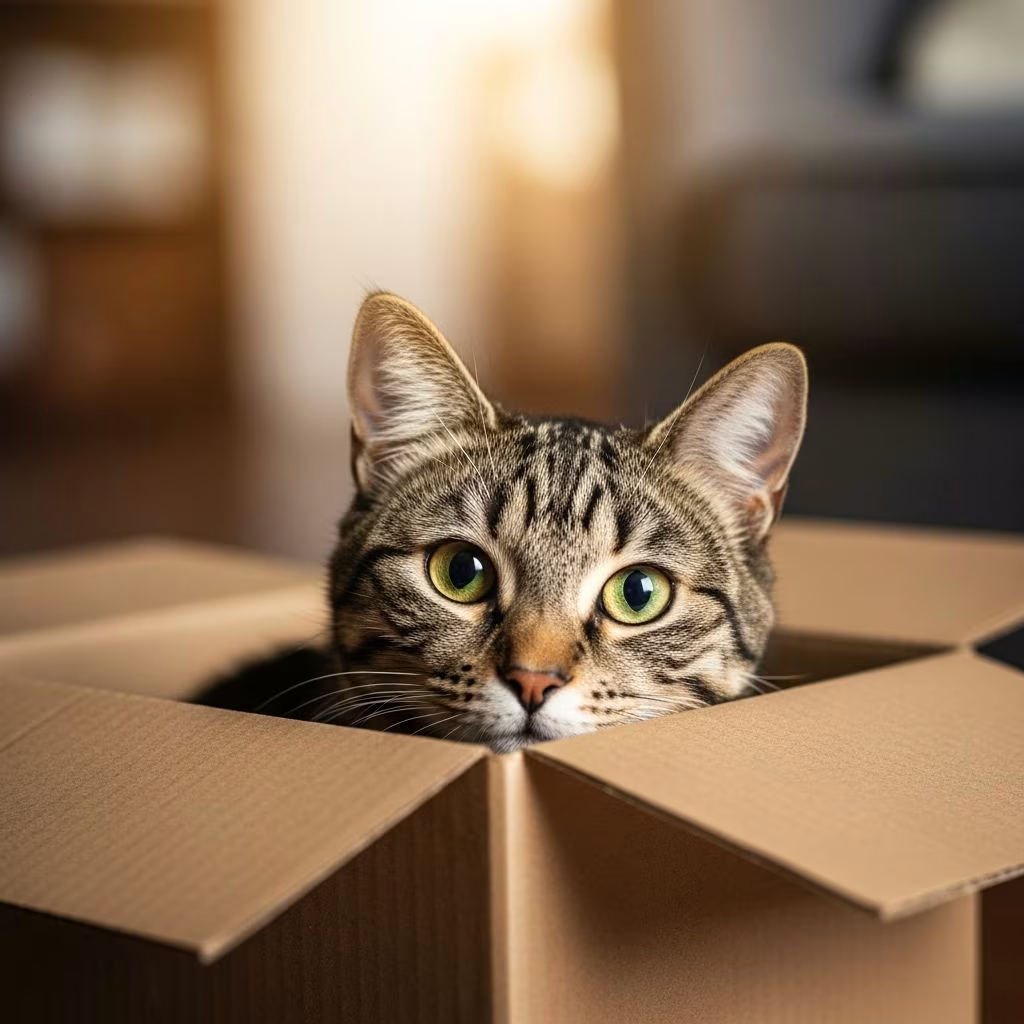
If you’ve ever received a package and set an empty cardboard box on your floor, you’ve probably witnessed one of the most iconic feline behaviors: your cat immediately jumps into it. Whether the box is large, medium, or barely fits their body, cats seem irresistibly drawn to these simple cardboard containers. You might wonder if this behavior is normal or if something is wrong with your pet. Rest assured, this is one of the most common and delightful cat behaviors you’ll encounter as a pet owner.
Cats and boxes are practically synonymous in popular culture, and for good reason. This behavior is deeply ingrained in feline nature and serves multiple important purposes. Understanding why your cat loves boxes not only explains their quirky behavior but also helps you create a more enriching environment for your beloved companion. In this comprehensive guide, we’ll explore the fascinating reasons behind your cat’s box obsession and why this behavior is completely normal.
Reasons Why Cats Love Boxes
The relationship between cats and boxes is multifaceted, encompassing several behavioral and physiological reasons. Let’s dive into each of these compelling motivations:
Safety and Security
One of the primary reasons cats gravitate toward cardboard boxes is the sense of safety and security they provide. When your cat sits or lounges in a box, observing their surroundings quietly, they’re experiencing a significant psychological benefit. According to veterinary experts, cardboard boxes allow cats to observe their environment without feeling exposed or vulnerable. This feeling of enclosure creates a protective barrier between your cat and the outside world.
When you introduce a new cat to your home, a cardboard box becomes invaluable. Your new feline friend can retreat into the box when feeling overwhelmed or anxious in an unfamiliar environment. This safe hiding spot helps reduce stress during the adjustment period and allows your cat to acclimate to their new surroundings at their own pace. The enclosed space provides psychological comfort that helps your cat feel more in control of their situation.
While cardboard boxes are excellent for providing security, they aren’t the only spaces where cats feel safe. Cats also appreciate high-up perches such as cat trees, shelves, and surprisingly, the tops of refrigerators or kitchen cabinets. These elevated positions give cats a vantage point where they can observe without being observed, combining safety with surveillance—a winning combination for feline peace of mind.
Warmth and Comfort
Another compelling reason cats curl up in boxes relates to temperature regulation. Cats have a higher average body temperature than humans, ranging between 100.5 and 102.5 degrees Fahrenheit. Because of this natural warmth requirement, cats actively seek out environments that help them maintain this elevated body temperature. Cardboard boxes serve as excellent insulators, trapping warm air and keeping cats cozy in cooler or cold environments.
The physics of a cardboard box works in your cat’s favor. When your cat nestles into a box, the enclosed space reflects their own body heat back to them, creating a warm microclimate. This is particularly important during colder months or in homes with air conditioning. Beyond cardboard boxes, cats also appreciate other warm spots including sunny windowsills where natural light warms their fur, and cozy beds designed specifically for feline comfort. By understanding this preference, you can strategically place boxes and warm bedding throughout your home to provide your cat with optimal comfort.
Entertainment and Enrichment
Place a cardboard box on the floor, and you might be amazed at how quickly your cat transforms into a ball of activity—jumping, pouncing, sniffing, and exploring. Cats are naturally curious creatures, and a new cardboard box activates multiple instincts simultaneously. The enclosed environment of a box triggers your cat’s natural hunting behavior, curiosity, and inherent need for a safe hiding spot. All of these instincts combine to create an irresistible toy.
What makes boxes such effective entertainment is their versatility. Cats can hide inside them, pounce on them, claw at them, and even peek out from the sides. The novelty of a new box provides hours of engagement. For additional enrichment, you can hide treats inside the box or place packing materials for your cat to dig through. This transforms a simple cardboard box into an interactive puzzle that stimulates your cat’s mind and body, providing mental enrichment that’s crucial for indoor cats’ wellbeing.
Texture Preferences
Sometimes, the appeal of a cardboard box comes down to something simple: cats like the texture. The rough, scratchy surface of cardboard provides an ideal surface for your cat to scratch on, which helps them maintain their claws and mark their territory through scent glands in their paws. This scratching behavior is instinctual and essential for your cat’s physical and psychological health.
Cats are generally big on texture, and their preferences are quite diverse. Beyond cardboard, cats are often attracted to soft fabrics such as blankets and sweaters, natural textures like grass, and rough surfaces including tree bark. Understanding your cat’s texture preferences allows you to provide appropriate surfaces for scratching and exploration. Providing varied textures throughout your home ensures your cat has multiple outlets for their natural behaviors and keeps them mentally stimulated.
Why Do Cats Like Small Spaces?
Cats have an endearing philosophy that can be summarized in a single phrase: “if I fits, I sits.” This mentality extends beyond just cardboard boxes. Cats are attracted to squeezing themselves into tiny spaces, whether it’s a small cardboard box, shelf, storage container, or other confined areas. This behavior stems from the same motivations that draw them to boxes, but small spaces hold special appeal for feline psychology.
The primary reason cats love small spaces is the security factor. Squeezing into a tight space makes cats feel secure and protected from potential threats. In a confined space, there are fewer angles from which danger could approach, and your cat has better control over their environment. Additionally, small spaces are excellent for conserving body heat. When your cat curls up in a tight space, their body heat is concentrated, allowing them to stay warm with minimal energy expenditure.
If you find cardboard boxes scattered throughout your home unsightly, there’s a practical alternative. Consider offering your cat a small covered bed to squeeze into. Many covered cat beds are designed specifically for cats that enjoy tight spaces, providing similar comfort and security without the cardboard clutter. These beds come in various styles and materials, allowing you to choose options that complement your home’s décor while still satisfying your cat’s spatial preferences.
My Cat Doesn’t Like Boxes—Is That Normal?
While the vast majority of cats enjoy boxes, it’s important to recognize that every cat has unique preferences and personality traits. If you notice your cat isn’t particularly interested in cardboard boxes, this is also completely normal. Just as humans have different tastes and preferences, cats vary in their attraction to boxes. Some cats may find a cardboard box interesting and entertaining, while others are less enthusiastic or may even view the box as intimidating.
Individual differences in personality, past experiences, and sensory preferences all influence whether a cat enjoys boxes. A cat that had a negative experience with a box—such as being startled or trapped—might develop an aversion to boxes. Similarly, some cats may simply prefer other types of enrichment or hiding spaces. If your cat doesn’t like boxes, don’t worry. Provide alternative enrichment options such as cat trees, window perches, tunnels, or other toys that align with your individual cat’s preferences.
Creating the Perfect Box Environment
If your cat loves boxes, you can enhance this natural behavior by creating the perfect box environment in your home. Here are some tips for making boxes more appealing to your feline companion:
- Provide multiple boxes: Different sizes and shapes keep things interesting and give your cat options
- Place boxes strategically: Position boxes in quiet areas where your cat can relax undisturbed
- Add comfort items: Place soft blankets or beds inside boxes to enhance comfort
- Create interactive boxes: Cut holes in the sides of boxes for peeking and playing
- Hide treats: Hide treats or toys inside boxes to encourage exploration
- Use packing materials: Fill boxes with crinkly packing paper for added texture and sound stimulation
- Rotate boxes regularly: Refresh the environment by introducing new boxes to maintain novelty
The Science Behind the Behavior
Understanding the science behind why cats love boxes helps deepen your appreciation for this behavior. From an evolutionary perspective, cats are descendants of wild ancestors who sought enclosed spaces for protection and hunting advantages. In the wild, hiding in confined spaces provided tactical advantages during hunts and protection from larger predators. These instincts remain deeply embedded in your domestic cat’s DNA, even though they live in a safe home environment.
Behavioral research has shown that environmental enrichment, including boxes and other hiding spaces, significantly reduces stress in cats. When cats have access to boxes and other hiding spots, they exhibit lower cortisol levels (the stress hormone) and display fewer behavioral problems. This scientific evidence underscores the importance of providing boxes and similar spaces for your cat’s psychological wellbeing.
Frequently Asked Questions
Q: Is it normal for my cat to spend hours in a box?
A: Yes, it’s completely normal for cats to spend extended periods in boxes. Boxes provide comfort, security, and entertainment. As long as your cat is eating, drinking, and using the litter box normally, there’s no cause for concern about excessive box time.
Q: Why does my cat attack the box instead of sitting in it?
A: When cats pounce on and attack boxes, they’re engaging their natural hunting instincts. This playful aggression is a healthy way for cats to exercise and express their predatory behaviors. Providing sturdy boxes for this type of play is encouraged.
Q: Can I use boxes as a permanent part of my home décor?
A: While cardboard boxes work as temporary enrichment, they do deteriorate over time. For a more permanent solution, consider cat furniture designed to resemble boxes or covered cat beds that provide similar benefits while looking more polished in your home.
Q: What should I do if my cat is afraid of boxes?
A: If your cat seems afraid of boxes, don’t force interaction. Instead, leave boxes open and accessible without pressure. Some cats may warm up to them over time, while others may simply prefer alternative enrichment like cat trees or tunnels.
Q: Are certain types of boxes better than others?
A: Sturdy cardboard boxes work best, as flimsy boxes may collapse during play. Avoid boxes that previously contained hazardous materials. Boxes that are appropriately sized for your cat—snug but not cramped—tend to be most appealing.
Q: How often should I replace boxes for my cat?
A: Replace boxes when they become damaged, torn, or soiled. Many cats enjoy the novelty of fresh boxes, so rotating new boxes into the environment every few weeks maintains interest and engagement.
References
- Why Do Cats Love Boxes? Is This Normal? — Chewy. 2024. https://www.chewy.com/education/cat/training-and-behavior/behavior-pet-facts-why-do-cats-like-boxes
- 15 Weird Cat Behaviors (And What They Mean) — Chewy. 2024. https://www.chewy.com/education/cat/training-and-behavior/11-strange-cat-behaviors-and-what-they-mean
- How To Play With Your Cat — Chewy. 2024. https://www.chewy.com/education/cat/training-and-behavior/playing-with-cats
- How to Read Your Cat’s 7 Different Moods — Chewy. 2024. https://www.chewy.com/education/cat/training-and-behavior/behavior-pet-body-language-how-to-read-your-cats-7-different-moods



