

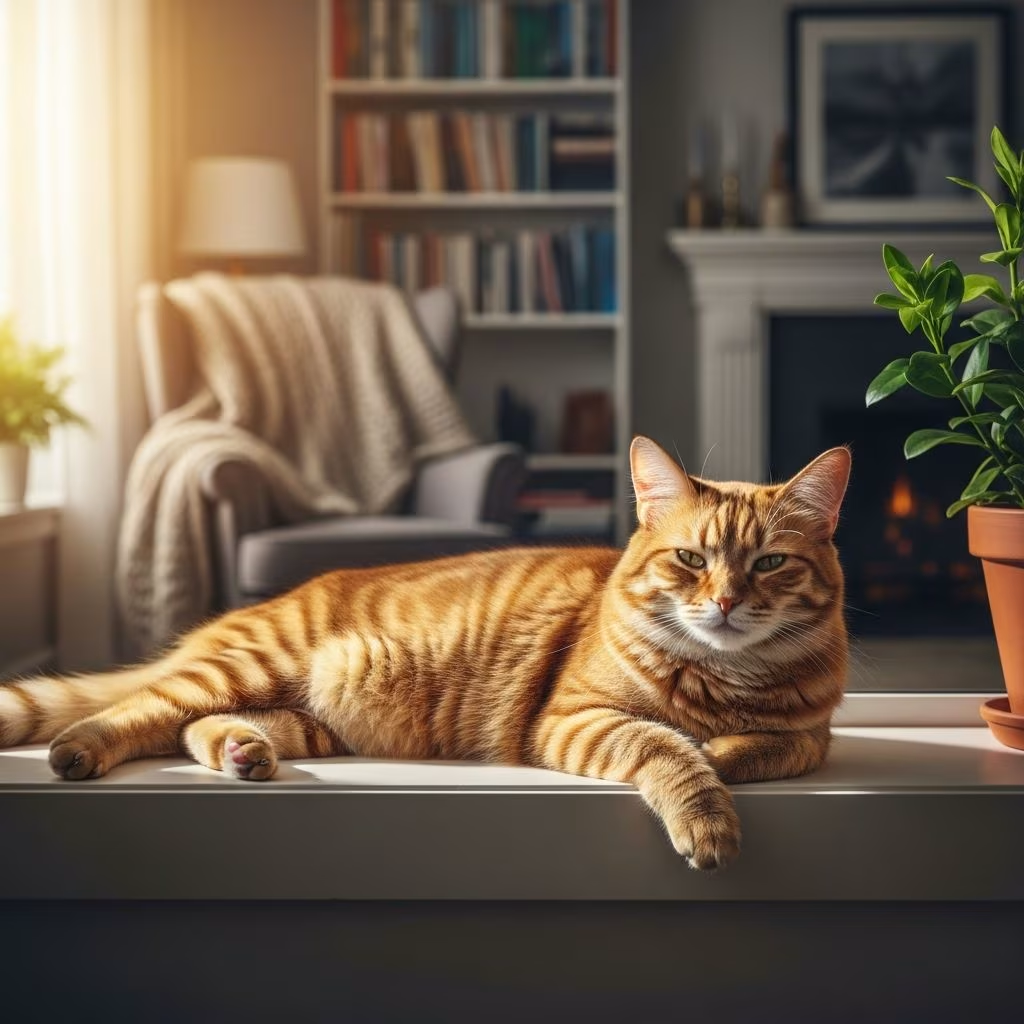
Why Do Cats Loaf? Understanding This Adorable Feline Behavior
If you’ve spent any amount of time around cats, you’ve likely witnessed one of the most endearing and amusing positions they adopt: the cat loaf. This distinctive sitting posture, where your feline friend tucks all four paws underneath their body while sitting on their stomach, creates a plump, bread-like silhouette that has earned it the affectionate nickname “cat loaf.” But beyond the cuteness factor, cat loafing is a fascinating behavior that reveals much about your pet’s emotional and physical state. Understanding why your cat assumes this position can help you better interpret their body language and ensure they’re happy and healthy.
What Exactly Is a Cat Loaf?
The cat loaf is a specific sitting position characterized by several distinct features. Your cat lies on their stomach with their front legs and paws tucked neatly underneath their chest. The back legs are also folded securely beneath their body, and typically, the tail is curled around their side in a neat package. The result is a compact, rounded shape that bears a striking resemblance to a loaf of bread fresh from the oven. This position is instantly recognizable to cat lovers everywhere and has become a beloved term in cat enthusiast communities.
The loaf position stands in stark contrast to other common cat resting postures, such as sprawling out completely on their side, stretching their legs out in front of them, or curling into a tight ball. Each of these positions serves different purposes and can indicate different emotional or physical states. The loaf, however, occupies a special place in cat body language, combining elements of relaxation with subtle defensive characteristics.
Primary Reasons Why Cats Loaf
1. Comfort and Relaxation
The most common reason cats assume the loaf position is simple: it’s comfortable. Cats are renowned connoisseurs of comfort, and they have an uncanny ability to position themselves in ways that feel good and relieve pressure from certain body parts. When your cat loafs, they’re essentially creating a relaxed resting posture that distributes their weight evenly and takes the strain off their legs and paws.
According to feline behavior experts, when a cat is loafing in their favorite spot—whether that’s on the couch, a sunny windowsill, or their favorite cat bed—they’re likely experiencing contentment and ease. The position allows them to rest while maintaining an alert, upright head position, striking the perfect balance between relaxation and awareness. If your cat is purring or slowly blinking while loafing, these are additional signs that they’re experiencing genuine happiness and comfort.
2. Thermoregulation and Heat Conservation
Another significant reason cats loaf relates to basic physics and biology. Cats have a higher body temperature than humans, typically ranging from 99 to 102.5 degrees Fahrenheit, and they actively work to maintain this warmth. When cats tuck their paws and tail underneath their body, they’re minimizing the surface area exposed to the surrounding air, creating a more efficient heat-retention system.
This is particularly important because cats’ feet and lower legs have minimal fat covering, meaning these areas lose heat faster than the rest of their body. By tucking these vulnerable extremities underneath themselves, cats protect these heat-sensitive areas from cold air exposure. You’ll often notice your cat loafing more frequently during cooler months or when the air conditioning is running. Similarly, you might find your cat loafing on sunny windowsills or near warm spots in your home, combining the heat-conserving benefits of the loaf position with external warmth sources for maximum comfort.
3. A Sense of Security and Safety
The loaf position also serves an important psychological function. When cats loaf, they’re demonstrating trust in their environment and in you as their owner. By tucking their paws and vital organs away, they’re showing that they feel secure enough not to maintain a defensive posture. Cats that feel threatened or anxious typically remain in more alert positions with their paws ready to propel them away from danger at a moment’s notice.
The loaf position indicates that your cat has decided their surroundings are safe enough to relax their guard. This is why you’ll often see cats loafing when they’re sitting near you, watching the world go by from a window, or resting in their favorite cozy bed. The position itself communicates to other cats and humans that your feline friend is in a content, trusting state of mind.
4. Protection and Defensive Posturing
Interestingly, while the loaf position often indicates relaxation, it can also serve a protective function when cats feel threatened or uncertain. When a cat feels threatened, they may assume the loaf position to protect their vital organs, particularly their sensitive belly. This vulnerable area is often targeted by predators, and by keeping their limbs tucked closely against their body, cats shield this sensitive region.
This dual-purpose nature of the loaf position is particularly evident when you visit the veterinary clinic. You’ll frequently see cats loafing on examination tables or in waiting areas, not necessarily because they’re relaxed and comfortable, but because they feel out of their element and are adopting a defensive posture. The position allows them to protect their vital organs while still maintaining an upright head position that lets them monitor their surroundings. This defensive loafing, combined with other signs of stress like dilated pupils or flattened ears, indicates your cat is uncomfortable but attempting to cope with their anxiety.
When Loafing May Indicate Health Concerns
While most cat loafing is perfectly normal and benign, there are instances when this behavior may signal underlying health issues. Pet parents should be aware of certain variations and contexts that might warrant veterinary attention.
Pain and Illness
Cats may loaf when they’re experiencing pain or illness because the position helps alleviate discomfort. Loafing can reduce stress on the back, help manage abdominal pain, or protect an injured paw, limb, or ingrown nail. A cat with kidney disease, for example, may adopt a variation of the loaf position with their head down on the ground and front paws extended, which helps relieve abdominal pressure.
The key to distinguishing between normal, comfortable loafing and loafing due to illness is observing changes in frequency and accompanying symptoms. If your cat suddenly loafs significantly more often than usual, or if the loafing behavior is accompanied by changes in appetite, activity level, litterbox habits, vocalizations, or gait, it’s time to contact your veterinarian. These combined signs may indicate your cat is experiencing pain or discomfort that requires professional attention.
Stress and Anxiety
Beyond physical illness, cats may loaf more frequently when experiencing emotional stress or anxiety. Whether they’re adjusting to a new home, dealing with changes in their routine, or responding to environmental stressors, cats sometimes adopt the loaf position as a coping mechanism. In these situations, look for other stress indicators such as reduced appetite, excessive grooming, or behavioral changes.
The Readiness Factor: Loafing for Quick Action
One fascinating aspect of cat loafing that often surprises cat owners is that despite appearing completely relaxed, cats in the loaf position can spring into action remarkably quickly. This seemingly contradictory nature of the position is actually quite strategic. The loaf position allows cats to remain comfortable and at ease while still maintaining the ability to dash off in pursuit of a toy, respond to an interesting sound, or flee from a perceived threat.
Unlike lying completely on their side or sprawling out with their legs extended, the loaf position keeps a cat’s muscles slightly engaged and ready for rapid deployment. Their back legs are coiled beneath them like springs, and their front paws are positioned to push off quickly. This combination of comfort and readiness makes the loaf position ideal for situations where cats want to rest but also want to remain responsive to their environment.
Recognizing Different Types of Loafing
Cat behaviorists have identified several variations of the loaf position, each with slightly different meanings and implications:
- The Classic Loaf: Front paws tucked under the chest, back paws tucked underneath, head upright, tail curled around the side. This is the most common loaf and typically indicates relaxation and contentment.
- The Sphinx Loaf: A variation where the front paws are extended forward while the back paws remain tucked. This position often indicates a slightly more alert state of mind.
- The Low Loaf: The cat’s head is lowered toward the ground while the paws remain tucked. This variation can indicate either deep relaxation or, in some cases, discomfort or illness.
- The Partial Loaf: Only some paws are tucked while others remain extended. This relaxed variation suggests your cat is somewhere between loafing and stretching.
How to Tell If Your Loafing Cat Is Happy or Stressed
Learning to distinguish between happy, comfortable loafing and stress-related loafing is an important skill for cat owners. Several body language cues can help you interpret your cat’s emotional state:
Signs of Happy, Content Loafing:
- Purring or making soft vocalizations
- Slow blinking eyes (the cat equivalent of a kiss)
- Relaxed ears in a forward or neutral position
- Whiskers pointing slightly forward
- A soft, open facial expression
- Choosing to loaf near you or in favorite comfortable spots
Signs of Stress-Related Loafing:
- Dilated pupils or wide eyes
- Ears pinned back or sideways
- Tense facial muscles or whiskers pulled back
- Tail tucked tightly or thumping
- Excessive loafing combined with reduced activity
- Changes in eating, drinking, or litterbox habits
- Excessive grooming or other self-soothing behaviors
Creating the Perfect Loafing Environment
If you want to encourage your cat’s comfortable loafing behavior, creating an ideal environment makes a significant difference. Provide soft, cushioned beds or blankets in warm, quiet locations away from household chaos. Sunny windowsills, cozy cat beds, and spots near (but not directly in) heating vents are ideal loafing locations. Ensure your cat has access to their preferred resting spots and respects their space when they’re loafing, as this reinforces the sense of safety and security that makes loafing so appealing.
Frequently Asked Questions About Cat Loafing
Q: Is cat loafing always a sign of happiness?
A: While loafing most commonly indicates relaxation and contentment, it can occasionally signal stress or discomfort. Context matters—observe your cat’s other body language signals and any behavioral changes to determine whether loafing indicates happiness or a potential health concern.
Q: How often do cats loaf?
A: The frequency of loafing varies by individual cat. Some cats loaf several times daily, while others may loaf less frequently. An increase in loafing frequency, especially combined with other symptoms, may warrant veterinary attention.
Q: Can I move my loafing cat without waking them?
A: Many loafing cats are actually in a light rest state where they’re still somewhat aware of their surroundings. While some may sleep deeply, others will likely wake when moved. It’s best to let your cat loaf undisturbed, as you’re interrupting their rest and relaxation.
Q: Why does my cat loaf more in winter?
A: Cats naturally loaf more during colder months because the position helps conserve body heat. Your cat may also seek out warm spots and loaf more frequently as a result of cooler indoor temperatures.
Q: Is loafing a sign that my cat trusts me?
A: Yes, when your cat loafs near you or in spaces you share, it’s often a sign they feel safe and trust you. Cats that feel comfortable and secure in their environment and with their owners are more likely to loaf frequently.
Q: Should I be concerned if my cat never loafs?
A: Not all cats loaf, and some may prefer other resting positions. If your cat is otherwise healthy, active, and showing normal behavior, there’s no cause for concern if loafing isn’t their preferred posture.
Conclusion: Understanding Your Cat’s Loafing Habits
The cat loaf is far more than just an adorable and amusing position—it’s a window into your cat’s emotional and physical well-being. Whether your cat is loafing to stay warm, conserve energy, demonstrate contentment, or protect themselves, this behavior provides valuable insights into their state of mind. By understanding the various reasons behind loafing and learning to recognize the subtle body language cues that accompany it, you’ll become better equipped to care for your feline friend and respond appropriately to their needs. Most importantly, respect your cat’s loafing time as their way of finding comfort and peace in their world.
References
- Why Do Cats Loaf? Is It Normal? — Chewy. 2025. https://www.chewy.com/education/cat/training-and-behavior/why-do-cats-loaf
- Why Do Cats Loaf? — PetMD. 2025. https://www.petmd.com/cat/behavior/why-do-cats-loaf
- Why Do Cats Sit Like a Loaf? (Position & Meaning) — Cats.com. 2025. https://cats.com/why-do-cats-loaf
- The Cat Loaf: What Is It and Why Do Cats Do It? — Hill’s Pet Nutrition. 2025. https://www.hillspet.com/cat-care/behavior-appearance/what-is-a-cat-loaf
- Why Does My Cat Loaf? 4 Reasons for This Behavior — A-Z Animals. 2025. https://a-z-animals.com/blog/why-does-my-cat-loaf-reasons-for-this-behavior/
- What Is a Cat Loaf and Why Do Cats Do It? — Under the Weather Pet. 2025. https://www.undertheweatherpet.com/blogs/under-the-weather/what-is-a-cat-loaf-and-why-do-cats-do-it
- Why Do Cats Tuck Their Paws? The Cat Loaf Explained — Kinship. 2025. https://www.kinship.com/cat-behavior/why-do-cats-tuck-their-paws



