

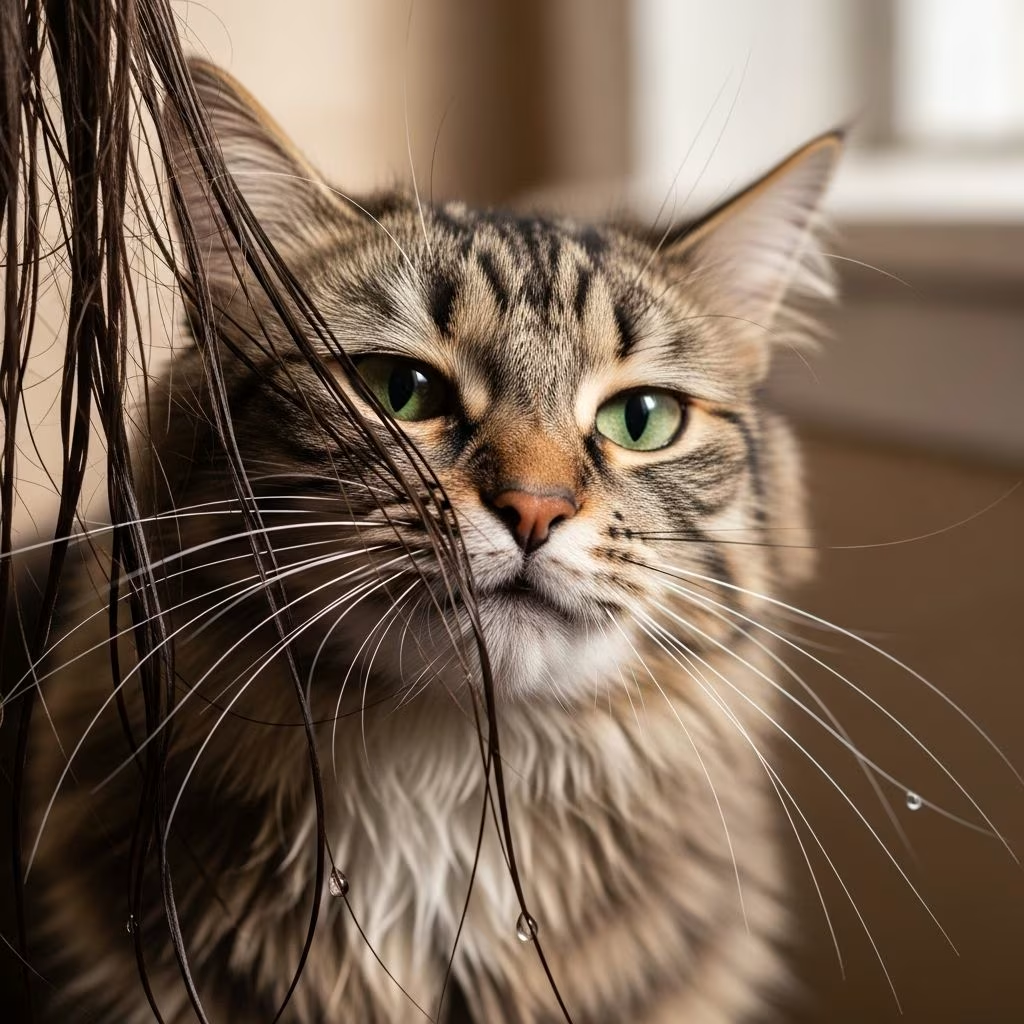
Cats often display a peculiar fascination with wet hair, frequently licking or nuzzling it after a shower. This behavior stems from their heightened senses, social instincts, and curiosity about water-enhanced scents, treating humans as part of their social group.
Why Is My Cat Obsessed With My Wet Hair?
Your cat’s obsession with wet hair is multifaceted, combining sensory appeal, instinctual grooming, and environmental triggers. When hair is damp, it amplifies natural human scents through water, which acts as a potent scent magnifier, drawing cats in due to their superior olfactory senses. Many shampoos contain ingredients like coconut oil, olive oil, or wheat protein that mimic food scents to felines, turning your post-shower head into an irresistible treat.
Beyond scent, cats view wet hair as an extension of their environment. Water fascinates many cats, and dripping strands may resemble a playful fountain or prey-like movement. Socially, this ties into allogrooming, where cats lick hard-to-reach areas on family members’ heads to bond and maintain hygiene, accepting you as a fellow cat. Dr. Jeffrey Levy notes cats may also enjoy the taste of hair products, natural secretions, or even exhibit kneading and nesting behaviors around bouncy, wet locks.
- Scent Amplification: Damp hair intensifies oils and body odors, creating a unique aroma.
- Tasty Products: Oils in shampoos smell like fatty foods to cats.
- Water Curiosity: Cats are intrigued by moisture and movement.
- Social Bonding: Mimics mutual grooming in cat colonies.
- Texture Play: Wet hair’s bounce triggers prey drive.
Is It Normal for Cats to Lick Human Hair?
Yes, licking human hair, especially when wet, is a common and generally normal cat behavior rooted in affection and instinct. In multi-cat households or feral colonies, cats engage in allogrooming primarily on heads and necks, areas they can’t self-groom effectively. By extending this to humans, your cat signals trust and inclusion in their social circle.
Veterinary experts like Dr. Jeffrey Levy confirm this as amusing but typical, often linked to taste preferences for hair products or natural scalp secretions. However, frequency matters: occasional licks indicate bonding, while excessive chewing signals potential issues like pica. Studies on feline behavior highlight grooming as a stress-reliever and affiliation signal, reinforcing that moderate hair-licking is benign.
| Normal Licking Traits | Potential Concern Signs |
|---|---|
| Gentle licking post-shower | Chewing/swallowing hair |
| Accompanied by purring/rubbing | Obsessive, ignoring food/toys |
| Targets head/scalp only | Weight loss or lethargy |
5 Reasons Cats Like Wet Hair
Here are the primary reasons cats gravitate toward wet hair, synthesized from veterinary insights and behavioral observations:
- The Scent Magnet: Water enhances sebum and product smells, making hair a sensory beacon. Cats possess over 200 million olfactory receptors, far surpassing humans’ 5 million, heightening this effect.
- Grooming Instinct (Allogrooming): Cats groom kin to strengthen bonds and hygiene. Your wet hair mimics a colony mate’s fur, prompting reciprocal care.
- Shampoo Appeal: Ingredients like fish oils, meats, or plant fats in conditioners register as edible to cats’ taste buds, which favor umami and fats.
- Water Fascination: Many cats play with or drink from dripping sources; wet hair provides safe, accessible moisture.
- Prey Simulation: The sway and texture evoke hunting, with kneading adding territorial marking.
Is Licking Harmful to Cats or Humans?
While bonding-focused licking is harmless, risks exist for both parties. For cats, ingesting human hair poses severe dangers due to its length and indigestibility, unlike their own barbed fur.
- Hair Ingestion Risks: Forms linear foreign bodies, wrapping intestines like a drawstring, causing blockages requiring surgery. Symptoms include vomiting, constipation, and pain.
- Toxic Products: Minoxidil (Rogaine) is lethal—even trace amounts cause heart failure. Essential oils like tea tree or peppermint in shampoos damage livers.
- Pica Complications: Compulsive eating links to anemia, wool-sucking, or anxiety, needing vet intervention.
For humans, cat saliva introduces bacteria like Pasteurella, risking skin infections from scratches during licks. Allergic individuals may experience dermatitis. Overall, monitor for excess to prevent issues.
Why Do Cats Chew on Hair Instead of Licking?
Chewing escalates from licking when behaviors turn compulsive, indicating pica—a disorder driving ingestion of non-foods. Causes include nutritional gaps (e.g., iron deficiency), boredom, stress, or genetics, especially in breeds like Siamese.
Unlike gentle licks, chewing aims to swallow, heightening obstruction risks. Dr. Levy identifies pica as a metabolic craving for odd items like hair. Vets recommend bloodwork to rule out deficiencies and enrichment to curb it.
How Do I Stop My Cat From Licking My Hair?
Redirecting is key—punishment erodes trust. Effective, humane strategies include:
- Scent Swap: Use citrus (lemon, grapefruit) shampoos; cats detest the smell.
- Physical Barriers: Sleep caps or bonnets block nighttime access.
- Distraction Tactics: Offer treats, toys, or grooming brushes upon licking onset.
- Enrichment Boost: Increase play, puzzles, and vertical spaces to reduce boredom.
- Vet Check: Rule out pica or health issues prompting behavior.
Consistency yields results within weeks. Pair with positive reinforcement for bonding alternatives like mutual brushing.
Frequently Asked Questions (FAQs)
Why does my cat lick my hair after a shower?
Wet hair amplifies scents from oils and shampoos, mimicking food or kin fur, triggering grooming instincts.
Is it safe for my cat to lick my hair?
Occasional licking is fine, but avoid toxic products like minoxidil. Watch for chewing to prevent blockages.
What if my cat eats my hair?
This signals pica; seek vet care for nutritional or anxiety causes. Hair ingestion risks deadly obstructions.
Why do some cats chew hair more than lick?
Chewing indicates compulsive pica from deficiencies or stress, unlike bonding licks.
How can I discourage hair licking humanely?
Switch to citrus scents, use barriers, redirect with toys, and enrich environment.
References
- Why Does My Cat Lick My Hair? Love & Toxic Risks — Lady N Pet. 2023. https://ladynpet.com/us/blog/why-does-my-cat-keep-licking-my-hair/
- Why Cats Love Wet Hair: A Quirky Behavior Explained — Lemon8-app. 2024. https://www.lemon8-app.com/@nina_google/7444204636669575726?region=us
- Why Do Cats Lick People’s Hair? : Loving Your Cat — eHow (Dr. Jeffrey Levy). 2014-05-21. https://www.youtube.com/watch?v=ZCuOnIcMrKc



