

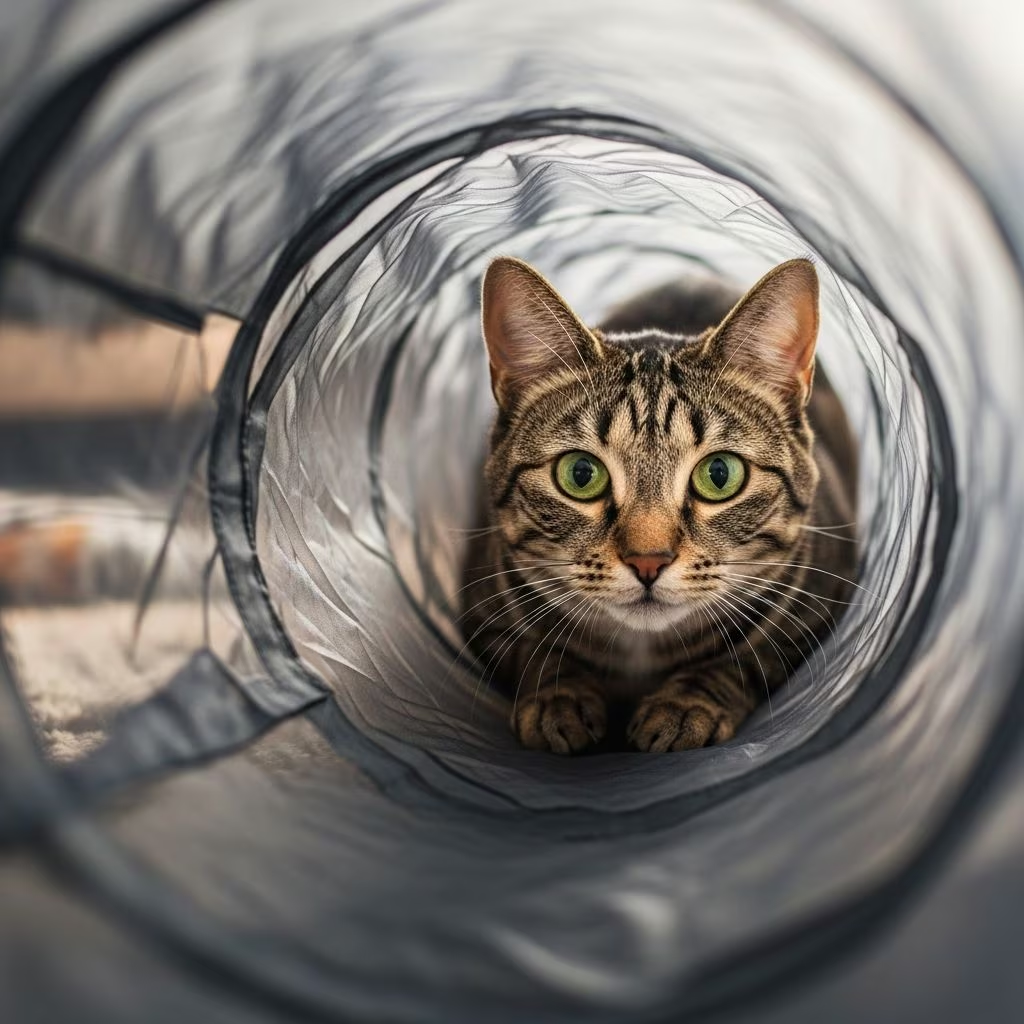
Why Do Cats Like Tunnels? Understanding Feline Fascination
Cats have always held a mysterious allure when it comes to enclosed spaces. Whether it’s a cardboard box, a closet, or a specially designed cat tunnel, our feline companions seem inexplicably drawn to these confined areas. The answer to why cats like tunnels lies deep within their instinctual behaviors and evolutionary history. Understanding this fascination not only explains your cat’s behavior but also highlights the importance of providing appropriate enrichment for your indoor pet.
Tunnels represent more than just a toy or play structure for cats—they serve as a bridge between their wild ancestry and their domestic life. By exploring the reasons behind this behavior, cat owners can better understand their pets’ needs and create environments that promote both physical and mental well-being. This comprehensive guide delves into the science, benefits, and practical aspects of cat tunnels.
The Natural Instinct: Why Cats Are Drawn to Enclosed Spaces
Born to Hide: Tunnels Appeal to a Cat’s Natural Instincts
While cats are skilled hunters, they are also small enough to be prey in the wild. That’s why they naturally seek enclosed, quiet, and hidden spaces to rest or observe their surroundings. In nature, wild cats often curl up in tree hollows, between rocks, or under dense shrubs to find safety and security. Tunnels mimic this kind of environment perfectly, providing the sense of security cats crave—a place where they can watch without being seen and feel shielded from potential threats.
This preference for enclosed spaces is so fundamental to feline nature that cats also love cardboard boxes, laundry baskets, and closets. These confined areas offer what experts call “defined boundaries,” which help cats feel safe and relaxed. Tunnels bring that same comfort with the added benefit of being portable and interactive, making them an ideal enrichment tool for indoor cats.
The concept of seeking enclosed spaces is rooted in a behavior known as thigmotaxis—the preference for being in contact with solid boundaries. This instinctive behavior provides cats with a sense of control and safety, particularly important in unfamiliar surroundings or multi-pet households.
Hunting and Predatory Behavior: Tunnels Enable Stealth and Strategy
Play Hunting: Tunnels Enable Stealth and Surprise Attacks
Cats are natural predators, and hunting is a complex behavior involving stalking, hiding, chasing, pouncing, and capturing. Tunnels enable cats to act out their full hunting routine, right from your living room. From inside the tunnel, cats can observe a “target” (a toy or another pet), wait patiently, then leap out in a lightning-fast attack.
This simulated hunting behavior serves multiple purposes. Research from the University of Bristol, conducted by Dr. John Bradshaw, reveals that enclosed spaces are ideal for stalking prey while remaining unseen, replicating the natural hunting scenarios cats experience in the wild. When cats engage in this behavior through tunnel play, they are satisfying deeply ingrained predatory instincts that remain strong even in domesticated animals.
The hunting simulation provided by tunnels is particularly valuable for indoor cats, who may otherwise lack appropriate outlets for these instincts. By providing tunnels, cat owners allow their pets to:
- Practice stalking and ambush techniques
- Engage in controlled predatory play
- Release natural hunting energy in an appropriate manner
- Develop and maintain hunting skills
Physical and Mental Enrichment Benefits
Exercise and Physical Activity Through Tunnel Play
Tunnels offer a fun and instinctual way to move, especially when they include multiple exits, curved paths, or attached toys. Running through, leaping out of, or playing chase with another cat around the tunnel engages their muscles and encourages cardio activity. Some tunnels even feature crinkle materials, dangling balls, or built-in bells to add variety and sensory stimulation, keeping cats entertained longer.
The physical activity involved in playing with tunnels contributes to weight management and helps prevent obesity-related health issues. For cats of all ages, regular tunnel play provides necessary exercise that supports overall fitness and health.
Mental Stimulation and Cognitive Engagement
The unpredictable nature of cat tunnels keeps your cat entertained and mentally engaged, preventing boredom and potential behavioral problems. These tunnels offer a variety of sensory experiences, such as different textures, sounds, and visual stimuli. They encourage exploration and problem-solving, which can help to keep your cat mentally active and engaged.
Cat tunnels also provide opportunities for hide-and-seek games, which can stimulate your cat’s hunting instincts. This not only provides mental stimulation but also helps to alleviate stress and anxiety. The act of navigating through the tunnel can also be physically stimulating, providing a multi-dimensional experience for your cat.
Research from the University of Lincoln, conducted by Dr. Sarah Ellis, demonstrates how interactive play with tunnels reduces stress-related behaviors in cats, leading to improved well-being.
Emotional Security and Stress Reduction
Personal Space Matters: Tunnels Offer a Safe Retreat
When cats are anxious, scared, or just want to be left alone, they instinctively seek out private spots. In a multi-pet household or new environment, a tunnel can serve as a personal “safe zone” for a nervous cat. This is particularly important for shy, anxious cats or those with behavioral issues who benefit greatly from having a secure space to retreat to.
Tunnels help with:
- Adapting to a new home
- Providing a stress-free area in multi-cat settings
- Offering refuge from loud noises, guests, or other animals
- Reducing anxiety during stressful situations
Cats are emotionally sensitive creatures. Having a place to hide when overstimulated helps them regulate their emotions and maintain a sense of control over their surroundings. Hiding helps cats conserve energy—by retreating to a hidden space, cats can rest and recharge without being disturbed. Hiding can also be a way for cats to cope with stressful situations. When they feel anxious or overwhelmed, cats often seek out a quiet and secluded spot where they can retreat and feel safe.
Territory and Social Bonding
Establishing Territory
Cats are territorial animals, and having their own designated space, like a cat tunnel, helps establish their personal territory. This sense of ownership and control is essential for feline well-being and confidence. By providing a tunnel, you give your cat a space that belongs to them—a sanctuary they can claim as their own.
Promoting Social Interaction
Interestingly, while cats are solitary animals, tunnels can also foster social bonding between cats living in the same household. As solitary animals, cats often experience territorial conflict. However, by providing tunnels as a shared play space, cats engage in positive interactions and build stronger relationships with each other. A cat tunnel can be used for interactive play with other cats or with you, strengthening the bond between you and your pet.
Health Benefits and Overall Well-Being
The benefits of cat tunnels extend beyond mere entertainment. Regular tunnel play contributes to comprehensive health improvements in several key areas:
| Health Benefit | How Tunnels Help |
|---|---|
| Weight Management | Provides active exercise that prevents obesity and maintains healthy body weight |
| Stress Reduction | Offers safe spaces for retreat and relaxation, reducing cortisol levels |
| Mental Health | Prevents boredom-related depression and anxiety through stimulation |
| Behavioral Health | Reduces destructive behaviors like furniture scratching and excessive meowing |
| Cardiovascular Fitness | Running and chasing through tunnels improves heart health and endurance |
| Age-Related Benefits | Keeps senior cats mentally engaged and physically active |
Without mental or physical stimulation, cats can become anxious or even depressed, leading to undesirable behaviors like scratching furniture or excessive vocalization. Cat tunnels provide an effective solution by offering multiple channels for physical activity, mental engagement, and emotional security.
Choosing the Right Tunnel for Your Cat
Tunnel Features to Consider
When selecting a cat tunnel, consider these important features:
- Multiple Exits: Provides escape routes and mimics natural tunnel systems
- Crinkle Materials: Creates sounds that stimulate auditory senses
- Attached Toys: Encourages interactive play and engagement
- Size and Design: Should accommodate your cat’s size and fit your living space
- Durability: Choose sturdy construction that withstands regular use
- Portability: Consider whether you want a collapsible tunnel for easy storage
For apartments where space is limited, tunnel beds are especially useful—you get the benefits of a hiding space combined with a comfortable resting area.
Different Types of Cats and Tunnel Benefits
For Shy and Anxious Cats
Cat tunnels are a great form of stress relief for shy cats or those with anxiety or behavioral issues. They provide a safe and stimulating environment for them to explore and play, helping them build confidence gradually.
For Senior Cats
Tunnel beds and cat tunnels can also benefit senior cats by promoting exercise and keeping them mentally engaged. Even older cats appreciate the stimulation and security these structures provide, helping them maintain quality of life.
For Active and Playful Cats
High-energy cats benefit tremendously from the physical exercise tunnels provide. The running, pouncing, and quick directional changes engaged during tunnel play help burn off excess energy and maintain fitness.
Frequently Asked Questions
Q: Are cat tunnels suitable for all ages of cats?
A: Yes, cat tunnels benefit cats of various ages. Kittens enjoy the playful exploration, adult cats engage in hunting simulations and exercise, and senior cats appreciate the mental stimulation and comfortable hiding spaces without strenuous activity.
Q: How often should cats play in tunnels?
A: Cats should have regular access to tunnels. Interactive play sessions of 10-15 minutes, several times daily, are ideal. However, leaving tunnels accessible allows cats to use them at their own discretion for resting and security.
Q: Can cat tunnels help with aggressive behavior?
A: Yes, tunnels provide controlled outlets for predatory instincts and help release pent-up energy, which can reduce aggressive tendencies. They also provide separate territories for multiple cats, reducing conflict.
Q: Do indoor cats really need tunnels?
A: Indoor cats particularly benefit from tunnels because they lack natural opportunities to hunt, hide, and explore as they would outdoors. Tunnels provide essential enrichment for their physical and mental health.
Q: What should I do if my cat doesn’t seem interested in the tunnel?
A: Try placing toys, treats, or catnip inside the tunnel to encourage exploration. Some cats need time to become comfortable with new structures. Consider placing it in a familiar, comfortable location where your cat already spends time.
Q: Are tunnels better than other enrichment toys?
A: Tunnels are particularly effective because they address multiple cat needs—hunting, hiding, exercise, and security—all in one structure. They work well as part of a comprehensive enrichment strategy alongside other toys and climbing structures.
Creating a Comprehensive Enrichment Environment
While cat tunnels are excellent enrichment tools, they work best as part of a comprehensive environment that supports your cat’s overall well-being. Combining tunnels with cat trees, climbing shelves, interactive toys, and window perches creates a stimulating space that keeps indoor cats mentally and physically engaged.
The key is understanding that your cat’s needs go beyond basic food and shelter. They require opportunities to express their natural behaviors, maintain physical fitness, and experience psychological security. Cat tunnels directly address these fundamental requirements, making them an invaluable addition to any indoor cat’s environment.
By investing in quality enrichment tools like cat tunnels, you’re not just providing entertainment—you’re contributing to your cat’s long-term health, happiness, and behavioral well-being. Your feline friend will thank you with purrs, playful antics, and a more relaxed, content demeanor.
References
- Why Cats Love Tunnel Toys — Petfection Corner. 2025. https://www.petfectioncorner.com.au/blogs/news/why-cats-love-tunnel-toys
- Are cat tunnels good for cats? — Purely Pets Insurance. 2025. https://www.purelypetsinsurance.co.uk/blogs/are-cat-tunnels-good-for-cats/
- The Science Behind Cats’ Love for Tunnels: Unraveling the Feline Fascination — DLM Brasil. 2025. https://www.dlm.com.br/the-science-behind-cats-love-for-tunnels-unraveling-the-feline-fascination/
- The Science Behind Cats’ Love for Tunnels: Unraveling the Feline Fascination — Furtent. 2025. https://www.furtent.com/The-Science-Behind-Cats-Love-for-Tunnels-Unraveling-the-Feline-Fascination
- Enriching Indoor Cats’ Lives: The Hidden Benefits of Catios — Cat Topia. 2025. https://www.thecattopia.com/blog/enriching-indoor-cats-lives-the-hidden-benefits-of-catios/



