

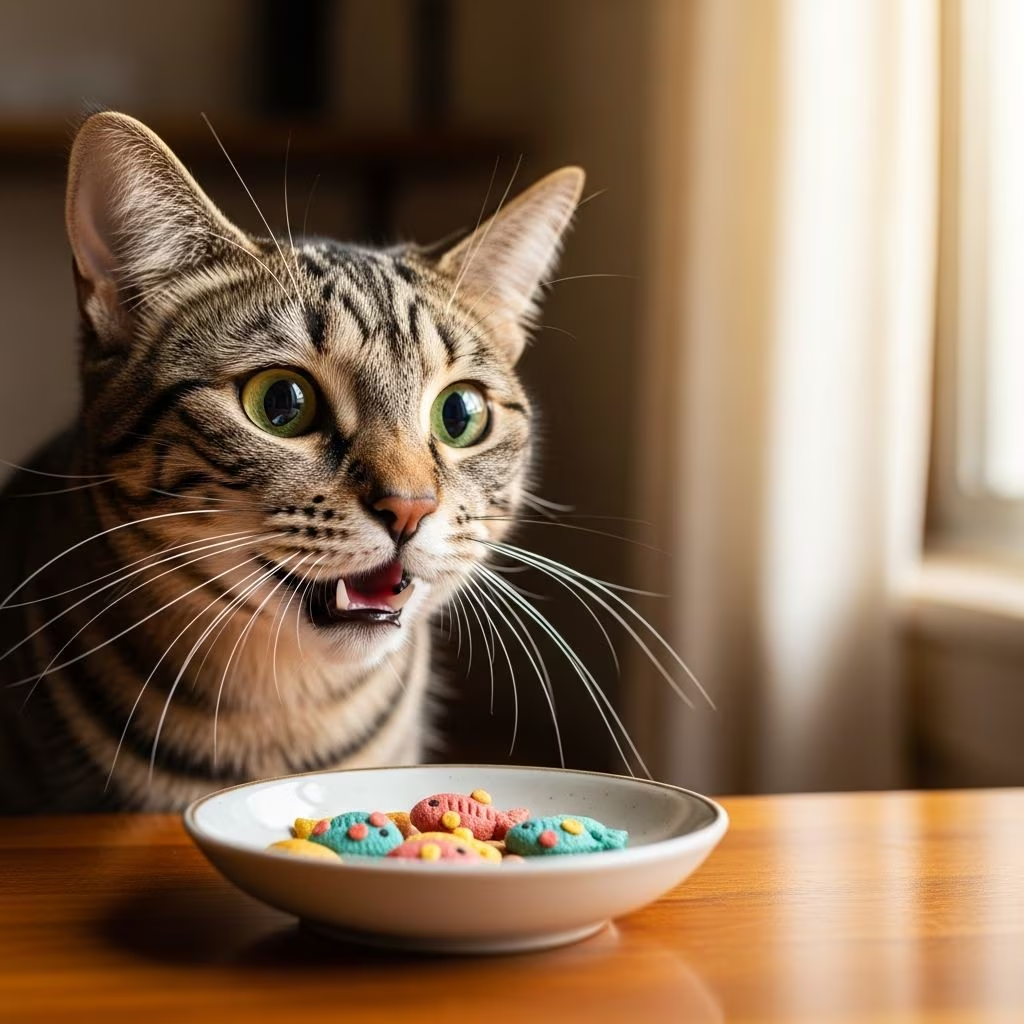
Cats’ intense love for treats stems from their evolutionary biology as obligate carnivores, heightened taste preferences for meaty flavors, and the psychological rewards associated with these snacks. Understanding this obsession helps cat owners provide treats that are both enjoyable and beneficial for health.
Why Do Cats Like Treats So Much?
Cats are wired to seek out high-protein, meat-based rewards due to their status as obligate carnivores, meaning they derive essential nutrients like taurine and amino acids primarily from animal sources. Treats mimic the taste and texture of prey, triggering strong instinctual responses that make them irresistible. This preference is amplified by their superior sense of smell and taste buds attuned to umami flavors prevalent in proteins such as chicken, turkey, beef, and fish.
From a behavioral standpoint, treats serve as powerful motivators during training or bonding, releasing dopamine in the brain for positive reinforcement. However, this affinity can lead to overconsumption if not managed, as many commercial treats exceed 10% of daily caloric needs, potentially causing obesity or nutritional imbalances.
Cats Are Obligate Carnivores
As obligate carnivores, cats require the majority of their diet—about 50-60%—to come from animal protein to thrive, with fats at 25-35% and carbs under 15%. Unlike dogs or humans, cats cannot efficiently convert plant proteins into essential amino acids like taurine, arginine, leucine, and lysine, which are vital for heart health, vision, immune function, and muscle maintenance.
- Chicken: Rich in leucine and lysine for immune and respiratory support, plus B vitamins, selenium, and potassium.
- Turkey: Top source of taurine and arginine for cardiovascular and eye health, with vitamin D and magnesium.
- Beef: Balances amino acids with high iron, choline, and B12 for bone and nerve health.
- Fish: Provides omega-3s, vitamin A, calcium, and copper for anti-inflammatory benefits and coat health.
Treats made from these proteins fulfill innate cravings while delivering complete nutrition, unlike grain-filled alternatives that offer empty calories.
The Science Behind Cats’ Love for Treats
Cats possess around 470 taste buds compared to humans’ 9,000, but their senses prioritize smell—14 times stronger than ours—detecting volatile compounds in meaty treats. Umami receptors make protein-rich treats especially appealing, evoking the flavor of fresh kills. Textures like crunchiness or moisture also play a role; wet treats aid hydration, crucial for urinary health, while dry ones support dental hygiene by reducing plaque.
Neurologically, treats activate the brain’s reward centers, similar to how humans enjoy sweets, fostering habit formation. This is why treats excel in training: a small reward reinforces behaviors like using a litter box or coming when called.
Are Cat Treats Healthy?
Not all treats are created equal; many commercial options contain fillers, artificial additives, and excess carbs that disrupt a cat’s carnivorous balance, leading to weight gain, allergies, or digestive issues. Healthy treats, however, provide targeted benefits when limited to 10% of daily calories (e.g., 20 calories for a 200-calorie diet).
| Benefit | How Natural Treats Help | Key Ingredients |
|---|---|---|
| Improved Digestion | Supports gut health with prebiotics and moisture | Pumpkin, salmon |
| Skin & Coat Health | Omega-3s reduce itching, promote shine | Fish oil, real meat |
| Weight Management | Low-cal, high-protein options prevent obesity | Freeze-dried meats |
| Dental Health | Crunchy textures scrape tartar | Air-dried bones |
| Immunity & Joints | Antioxidants, taurine boost wellness | Blueberries, taurine-rich turkey |
Functional treats with taurine, omega fatty acids, or probiotics address specific needs like joint care or immunity without altering main meals.
How Many Treats Should You Give Your Cat?
Veterinarians recommend treats comprise no more than 10% of daily intake to avoid nutritional gaps, as most lack complete balancing. For an average 8-10 lb cat needing 200 calories daily, limit to 10-20 calories from treats—about 3-5 small pieces, depending on size.
- Adjust for age: Kittens and active adults tolerate more; seniors need fewer due to lower metabolism.
- Monitor weight: Reduce if belly overhangs hind legs or ribs are hard to feel.
- Account for all snacks: toppers, human food scraps count toward the 10% limit.
Overfeeding risks obesity, diabetes, and hepatic lipidosis; consult a vet for personalized caloric needs.
Why Natural Cat Treats Are Better
Natural treats prioritize real meat with minimal processing, avoiding grains, preservatives, and fillers that cause sensitivities. Freeze-drying preserves nutrients like vitamins and omega-3s, offering superior digestibility and bioavailability compared to baked or extruded treats.
Benefits include better energy, reduced allergies, and holistic support via ingredients like catnip for calming or pumpkin for fiber. In multi-pet homes, cat-safe natural options prevent sharing toxic dog treats lacking taurine.
Homemade Cat Treat Recipes
DIY treats ensure quality control with fresh, simple ingredients. Always bake thoroughly to kill bacteria and store properly.
Baked Chicken Bites
Blend 1 cup shredded chicken, 1 egg, and 1 tsp catnip. Form into bites, bake at 350°F for 15-20 minutes. High-protein, easy to digest.
Salmon Pumpkin Puree
Mix ½ cup cooked salmon with ¼ cup pumpkin puree. Serve soft portions; omega-3s aid skin, fiber supports digestion.
Freeze-Dried Meat Cubes (Oven Method)
Cut raw turkey or beef into cubes, dehydrate at 165°F for 6-8 hours. Retains max nutrients, long shelf life.
Tuna Egg Mash
Mash water-packed tuna with a boiled egg yolk. Taurine boost for heart health; limit to occasional use due to mercury concerns.
These recipes align with obligate carnivore needs, providing variety without additives.
Can Cats Eat Dog Treats?
Dog treats often lack sufficient taurine and contain grains or toxins like garlic/onions harmful to cats. While some high-protein, grain-free dog treats might be safe in emergencies, they rarely meet feline nutritional profiles. Prioritize cat-specific products to avoid deficiencies in essential amino acids or excess carbs leading to health issues.
Frequently Asked Questions (FAQs)
Why are cats obsessed with treats?
Cats crave treats due to their carnivorous instincts, umami taste preferences, and reward-based brain chemistry that associates them with hunting success.
Are treats good for cats?
Yes, when limited to 10% of calories and chosen as natural, protein-rich options; they support training, dental health, and targeted nutrition.
What are healthy treats for cats?
Opt for single-ingredient meats like freeze-dried chicken, turkey, or fish, free of grains, fillers, and artificial additives.
How many treats can I give my cat per day?
No more than 10% of daily calories—typically 3-5 small treats for an average adult cat.
Can treats replace cat food?
No, treats are incomplete; 90% of diet must be balanced complete food to ensure all nutrients.
Are wet cat treats better?
Wet treats promote hydration, ease digestion for seniors, and deliver moisture crucial for kidney health.
By selecting treats wisely, you satisfy your cat’s passions while safeguarding their health as true obligate carnivores.
References
- Obligate your Obligate Carnivores with Farm to Pet’s Healthy Cat Treats — Farm to Pet Treats. Accessed 2026. https://farmtopettreats.com/blogs/word-on-the-treats/healthy-treats-for-cats-obligate-carnivores
- Natural Cat Treats: Why They’re Better for Your Feline’s Health — Remy’s K9 Kitchen. Accessed 2026. https://remysk9kitchen.com/natural-cat-treats-why-theyre-better-for-your-felines-health/
- Switching to Natural Cat Treats: A Simple Step Towards Better Pet Health — Whole Life Pet. Accessed 2026. https://wholelifepet.com/blogs/blog/switching-to-natural-cat-treats-a-simple-step-towards-better-pet-health
- Healthy Benefits of Natural Dog and Cat Treats — Piggyback Treats. Accessed 2026. https://www.piggybacktreats.com/post/healthy-benefits-of-natural-dog-and-cat-treats
- How to Use Cat Treats for Training — Heads Up For Tails. Accessed 2026. https://headsupfortails.com/blogs/cats/how-to-use-cat-treats-for-training
- Cat Treats — VCA Animal Hospitals. Accessed 2026. https://vcahospitals.com/know-your-pet/cat-treats
- More Than a Snack: 5 Hidden Benefits of Healthy Cat Treats — Birdie and Louie. Accessed 2026. https://birdieandlouie.com/blogs/news/more-than-a-snack-5-hidden-health-benefits-of-cat-treats



