

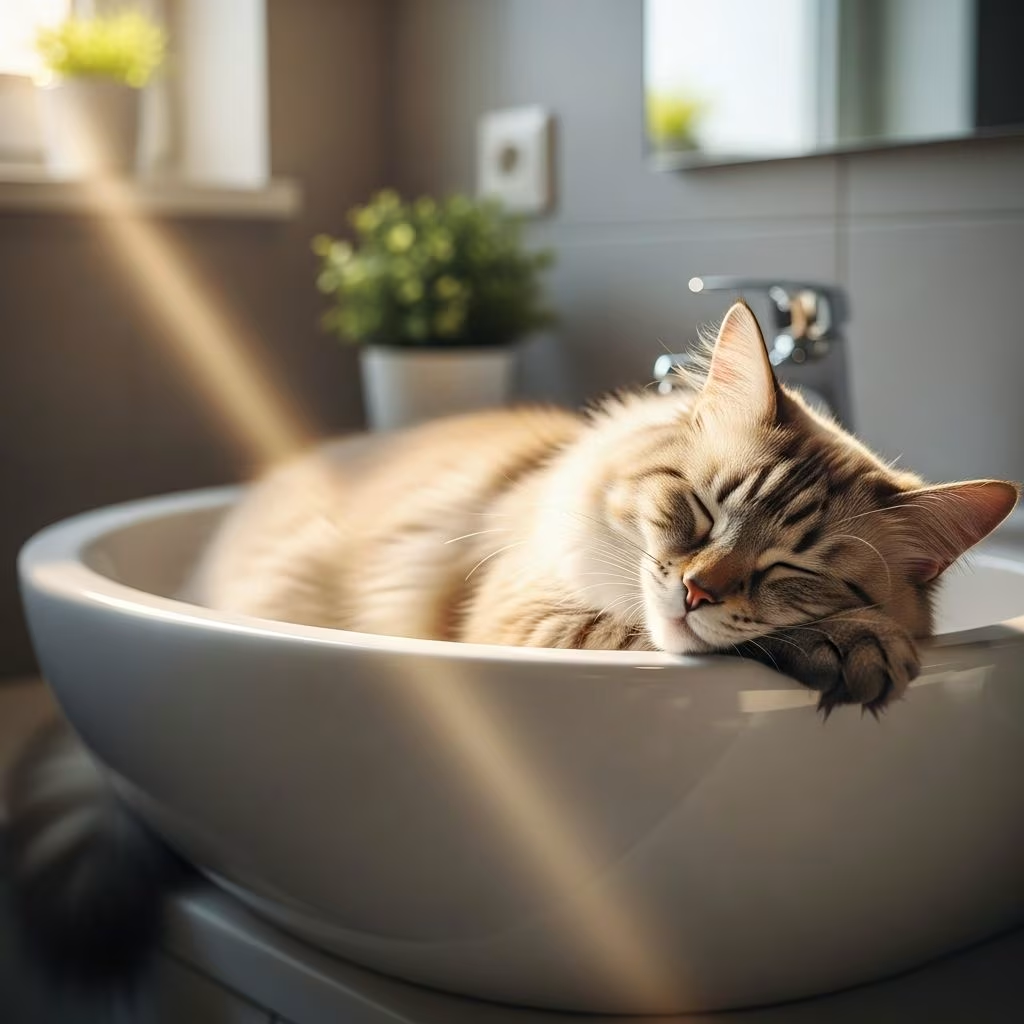
Cats often choose unexpected sleeping spots, and bathroom or kitchen sinks rank high among their favorites. This quirky behavior stems from a combination of instinctual needs for comfort, temperature regulation, security, and sensory appeal, making sinks an ideal feline retreat.
The Sink’s Perfect Shape Feels Like a Cozy Cat Bed
Sinks provide a naturally curved, enclosed basin that perfectly cradles a cat’s body, mimicking the snug dens wild cats seek for safety. The rounded edges create a nest-like structure where cats can curl up securely, feeling supported and protected on all sides. This shape offers containment without confinement, allowing cats to relax fully while maintaining a sense of enclosure.
Many cat beds are designed with similar contours, but sinks add an element of novelty and firmness that appeals to felines. Cats instinctively gravitate toward spaces that fit their body size precisely, promoting a feeling of safety akin to burrowing in the wild.
The Cool Surface Helps Cats Stay Comfortable
Porcelain, ceramic, or stainless steel sinks remain cool to the touch, even in warm environments, providing essential relief for overheating cats. Felines, with their thick fur coats, struggle to dissipate heat effectively and actively seek chilled surfaces to lie on during hot weather or when indoor temperatures rise.
Unlike fabric beds or blankets that trap warmth, a sink’s hard, smooth surface draws heat away from the body, offering instant cooling. This is particularly appealing in summer or heated homes, where bathrooms often stay cooler due to tile floors and ventilation.
Quiet, Private Spot Away from Household Activity
Bathroom and kitchen sinks are typically located in relatively secluded areas, shielded from the chaos of family life, pets, or children. Cats, as both predators and prey in the wild, prefer undisturbed napping spots where they can rest without interruptions or perceived threats.
The sink’s position allows cats to observe their surroundings discreetly while remaining hidden, combining privacy with vigilance. This low-stimulation environment promotes deeper sleep cycles, essential for cats who sleep up to 16 hours a day.
Proximity to Running Water Is Appealing
Cats are naturally drawn to moving water, preferring it over stagnant bowls due to ancestral instincts that associate flowing sources with freshness and safety. A sink’s faucet offers easy access to drips or streams, allowing cats to hydrate without fully waking from their nap.
The gentle sound of dripping water acts as soothing white noise, further enhancing the sink’s appeal as a relaxation hub. This fascination explains why cats often paw at faucets or wait patiently for a trickle.
Familiar Scents Comfort Cats
Sinks in bathrooms and kitchens carry human scents from daily routines like handwashing, teeth brushing, or dish cleaning. Cats rely heavily on smell for emotional security, and these familiar odors reassure them of their owner’s presence, even when alone.
This olfactory comfort reduces separation anxiety, turning the sink into a proxy for bonding. The scents blend with the cat’s own, creating a personalized territory marker that feels safe and homely.
Cats’ Natural Curiosity Leads Them to Explore Sinks
Felines are innate explorers, drawn to novel spaces like sinks behind often-closed doors. Once discovered, the combination of comfort and stimulation makes it a repeated choice, satisfying their need for mental engagement alongside rest.
Curiosity drives cats to test boundaries, and a sink’s smooth texture and reflective surface add sensory intrigue, reinforcing its status as a prime spot.
The Slight Enclosure Makes Cats Feel Secure
The sink’s partial walls provide ideal security—enclosed enough to hide but open for quick escape. This balance caters to cats’ dual instincts: hiding from danger while staying alert to opportunities.
Unlike fully open floors, the enclosure simulates natural hideouts like rock crevices or burrows, fostering relaxation without vulnerability.
Elevated Viewpoints Are Attractive
Countertop sinks offer a raised perch, giving cats a strategic overlook of their territory. From this vantage, they monitor activity below while remaining partially concealed, satisfying predatory surveillance instincts.
This ‘cat’s-eye view’ enhances feelings of control and safety, making the sink superior to ground-level beds.
Habit and Routine Reinforce Sink Sleeping
Cats thrive on routines; positive experiences in the sink—coolness, comfort, views—cement it as a habitual nap site. Over time, this becomes ingrained, with cats returning reliably for rest.
Breaking the habit requires gentle redirection, as forcing change can cause stress.
Safety Tips for Sink Sleeping Cats
While harmless for most cats, sink sleeping warrants precautions to protect your pet:
- Remove sharp objects like razors, soaps, or brushes from the vicinity to prevent injury.
- Store cleaning chemicals securely away, as cats may knock them over or ingest residues.
- Avoid accidental faucet activation by checking knobs or using covers; sudden water can startle or drown a cat.
- Keep toilet lids closed to deter further bathroom exploration and potential falls.
- Ensure no small items can be swallowed during play.
Regularly clean the sink to minimize bacteria, especially if your cat drinks from it.
How Do I Stop My Cat From Sleeping in the Sink?
If sink naps inconvenience you, try these humane strategies:
- Close bathroom doors to limit access, providing alternative cool, enclosed spots elsewhere.
- Offer sink-shaped cat beds or cooling mats to mimic the appeal.
- Use positive reinforcement: praise and treat for using approved beds.
- Discourage gently by blocking the sink temporarily with a soft barrier.
Avoid punishment, as it erodes trust; patience redirects instincts effectively.
Should I Be Worried if My Cat Hangs Out in the Sink?
Typically benign, excessive sink time may signal issues like constant thirst from diabetes or kidney disease—watch for increased drinking/urination and consult a vet. Overheating or stress could also drive the behavior; ensure ample cool alternatives.
Frequently Asked Questions
Why is my cat obsessed with the sink water?
Cats prefer running water for its freshness and safety, avoiding stagnant bowls that may seem contaminated. Tap water often tastes better, and the flow triggers instincts.
Is it normal for cats to sit in the sink?
Yes, it’s a common, healthy habit driven by cooling, security, quiet, and water access.
Why do cats sleep in bathrooms?
Bathrooms offer cool tiles, privacy, litter proximity, and elevated sinks for views—ideal for rest.
Can sink sleeping harm my cat?
Rarely, if the area is safe; monitor for health signs and secure hazards.
Conclusion: Embrace Your Cat’s Unique Sleep Spots
Sink sleeping reveals cats’ clever adaptation of human spaces to meet instinctual needs. Far from odd, it’s a testament to their resourcefulness—celebrate it with safe provisions and alternatives.
References
- Why Do Cats Like to Sleep in Sinks? — Gotham City Cat Care. 2023. https://gothamcitycatcare.com/why-do-cats-like-to-sleep-in-sinks/
- Why Cats Sleep in Bathrooms — Cat Tales, Columbian Blog Directory. 2024-05-08. https://blogs.columbian.com/cat-tales/2024/05/08/why-cats-sleep-in-bathrooms/
- Why Is My Cat Obsessed With the Sink? 6 Reasons Why — Cats.com. 2023. https://cats.com/why-is-my-cat-obsessed-with-the-sink



