

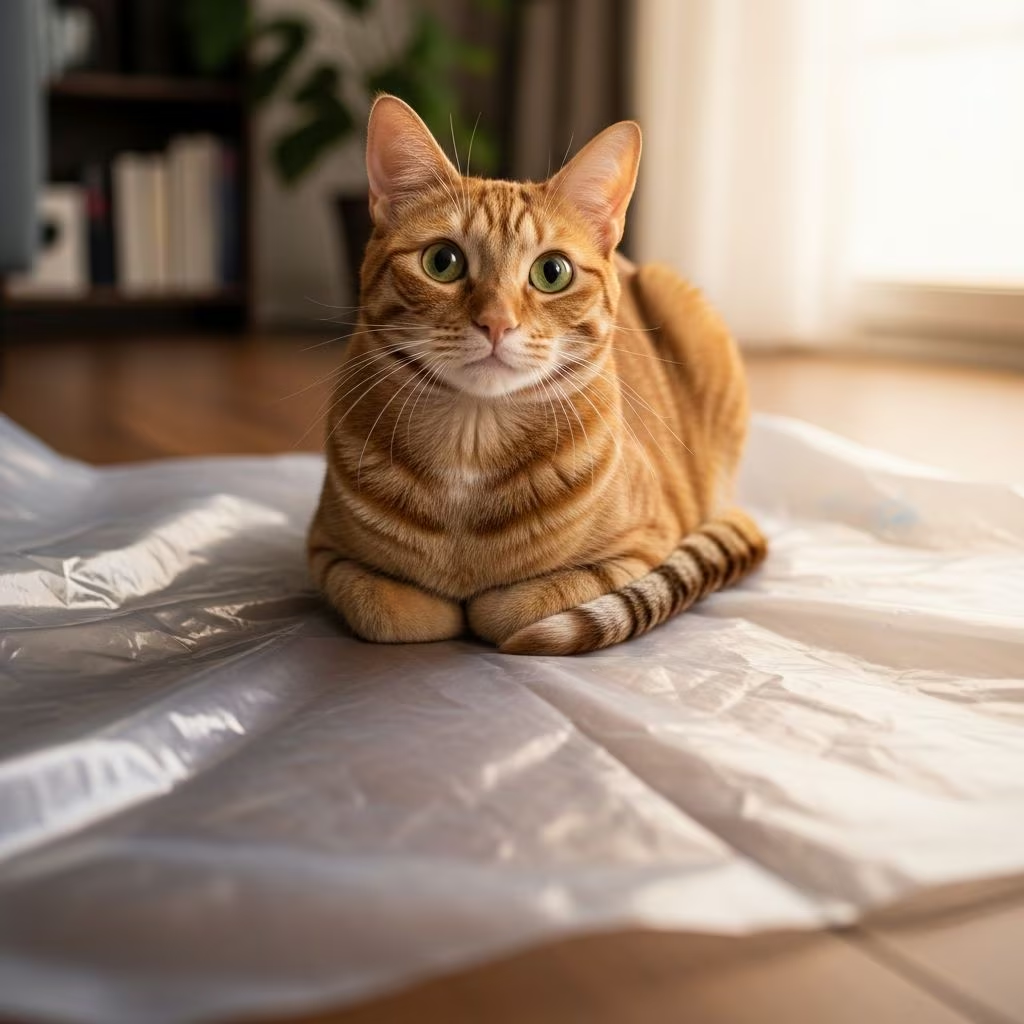
Cats have an inexplicable fascination with plastic bags, often plopping down right in the middle of them despite their crinkly discomfort for humans. This quirky behavior stems from a combination of sensory stimulation, instinctual drives, and environmental factors that make plastic bags irresistibly appealing to felines.
The Crinkle Factor: Why the Sound Captivates Cats
One primary reason cats are drawn to plastic bags is the distinctive crinkling sound they produce. This noise mimics the rustling of leaves, grass, or small prey scurrying through underbrush, triggering a cat’s innate hunting instincts. Cats are natural predators, and sounds resembling potential quarry activate their play-hunt response, making bags an instant toy.
Beyond mere sound, the crinkle provides auditory enrichment. Indoor cats, lacking access to natural environments, seek out these stimuli to satisfy mental needs. Studies on feline sensory preferences indicate that novel sounds enhance engagement and reduce stress. Owners report cats batting at bags or sitting on them to amplify the noise, turning a simple grocery sack into an interactive playground.
To safely replicate this, offer crinkle toys designed for cats, often infused with catnip for added allure. These alternatives prevent hazards while fulfilling the sensory itch.
Leftover Food Smells: A Tasty Trail for Sensitive Noses
Plastic bags readily absorb odors from their contents, especially groceries like meat, fish, or treats. Cats possess an acute sense of smell—14 times stronger than humans—allowing them to detect faint food residues long after unpacking. A bag that held rotisserie chicken becomes a scent beacon, compelling your cat to investigate by sitting, rubbing, or licking.
This behavior ties into their carnivorous nature; even trace animal proteins trigger salivation and interest. Porous plastic traps these volatiles effectively, unlike smoother surfaces. Veterinary insights note that scent-driven attraction explains much of the obsession, particularly post-shopping.
- Grocery bags: Retain meat/fish odors.
- Takeout containers: Carry savory remnants.
- Pet food bags: Impregnated with kibble aromas.
Store bags sealed to minimize appeal, redirecting cats to scented toys mimicking these smells.
Flavorful Materials in Plastic: An Unexpected Treat
Many plastic bags incorporate additives like stearates from animal fats, fish oils, or cornstarch for manufacturing. These impart subtle flavors appealing to cats’ palates, explaining licking or chewing alongside sitting. Biodegradable variants use corn starch or gelatin—animal-derived—enhancing the ‘tasty’ factor for obligate carnivores.
Catster experts highlight how these treatments prevent sticking, inadvertently creating a lure. A cat sitting on a bag may transition to nuzzling or tasting, driven by chemosensory cues. This isn’t mere quirk; it’s evolutionary—cats seek high-fat, protein sources.
| Plastic Additive | Source | Appeal to Cats |
|---|---|---|
| Stearates | Animal fat/tallow | Fatty, meat-like taste |
| Fish oils/scales | Marine byproducts | Fishy aroma/flavor |
| Cornstarch | Plant-based | Starchy novelty |
While intriguing, ingestion risks toxicity or obstruction; opt for edible chews instead.
Boredom and Need for Stimulation: Seeking Novelty
Boredom drives many indoor cats to plastic bags as a novel stimulus. Intelligent felines require daily mental and physical enrichment; without it, they improvise with household items. Sitting on bags offers texture contrast, movement, and unpredictability.
Sources emphasize providing toys, puzzles, and play sessions. Catnip toys, feather wands, or automated lasers combat ennui. Environmental changes like scratching posts or window perches also help. Bored cats exhibit ‘zoomies’ or destructive habits; bags are a safe(ish) outlet until risks emerge.
Texture and Temperature: Cool Comfort Appeal
Plastic bags offer a smooth, cool surface ideal for lounging, especially in warm weather. Cats thermoregulate by seeking cooler spots; bags on floors provide this. The slight give under weight adds comfort, akin to a primitive bed.
Additionally, texture soothes gums during teething or dental issues. Licking provides oral satisfaction, per pica discussions.
Potential Health Issues: When It’s More Than Fun
Not all bag obsession is benign. Pica—compulsive non-food eating—may underlie chewing/sitting, linked to nutritional deficiencies, anemia, or stress. Early weaning exacerbates oral fixations.
- Dietary gaps: Low protein prompts seeking alternatives.
- Medical: Nausea from illness increases odd cravings.
- Stress: Changes like moves trigger comfort-seeking.
Monitor for weight loss, vomiting, or lethargy; consult vets if persistent.
The Dangers of Plastic Bags for Cats
Plastic poses severe risks: suffocation from bags over heads, choking on pieces, intestinal blockages, and chemical toxicity. Non-digestible material causes obstructions needing surgery.
Statistics from vet reports show plastic foreign bodies common in emergencies. Supervise play; discard bags promptly.
Safe Alternatives to Keep Your Cat Happy
Redirect with cat-safe options:
- Crinkle toys with catnip.
- Scented fabric mats.
- Puzzle feeders for mental stimulation.
- Cardboard scratchers mimicking texture.
- Interactive lasers or wands.
Reusable totes reduce exposure. Enrich environments daily.
Frequently Asked Questions (FAQs)
Why do cats sit on plastic bags specifically?
The crinkle sound mimics prey, scents linger, and additives taste appealing, combining sensory delights.
Is it dangerous for cats to play with plastic bags?
Yes—risks include suffocation, choking, blockages, and toxins. Provide alternatives.
How can I stop my cat from obsessing over plastic bags?
Store bags away, offer crinkle toys, increase playtime, and enrich the environment.
Does pica cause plastic bag fascination?
Pica can contribute via compulsive chewing, often from diet issues or stress.
Are some cats more prone to this behavior?
Indoor, bored, or young cats; those with sensory needs or early weaning.
This comprehensive guide, drawing from feline behavior insights, empowers owners to understand and safely manage this adorable yet risky habit. (Word count: 1678)
References
- Why Are Some Cats Obsessed With Plastic? — Meowingtons. 2023-05-15. https://www.meowingtons.com/blogs/lolcats/why-are-some-cats-obsessed-with-plastic
- What It Means When Your Cat Licks Plastic or Plastic Bags — WOpet. 2024-02-20. https://wopet.com/cats/what-it-means-when-your-cat-licks-plastic-or-plastic-bags/
- Why Does My Cat Chew on Plastic? — PrettyLitter. 2023-11-10. https://www.prettylitter.com/blog/why-does-my-cat-eat-plastic



