

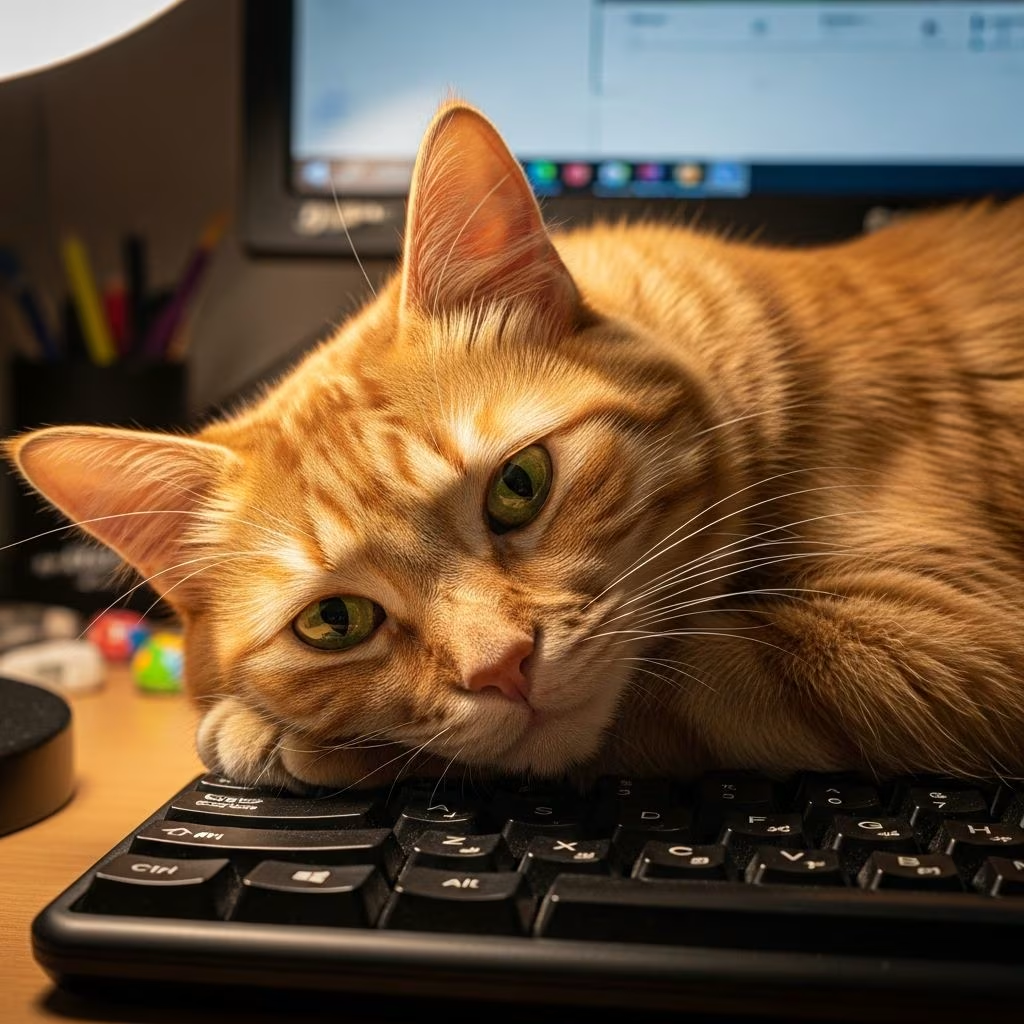
Cats have an uncanny ability to appear exactly when you’re trying to work, planting themselves squarely on your keyboard. This behavior frustrates many cat owners, but understanding the reasons behind it can help you manage it effectively. The primary drivers include the keyboard’s warmth, your undivided attention on it, and its prime location for napping near you. Vet-reviewed insights reveal five key reasons, along with strategies to redirect your cat’s focus.
The 5 Possible Reasons Why Cats Like to Sit on Keyboards
From coziness to playful instincts, cats find keyboards irresistible for multiple reasons rooted in their biology and bond with you. Here’s a breakdown:
1. Coziness and Warmth
Keyboards generate heat from electronics beneath the keys, creating a toasty surface that cats crave. Felines have a higher body temperature preference (around 101.5°F or 38.6°C) than humans, making warm spots like laptops or desktops prime real estate. Although it may not seem comfortable to us, cats knead and curl up happily, absorbing the gentle warmth for hours.
Behavior experts note that this thermotaxis—attraction to heat—is instinctual. Laptops on laps combine your body heat with device warmth, amplifying the appeal. Cats often purr contentedly, fully relaxed in this cozy haven.
2. Attention
When you’re typing away, your focus shifts entirely to the screen and keys, leaving your cat feeling sidelined. Jealousy kicks in—not maliciously, but as a bid for interaction. By plopping on the keyboard, they block your view and force engagement, whether through petting, scolding, or relocation.
Animal behaviorist Amy Shojai explains cats “literally push your buttons” to reclaim your attention, viewing the device as a rival. This is especially common in single-cat homes or with work-from-home schedules, where routine human focus triggers their social needs.
3. Perfect Cat Nap Spot
Keyboards offer the trifecta: warmth, your scent from proximity, and safety between you and the world. Laptops on laps smell like their favorite human, making it an ideal nap zone. Cats may also mark it with cheek rubs or scent glands to claim ownership, signaling “this lap (and keyboard) is mine.”
Arden Moore, pet behavior consultant, describes it as the “perfect spot”—smack between you and the monitor, elevated and secure. Naps here reinforce the habit, as cats associate it with comfort and bonding.
4. Hunting Instincts and Playing
Your typing fingers dart across keys like prey, triggering a cat’s predatory drive. The rapid cursor movement on screen mimics chasing rodents or birds, turning your workspace into an interactive game. Cats stalk quietly, then pounce, batting at keys for the thrill.
This prey drive is hardwired; cats are both hunters and those observed by predators, so your concentrated stare and stillness mimic hunting posture, inviting playful ambush. It’s entertainment disguised as mischief.
5. Curiosity and Copycat Behavior
Cats are observant mimics, learning by watching you. They see you intently focused on the glowing screen with moving images and may investigate, pawing keys to “participate.” Curiosity about the beeps, clicks, and changing visuals draws them in, especially if they’ve seen you react to on-screen action.
Routine plays a role too—your coffee-and-computer ritual cues them to join. This observational learning makes keyboards a hub of fascinating activity.
How Can You Stop Cats from Sitting on Keyboards?
While endearing, this habit disrupts work, sheds fur into keys, and risks data errors or device damage. Positive redirection works best over punishment, which can increase stress. Here are effective, vet-approved strategies:
Create a Cozy Lounge Area
Mimic the keyboard’s appeal nearby: place a heated cat bed, blanket, or lap warmer on your desk or adjacent chair. Cat trees, hammocks, or window perches with heating pads draw them away while keeping them close. Scent it with your worn clothing to enhance familiarity.
Pro Tip: Position it at lap height if using a laptop, ensuring it’s warmer and softer than the keys.
Use Distractions and Play
Preemptive play sessions (10-15 minutes) tire cats out before work. Toys like feather wands, laser pointers, or treat puzzles satisfy hunting urges. During work, offer puzzle feeders, crinkle tunnels, or window bird feeders for independent entertainment.
- Interactive toys: Wand toys for pouncing practice.
- Self-play: Balls in a track or solar-powered mouse.
- Treats: Frozen kibble in ice cube trays for slow dispensing.
Ignore the Behavior
Attention fuels the cycle, even negative. Gently place your cat elsewhere without eye contact, talking, or petting—then resume work. Consistency teaches that keyboards yield no reward. After a few ignored attempts, they’ll seek alternatives.
Combine with rewards: Praise and treats lavishly when they choose their own spot.
Physical Barriers and Tech Solutions
For persistent cats, use keyboard covers, lap desks with barriers, or elevated stands. Apps like keyboard lockers (e.g., Windows on-screen keyboard) prevent mishaps. Clear the desk of temptations and maintain a cool workspace to reduce heat appeal.
| Method | Pros | Cons | Best For |
|---|---|---|---|
| Heated Bed | Meets warmth needs | Initial cost | Nappers |
| Play Sessions | Exercises fully | Time investment | Playful cats |
| Ignoring | No tools needed | Requires patience | Attention-seekers |
| Barriers | Immediate block | Less cozy solution | Stubborn cases |
Frequently Asked Questions (FAQs)
Is it harmful for cats to sit on keyboards?
Generally no, but watch for overheating risks on laptops or ingestion of small debris. Fur buildup requires regular cleaning to avoid allergies or infections.
Why does my cat only do this at night?
Nocturnal by nature, cats are crepuscular (active dawn/dusk). Night work aligns with their peak energy, amplifying attention-seeking or play.
What if my cat ignores alternatives?
Persist with consistency; make alternatives more enticing with catnip or warmth. Consult a vet for underlying issues like boredom or anxiety.
Do all cats do this?
Most, but personality varies. Confident, bonded cats are most prone; shy ones may avoid high-activity zones.
Can training stop it completely?
Not always—instincts persist—but management reduces frequency by 80-90% with routine.
Conclusion
Cats claim keyboards for their warmth, your attention, napping perfection, playful hunts, and sheer curiosity. Rather than frustration, view it as a compliment to your bond. By providing superior alternatives, play, and consistency, you create harmony: productive work for you, contentment for kitty. These vet-backed insights empower cat parents everywhere to reclaim their desks without guilt.
References
- Why Do Cats Like to Sit on Keyboards? 5 Vet-Reviewed Reasons — Catster. 2023. https://www.catster.com/cat-behavior/why-do-cats-like-to-sit-on-keyboards/
- Animal behaviorist outlines peculiar reasons your cat loves to sit on keyboard — Upworthy. 2024-05-15. https://snuggle.upworthy.com/animal-behaviorist-outlines-peculiar-reasons-your-cat-loves-to-sit-on-keyboard-other-than-its-warmth
- Cats on Keyboards: Why They Love Them (and What You Can Do) — PetMD. 2023-11-20. https://www.petmd.com/cats-keyboards-why-they-love-them-and-what-you-can-do
- Why Do Cats Like To Walk & Sit on Keyboards as Much as They Do? — Cats.com. 2024. https://cats.com/why-do-cats-like-to-walk-sit-on-keyboards



